
Key answer
Explore gum disease treatment options including scaling and root planing, antibiotics, flap surgery, and bone grafts. Learn what to expect at each stage.
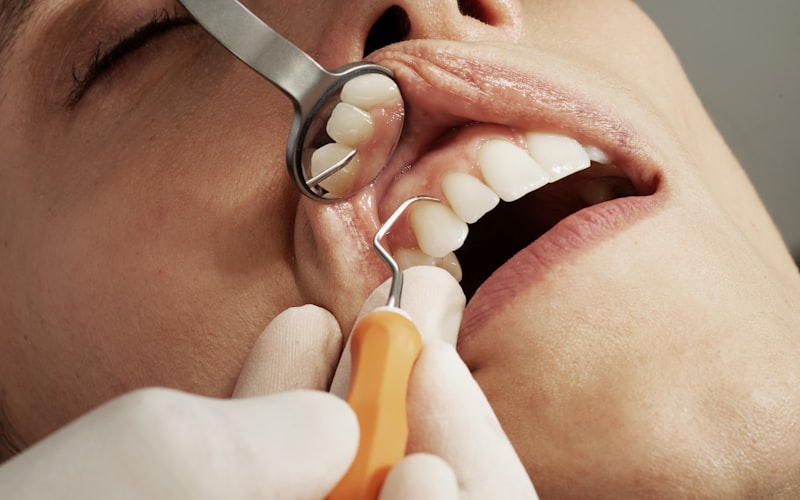
Gum disease treatment depends on the severity of the condition, ranging from non-invasive professional cleanings for gingivitis to surgical procedures for advanced periodontitis. The goals of treatment are to control the bacterial infection, reduce inflammation, stop disease progression, and preserve as much tooth and bone structure as possible.
Non-Surgical Treatments
Non-surgical therapies are the first line of treatment for gum disease and are often sufficient for managing gingivitis and mild to moderate periodontitis.
Professional Dental Cleaning
For patients with gingivitis, a standard professional cleaning (prophylaxis) may be all that is needed. During this procedure, a dental hygienist removes plaque and tartar from above and just below the gum line. When combined with improved home care, professional cleanings can reverse gingivitis entirely.
Patients with gingivitis typically require cleanings every six months, though some may benefit from more frequent visits until the inflammation resolves.
Scaling and Root Planing
Scaling and root planing, commonly called a deep cleaning, is the standard non-surgical treatment for periodontitis. This procedure is performed under local anesthesia and involves two key steps:
- Scaling removes plaque and tartar from below the gum line, reaching deep into the periodontal pockets.
- Root planing smooths the root surfaces of the teeth, removing bacterial toxins and creating a clean surface that allows the gums to reattach to the teeth.
Deep cleaning is usually performed over two to four appointments, treating one section of the mouth at a time. Many patients experience significant improvement in pocket depth and gum health within six to eight weeks after treatment.
Antibiotic Therapy
Antibiotics may be used in conjunction with scaling and root planing to control bacterial infection. Options include:
- Topical antibiotics such as antibiotic gels or microspheres placed directly into periodontal pockets after scaling
- Oral antibiotics prescribed for more widespread infections
- Antimicrobial mouth rinses containing chlorhexidine to reduce bacterial counts
Antibiotics alone are not sufficient to treat gum disease but can enhance the effectiveness of mechanical debridement.
Surgical Treatments
When non-surgical treatments are not enough to control the disease, surgical intervention may be necessary. These procedures are typically performed by a periodontist.
Flap Surgery (Pocket Reduction Surgery)
During flap surgery, the gums are lifted back to allow thorough removal of tartar deposits from deep pockets. The bone may be recontoured to eliminate craters where bacteria can collect. The gums are then sutured back into place so that the tissue fits snugly around the teeth, reducing pocket depth and making it easier to keep the area clean.
Bone Grafts
When periodontitis has destroyed the bone surrounding a tooth, bone grafting may be used to regenerate lost bone. Graft material can come from the patient’s own bone, donor bone, or synthetic materials. The graft serves as a scaffold for new bone growth, helping to stabilize teeth that have become loose due to bone loss.
Guided Tissue Regeneration
This procedure is performed in conjunction with flap surgery when the bone supporting the teeth has been destroyed. A small piece of biocompatible fabric is placed between the bone and gum tissue, preventing the gum tissue from growing into the area where bone should be. This allows the bone and connective tissue to regenerate naturally.
Soft Tissue Grafts
When gum recession has exposed tooth roots, soft tissue grafts can restore the gum line. Tissue is typically taken from the roof of the mouth or from a donor source and stitched into place over the exposed root. This procedure reduces sensitivity, improves appearance, and protects the root from decay.
Laser-Assisted Treatment
Laser therapy is an evolving approach to periodontal treatment that uses focused light energy to remove diseased tissue and bacteria from periodontal pockets. Advantages include less bleeding, reduced swelling, and faster healing compared to traditional surgery. While promising, laser treatment is often used as a complement to conventional therapies rather than a complete replacement.
What to Expect During Recovery
Recovery varies depending on the type of treatment received.
After Scaling and Root Planing
- Mild soreness and sensitivity for a few days
- Gums may bleed slightly for 24 to 48 hours
- Use a soft toothbrush and gentle technique while healing
- Follow-up appointment in four to six weeks to assess improvement
After Surgical Procedures
- Swelling and discomfort for several days, managed with prescribed medication
- Soft food diet for one to two weeks
- Avoid smoking, which significantly impairs healing
- Sutures are typically removed after seven to ten days
- Full healing may take several weeks to months
Maintenance After Treatment
Successful gum disease treatment requires ongoing maintenance. Without consistent follow-up care, the disease is likely to return. Post-treatment maintenance typically includes:
- Periodontal maintenance cleanings every three to four months
- Daily brushing and flossing with proper technique
- Regular pocket depth measurements to monitor stability
- Prompt attention to any recurrence of symptoms
Studies show that patients who adhere to a regular periodontal maintenance schedule have significantly better long-term outcomes than those who return to standard six-month cleaning intervals.
Treatment at Serenity International Dental Clinic
At Serenity International Dental Clinic in Hanoi, our periodontal treatment approach begins with a comprehensive assessment including digital X-rays and detailed pocket measurements. We develop individualized treatment plans that may combine non-surgical and surgical approaches for the best possible outcomes. Our team provides clear guidance on post-treatment care to help patients maintain the results of their treatment.
Frequently Asked Questions
Is scaling and root planing painful?
The procedure is performed under local anesthesia, so you should not feel pain during treatment. Some soreness and sensitivity are normal afterward and typically resolve within a few days.
How many sessions does deep cleaning require?
Most deep cleaning treatments are completed in two to four visits, with each session focusing on one quadrant or one side of the mouth. The number of sessions depends on the severity of the disease.
Can gum disease come back after treatment?
Yes. Gum disease is a chronic condition that can recur if proper oral hygiene and regular maintenance are not maintained. Ongoing professional care is essential.
Is gum surgery always necessary?
No. Many cases of gum disease can be managed effectively with scaling and root planing alone. Surgery is typically reserved for cases where non-surgical treatment has not achieved adequate pocket reduction or where bone regeneration is needed.
How much does scaling and root planing cost?
Deep cleaning is typically priced per quadrant, with a full-mouth treatment costing more depending on how many quadrants require treatment. At Serenity International Dental Clinic in Hanoi, scaling and root planing is offered at a fraction of Western prices while using the same professional-grade instruments and techniques. Your dental team will provide a specific estimate after evaluating the severity of your condition, and current pricing is available at picassodental.vn/dental-costs.
How long does recovery take after gum surgery?
Recovery time depends on the type of surgery performed. After flap surgery, most patients experience swelling and discomfort for three to seven days. A soft food diet is recommended for one to two weeks. Bone grafting and guided tissue regeneration procedures may require a longer healing period of several weeks to months for the graft to fully integrate. Most patients can return to work and normal daily activities within a few days of surgery, though strenuous physical activity should be avoided for one to two weeks.
Can gum disease be cured permanently?
Gingivitis can be completely reversed with professional cleaning and improved oral hygiene. However, periodontitis is a chronic condition that can be controlled but not fully cured. Once bone loss has occurred, it cannot regenerate on its own (though bone grafts can restore some of it). The key to long-term management is consistent maintenance through regular periodontal cleanings every three to four months, daily brushing and flossing, and promptly addressing any recurrence of symptoms.
What should I eat after gum disease treatment?
During the first week after scaling and root planing or gum surgery, stick to soft, cool foods such as yogurt, scrambled eggs, mashed potatoes, smoothies, and soups (not too hot). Avoid crunchy, spicy, or acidic foods that could irritate healing gum tissue. Do not eat seeds, nuts, or popcorn, which can become lodged in treatment areas. After the initial healing period, gradually return to your normal diet as comfort allows.
Does smoking affect gum disease treatment outcomes?
Smoking is one of the most significant factors that reduces the success of gum disease treatment. Tobacco restricts blood flow to the gums, impairs the immune response, and slows healing after both non-surgical and surgical procedures. Studies show that smokers have poorer treatment outcomes and higher rates of disease recurrence compared to non-smokers. Dentists strongly recommend quitting smoking before and during periodontal treatment. Even reducing tobacco use can improve healing and long-term results.
How do I know if my gum disease treatment is working?
Your dentist will schedule follow-up appointments, typically four to six weeks after treatment, to reassess your gum health. Signs that treatment is working include reduced bleeding during brushing and flossing, decreased gum swelling and redness, shallower pocket depths (measured with a periodontal probe), and firmer gum tissue. If pocket depths have not improved sufficiently, your dentist may recommend additional treatment or referral to a periodontist for surgical options.
Related Reading
- Gum Disease: Causes, Stages, and What You Need to Know — Understand the condition before exploring treatment options
- Symptoms of Gum Disease — Recognize which symptoms indicate the need for treatment
- 7 Signs You Have Gum Disease and Don’t Know It — Subtle signs of active periodontal disease patients often miss until treatment is urgent
- Prevention of Gum Disease — Maintain results after treatment with daily preventive habits
- Treating Difficult Areas of Periodontal Disease — Advanced techniques for complex furcation and deep pocket cases
- Deep Scaling and Root Planing — Detailed service page for non-surgical periodontal treatment
- Receding Gums Treatment — Surgical options for recession caused by periodontal disease
- Routine Teeth Cleaning — Ongoing maintenance cleanings after periodontal treatment
- Contact Us — Schedule a periodontal evaluation at our clinic
- 5 Differences Between Dental Cleaning and Deep Cleaning — Understand the distinction between routine cleaning and deep cleaning as a first-line treatment for gum disease.
How much does gum disease treatment cost?
Costs vary based on the severity of the condition and the type of treatment required. Non-surgical deep cleaning is generally less expensive than surgical procedures. Your dental team can provide a detailed estimate after a thorough examination.
Related Pages
- Gum Treatment at Picasso Dental Clinic — Periodontal treatment, deep scaling, frenectomy, and gummy smile surgery
Quick answers
Frequently asked questions
What is the first-line treatment for gum disease?
The first-line treatment for gum disease is non-surgical scaling and root planing (deep cleaning). The dentist removes tartar and bacterial deposits from above and below the gum line, then smooths the root surfaces to discourage bacterial re-attachment. For mild to moderate periodontitis, this alone can often control the disease. Antimicrobial agents or antibiotics may be used alongside to reduce bacterial load.
When does gum disease require surgery?
Surgery is recommended when non-surgical treatment fails to eliminate deep pockets (typically 5mm or greater after healing) or when there is significant bone loss that needs to be corrected. Surgical options include flap surgery (to access roots directly), bone grafting (to regenerate lost bone), guided tissue regeneration (to encourage natural bone and tissue regrowth), and gingival grafts (to cover exposed roots).
How long does gum disease treatment take?
The active treatment phase typically spans 1–3 months. Deep cleaning is usually carried out in two to four appointments. After active treatment, a healing period of 4–6 weeks is followed by a reassessment. If surgery is needed, this adds another 3–6 months. Most patients then transition to a maintenance schedule of professional cleanings every 3–4 months indefinitely.
Can gum disease be treated without a dentist?
Gingivitis (the earliest stage) can be reversed through improved brushing and flossing at home. However, once gum disease has progressed to periodontitis — involving bone loss and pockets deeper than 3mm — professional treatment is essential. Home care alone cannot remove tartar below the gum line or repair bone damage. Delaying professional care allows the disease to progress and makes treatment more invasive.
Does treating gum disease hurt?
Deep cleaning is performed under local anaesthesia, so the procedure itself should be pain-free. After the anaesthesia wears off, some patients experience gum tenderness, sensitivity to hot and cold, and minor bleeding for a few days. Over-the-counter pain relievers are usually sufficient. More invasive surgical procedures will have a longer recovery, but modern techniques and good post-operative care minimise discomfort.

Medically reviewed by Dr. Trần Thu Thảo, DDS — General & Restorative Dentistry
Hamburg-trained general dentist working across prosthodontics, endodontics and pediatric dentistry.
Last reviewed: October 25, 2026