
Key answer
A comprehensive guide to the 10 most common dental emergencies with first-aid instructions, urgency levels, and when to seek professional dental care.
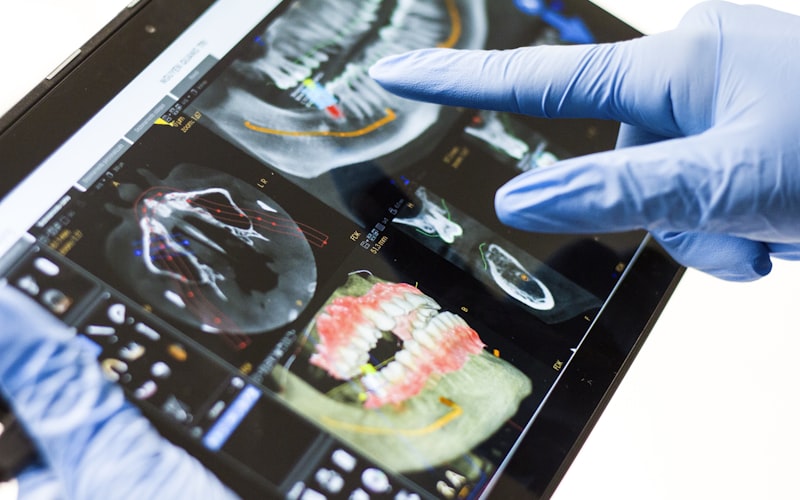
Dental emergencies can strike without warning, causing pain, anxiety, and uncertainty about what to do next. Being prepared with the right knowledge can help you manage the situation calmly and effectively, potentially saving a tooth or preventing a minor issue from becoming a serious one. Here are the ten most common dental emergencies and exactly how to handle each one.
1. Knocked-Out Tooth (Dental Avulsion)
Urgency: Immediate – seek care within 30 minutes
A knocked-out permanent tooth is the most time-critical dental emergency. With proper handling, a knocked-out tooth can be successfully reimplanted and survive long-term.
How to handle it:
- Pick up the tooth by the crown only; never touch the root
- Gently rinse the tooth with milk or saline if dirty (do not scrub)
- Attempt to place the tooth back in its socket and bite down gently on a cloth
- If reimplantation is not possible, store the tooth in milk, saline, or between the cheek and gum
- See a dentist within 30 minutes for the best chance of saving the tooth
Key fact: Teeth reimplanted within 5 minutes have a survival rate exceeding 90 percent. After 60 minutes outside the socket, the success rate drops significantly.
2. Severe Toothache
Urgency: Same day to next day
A sudden, severe toothache typically indicates a deep cavity, infection, or cracked tooth. The pain may be constant or triggered by temperature, pressure, or sweet foods.
How to handle it:
- Rinse with warm salt water to reduce bacteria and inflammation
- Floss gently around the tooth to remove trapped food
- Take ibuprofen for pain and inflammation
- Apply a cold compress to the cheek if swelling is present
- Avoid placing aspirin directly on the gum
- Contact your dentist for an urgent appointment
Warning signs requiring emergency care: Fever, facial swelling that is spreading, difficulty swallowing or breathing.
3. Broken or Fractured Tooth
Urgency: Same day if nerve is exposed; within 1-2 days for minor breaks
Teeth can break from biting hard objects, trauma, or weakening from large fillings or decay.
How to handle it:
- Rinse with warm water to clean the area
- Save any broken pieces in milk
- Apply gauze to control bleeding
- Use a cold compress on the cheek to reduce swelling
- Cover sharp edges with dental wax or sugar-free gum
- See your dentist as soon as possible
Tip: If you can see a pink or red spot in the center of the broken area, the nerve is exposed and you need same-day treatment.
4. Dental Abscess
Urgency: Same day – can become life-threatening
A dental abscess is a bacterial infection that produces a pocket of pus in or around a tooth. Untreated abscesses can spread to the jaw, head, neck, and even the bloodstream.
How to handle it:
- Rinse with warm salt water several times a day
- Take over-the-counter pain medication
- Do not apply heat to the swelling
- See your dentist urgently for drainage and antibiotic treatment
- Go to the emergency room if you have difficulty breathing or swallowing, severe facial swelling, or high fever
Identifying an abscess: Look for a persistent throbbing toothache, swollen gums, a pimple-like bump on the gum, bad taste in the mouth, and fever. These symptoms often signal the need for root canal treatment — read 7 signs you need a root canal.
5. Lost Filling
Urgency: Within a few days
A lost filling exposes the cavity underneath, leaving the tooth vulnerable to sensitivity, further decay, and potential fracture.
How to handle it:
- Keep the area clean by rinsing with warm salt water after meals
- Place temporary filling material (available at pharmacies) or sugar-free gum into the cavity
- Avoid chewing on the affected side
- Schedule a dental appointment within a few days
- Avoid very hot, cold, or sweet foods on the exposed tooth
6. Lost or Broken Crown
Urgency: Within a few days
A crown that falls off or breaks leaves the underlying tooth exposed and unprotected. The tooth may be sensitive because the prepared tooth surface has exposed dentin.
How to handle it:
- Retrieve and save the crown
- Clean the crown and the tooth gently
- Apply clove oil to the tooth with a cotton swab to reduce sensitivity (optional)
- Temporarily reattach the crown with denture adhesive or temporary dental cement (available at pharmacies)
- Never use household glue or superglue
- See your dentist within a few days
7. Loose or Displaced Tooth (Dental Luxation)
Urgency: Same day
A tooth that has been pushed out of position, pushed inward, or loosened by trauma needs prompt attention to maximize the chance of saving it.
How to handle it:
- Try to gently reposition the tooth to its normal alignment using very light finger pressure
- Bite on a cloth or gauze to stabilize the tooth
- Apply a cold compress to the cheek
- Take pain medication as needed
- See your dentist the same day for stabilization with a splint
8. Jaw Fracture or Dislocation
Urgency: Emergency room immediately
A broken or dislocated jaw is a serious medical emergency that requires immediate hospital care.
How to handle it:
- Stabilize the jaw by wrapping a bandage, necktie, or towel around the head and under the jaw
- Apply a cold compress to reduce swelling
- Do not attempt to move or realign the jaw yourself
- Go to the nearest emergency room immediately
- If there is bleeding, apply gentle pressure with gauze
Signs of jaw fracture: Inability to open or close the mouth normally, pain when moving the jaw, swelling, bruising, numbness in the lower lip or chin, teeth that do not align properly.
9. Bitten Lip, Tongue, or Cheek
Urgency: Varies – most resolve at home; seek care for deep wounds
Soft tissue injuries to the mouth can bleed heavily because the oral tissues have an abundant blood supply. Most minor bites heal on their own, but deep lacerations may require stitches.
How to handle it:
- Rinse gently with warm salt water
- Apply firm pressure with clean gauze or a moistened tea bag for 15 to 20 minutes
- Apply a cold compress to the outside of the mouth to reduce swelling
- If bleeding persists after 20 minutes of continuous pressure, seek emergency care
- Deep cuts that gape open may need stitches
10. Object Stuck Between Teeth
Urgency: Low – but address promptly to prevent damage
Food or foreign objects lodged between teeth can cause significant discomfort and, if left in place, can lead to gum irritation, infection, or decay.
How to handle it:
- Try to remove the object with dental floss, using a gentle sawing motion
- Do not use sharp or pointed objects such as pins, toothpicks, or knives, which can damage the gums or enamel
- Rinse with warm water to help dislodge the item
- If floss does not work, see your dentist for safe removal
- Do not ignore the problem, as trapped objects can cause abscesses
Dental Emergency Quick Reference
| Emergency | Urgency Level | Key Action |
|---|---|---|
| Knocked-out tooth | Immediate (30 min) | Reimplant or store in milk |
| Dental abscess | Same day | Salt water rinse; see dentist urgently |
| Broken tooth (nerve exposed) | Same day | Cover; see dentist urgently |
| Loose/displaced tooth | Same day | Stabilize; see dentist urgently |
| Jaw fracture | Emergency room | Stabilize jaw; go to ER |
| Severe toothache | Same day to next day | Pain medication; see dentist |
| Broken tooth (minor) | 1-2 days | Save pieces; see dentist soon |
| Lost crown | Few days | Temporarily reattach; see dentist |
| Lost filling | Few days | Temporary filling; see dentist |
| Object stuck between teeth | Low urgency | Floss gently; see dentist if needed |
Preventing Dental Emergencies
Many dental emergencies can be prevented with these precautions:
- Wear a properly fitted mouthguard during sports and physical activities
- Do not chew ice, hard candy, popcorn kernels, or other hard objects
- Use scissors to cut things, not your teeth
- Wear a night guard if you grind your teeth
- Maintain regular dental checkups to catch developing problems early
- Address cracked teeth, large fillings, and other vulnerable restorations before they fail
At Serenity International Dental Clinic in Hanoi, we provide priority scheduling for dental emergencies and offer comprehensive treatment for all types of dental trauma and urgent dental conditions.
Frequently Asked Questions
What is the most common dental emergency?
Severe toothache is the most common dental emergency, usually caused by deep decay, infection, or a cracked tooth. Broken teeth and lost fillings or crowns are also very common.
Can I go to the hospital for a dental emergency?
Hospital emergency rooms can manage life-threatening dental emergencies such as severe infections, uncontrolled bleeding, and jaw fractures. However, they typically cannot perform dental procedures like root canals, extractions, or crown replacements. For most dental emergencies, seeing a dentist directly is more effective.
Related Reading
- How to Handle Common Dental Emergencies — Practical first-aid guide for the most frequent emergencies
- How to Handle Your Cracked Tooth Properly — Detailed guide for one of the most common dental injuries
- Fractured and Broken Teeth — Classification of fracture types and restorative treatment options
- What to Do During a Dental Emergency While Travelling — Managing emergencies when away from your regular dentist
- Root Canal Treatment — Saving infected teeth that cause severe toothache emergencies
- Tooth Extraction — When emergency extraction is necessary
- Wisdom Tooth Removal — Emergencies related to impacted wisdom teeth
- 5 Stages of Tooth Decay — How untreated decay leads to abscess emergencies
- Contact Us — Priority scheduling for dental emergencies in Hanoi
How do I manage dental emergency pain at night?
Take ibuprofen or acetaminophen as directed, rinse with warm salt water, apply a cold compress, and elevate your head while sleeping. Avoid lying flat, as this can increase blood pressure to the area and worsen pain. Contact your dentist first thing in the morning.
Should I go to the dentist if a baby tooth is knocked out?
You should see a dentist to ensure no other teeth or the jawbone were damaged, but the knocked-out baby tooth itself should not be reimplanted. Forcing a baby tooth back into the socket can damage the developing permanent tooth underneath.
Quick answers
Frequently asked questions
What should I do if I knock out a tooth?
Pick up the tooth by the crown (not the root), rinse it gently with water without scrubbing, and try to reinsert it into the socket. If reinsertion is not possible, place the tooth in milk or hold it between your cheek and gum to keep it moist. Seek emergency dental care within 30 minutes — time is critical for saving the tooth.
Is a cracked tooth a dental emergency?
Yes, depending on severity. A minor chip may wait for a regular appointment, but a crack that causes sharp pain, sensitivity to temperature, or involves the tooth root requires urgent treatment. Left untreated, cracks can deepen and result in infection or tooth loss.
What counts as a dental emergency?
Dental emergencies include severe toothache, knocked-out or broken teeth, lost crowns or fillings causing pain, dental abscesses, soft tissue injuries to the mouth, and broken orthodontic wires. Any situation involving severe pain, swelling, bleeding that won't stop, or trauma to the teeth warrants urgent dental care.
Can I visit Picasso Dental Clinic for a dental emergency in Hanoi?
Yes. Picasso Dental Clinic at 16 Chau Long, Ba Dinh, Hanoi accepts urgent cases and can assess dental emergencies during clinic hours. Contact the clinic by phone or Facebook Messenger to describe your situation and arrange priority scheduling.
How do I treat a dental abscess before seeing a dentist?
Rinse your mouth with warm salt water to reduce bacteria and relieve discomfort. Over-the-counter pain relievers can help manage pain, but do not apply aspirin directly to the gum. A dental abscess is a serious infection that requires professional treatment as soon as possible — do not delay seeking care.

Reviewed for accuracy by Dr. Emily Nguyen, DDS — Implant & Cosmetic Dentistry
Founder and Principal Dentist of Picasso Dental, with 15+ years in implant surgery, periodontics and full-arch (All-on-4) rehabilitation. Read full bio
Last reviewed: September 27, 2026