
Key answer
Prevent gum disease with these 5 simple steps. Learn how daily habits and professional care protect your teeth and gums.
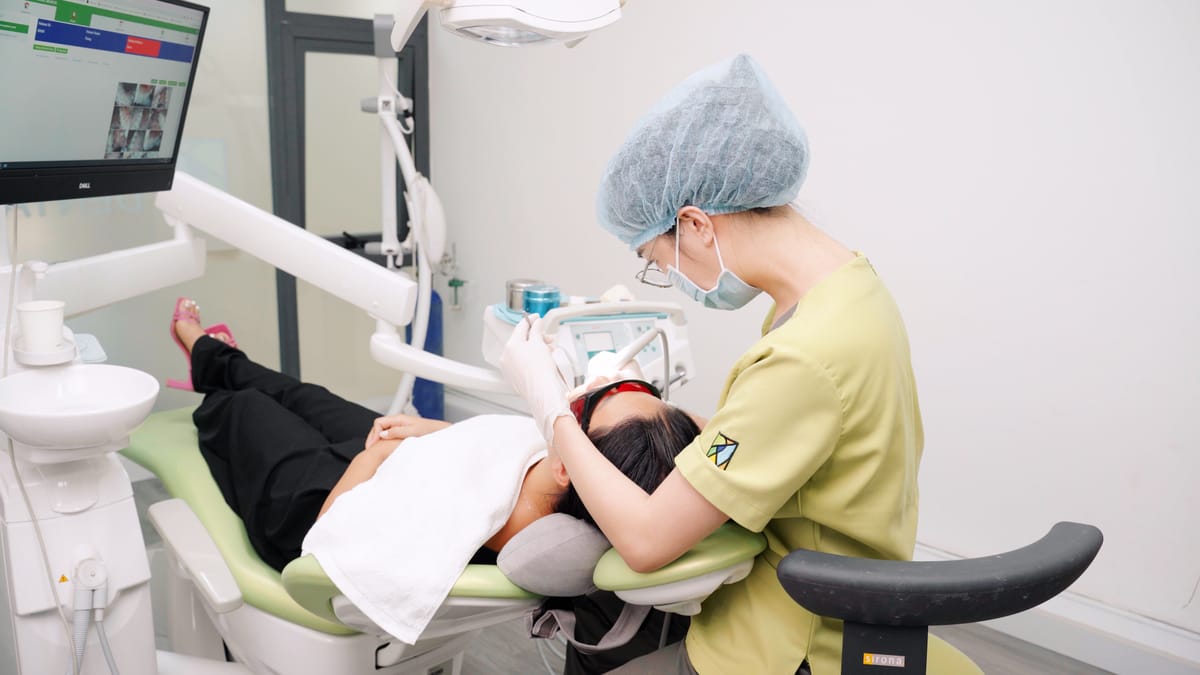
Periodontal disease, commonly known as gum disease, is one of the most prevalent chronic conditions affecting adults worldwide. According to the World Health Organization, severe periodontal disease affects approximately 19% of the global adult population. Left untreated, it is the leading cause of tooth loss in adults and has been linked to systemic health conditions including heart disease, diabetes, and respiratory infections.
The encouraging reality is that periodontal disease is largely preventable. By following five straightforward steps consistently, you can protect your gums, preserve your teeth, and support your overall health.
Understanding Periodontal Disease
Periodontal disease is a bacterial infection of the tissues that surround and support your teeth, including the gums, periodontal ligament, and alveolar bone. It begins with the accumulation of bacterial plaque — a sticky, colorless film that forms on teeth throughout the day.
The disease progresses through two main stages:
Gingivitis — the earliest and mildest form. Gums become red, swollen, and bleed easily during brushing or flossing. At this stage, the bone and connective tissue holding the teeth in place are not yet affected. Gingivitis is fully reversible with proper treatment.
Periodontitis — the advanced stage. The infection spreads below the gum line, causing the gums to pull away from the teeth and form pockets that harbor bacteria. The immune response to the infection, combined with bacterial toxins, progressively destroys the bone and connective tissue. Teeth may loosen and eventually require extraction.
Step 1: Brush Properly Twice a Day
Effective brushing removes the bacterial plaque that causes periodontal disease before it can harden into calculus (tarite). However, the technique matters as much as the frequency.
How to brush for gum health:
- Use a soft-bristled toothbrush to avoid damaging gum tissue.
- Hold the brush at a 45-degree angle to the gum line so the bristles reach just under the gum margin where plaque accumulates.
- Use gentle, short back-and-forth strokes or small circular motions. Avoid aggressive scrubbing.
- Brush all surfaces — outer, inner, and chewing surfaces — of every tooth.
- Brush for a full two minutes each session.
- Replace your toothbrush every three to four months, or sooner if the bristles are frayed.
- Use fluoride toothpaste to strengthen enamel and inhibit bacterial growth.
Consider an electric toothbrush. Studies published in the Journal of Clinical Periodontology have shown that powered toothbrushes with oscillating-rotating heads reduce plaque and gingivitis more effectively than manual brushing.
Step 2: Floss Daily
Brushing alone cleans only about 60% of tooth surfaces. The remaining 40% — the areas between teeth and just below the gum line — can only be reached effectively with interdental cleaning.
Bacterial plaque that remains undisturbed between teeth is a primary driver of periodontal disease. Flossing once daily removes this plaque before it can mineralize into tartar or trigger an inflammatory response in the gums.
Effective flossing technique:
- Use approximately 45 centimeters (18 inches) of floss, winding most of it around your middle fingers.
- Hold a short section taut between your thumbs and index fingers.
- Guide the floss gently between teeth using a back-and-forth motion. Do not snap it into the gums.
- Curve the floss into a C-shape against one tooth and slide it gently beneath the gum line.
- Move to a clean section of floss for each tooth.
Alternatives to traditional floss include interdental brushes, water flossers, and floss picks. If you find traditional flossing difficult due to dexterity issues, dental restorations, or orthodontic appliances, any of these alternatives is preferable to not cleaning between teeth at all.
Step 3: Visit Your Dentist Regularly
Professional dental cleanings and examinations are essential for preventing periodontal disease for two important reasons:
First, professional cleanings remove tartar. Once plaque hardens into calculus (tartar), it cannot be removed by brushing or flossing alone. Tartar provides a rough surface that attracts more plaque and harbors bacteria directly against the gum tissue. Only a dental hygienist or dentist can remove tartar using specialized instruments.
Second, early detection saves teeth. Periodontal disease often develops without obvious symptoms in its early stages. Your dentist can identify signs of gum disease — such as increased pocket depths, bleeding on probing, or early bone loss on X-rays — before you notice any problems.
Most adults should visit the dentist every six months for a checkup and professional cleaning. If you have risk factors for periodontal disease, your dentist may recommend more frequent visits — every three to four months.
At Serenity International Dental Clinic, our team provides comprehensive periodontal assessments as part of every routine examination, ensuring that any signs of gum disease are caught and addressed early.
Step 4: Stop Smoking and Tobacco Use
Tobacco use is one of the most significant modifiable risk factors for periodontal disease. Smokers are two to three times more likely to develop periodontitis than non-smokers, and the disease tends to be more severe and less responsive to treatment in tobacco users.
Smoking impairs gum health through several mechanisms:
- Reduced blood flow to the gums, which limits the delivery of oxygen and immune cells needed to fight infection
- Suppressed immune response, making it harder for the body to combat bacterial infection
- Impaired healing after dental procedures, including periodontal treatments
- Masked symptoms — smoking reduces gum bleeding, which can hide the signs of active gum disease and delay diagnosis
The benefits of quitting are substantial and begin relatively quickly. Research shows that former smokers have a significantly lower risk of periodontal disease progression compared to current smokers, and their response to periodontal treatment improves.
Step 5: Maintain a Balanced, Nutritious Diet
Nutrition plays a direct role in gum health. A diet that supports your immune system and provides the building blocks for healthy tissue helps your body resist and recover from bacterial infections, including periodontal disease.
Key nutrients for gum health:
- Vitamin C — essential for collagen production and tissue repair. Deficiency causes scurvy, which is characterized by bleeding, swollen gums. Good sources include citrus fruits, bell peppers, strawberries, and broccoli.
- Vitamin D — supports calcium absorption and has anti-inflammatory properties. Sources include sunlight exposure, fatty fish, and fortified foods.
- Calcium — critical for maintaining strong jawbone density that supports your teeth. Found in dairy products, leafy greens, and fortified plant milks.
- Omega-3 fatty acids — have anti-inflammatory effects that may help reduce gum inflammation. Found in fatty fish, walnuts, and flaxseeds.
Dietary habits that harm your gums:
- Frequent consumption of sugary foods and beverages feeds the bacteria that cause plaque
- A diet high in refined carbohydrates promotes bacterial growth
- Excessive alcohol consumption can contribute to dry mouth and impaired immune function
Risk Factors You Should Know About
While the five steps above are within your control, certain risk factors may increase your susceptibility to periodontal disease:
- Genetics — some individuals are genetically predisposed to gum disease, even with good oral hygiene
- Diabetes — people with diabetes are at higher risk for infections, including periodontal disease, and gum disease can make blood sugar control more difficult
- Hormonal changes — puberty, pregnancy, and menopause can make gums more sensitive and susceptible to gingivitis
- Medications — certain drugs cause dry mouth or gum overgrowth, increasing periodontal risk
- Stress — chronic stress impairs the immune system’s ability to fight infection
If you have any of these risk factors, preventive care becomes even more important.
Frequently Asked Questions
What are the first signs of periodontal disease?
The earliest signs of periodontal disease (gingivitis) include red, swollen, or tender gums; bleeding when brushing or flossing; and persistent bad breath. Because gingivitis is often painless, many people overlook these symptoms. If you notice any of these signs, schedule a dental appointment promptly — gingivitis is fully reversible with professional treatment and improved home care.
Can periodontal disease be cured?
Gingivitis can be completely reversed with proper treatment. However, once the disease has progressed to periodontitis and bone loss has occurred, the damage cannot be fully reversed — it can only be managed and stabilized. This is why prevention and early detection are so critical.
How is periodontal disease treated?
Treatment depends on the severity. Mild to moderate cases are treated with scaling and root planing (a deep cleaning procedure that removes plaque and tartar from below the gum line). Advanced cases may require surgical interventions such as flap surgery, bone grafts, or guided tissue regeneration.
Related Reading
- Gum Disease: Causes, Stages, and What You Need to Know — In-depth understanding of the disease you are preventing
- Symptoms of Gum Disease — Early warning signs to monitor between dental visits
- Prevention of Gum Disease — Additional evidence-based prevention strategies
- Treatment of Gum Disease — All treatment options when prevention was not enough
- Routine Teeth Cleaning — Professional cleanings that are key to Step 3
- Receding Gums: Symptoms and Causes — A common consequence of untreated periodontal disease
- How to Avoid Dental Decay — Cavity prevention works hand-in-hand with gum disease prevention
- Routine Dental Checkup — Schedule the regular exams that detect periodontal disease early
- 5 Differences Between Dental Cleaning and Deep Cleaning — Clarifies which type of cleaning your dentist recommends at each stage of periodontal disease prevention.
Does periodontal disease affect overall health?
Yes. Research has established links between periodontal disease and several systemic conditions, including cardiovascular disease, type 2 diabetes, respiratory infections, rheumatoid arthritis, and adverse pregnancy outcomes. The chronic inflammation and bacterial load associated with gum disease are believed to contribute to these conditions.
At what age does periodontal disease start?
While periodontitis is most common in adults over 30, gingivitis can develop at any age. Adolescents and young adults frequently develop gingivitis due to hormonal changes, orthodontic appliances, or inconsistent oral hygiene. Early education about gum health is important for lifelong prevention.
Related Pages
- Gum Treatment at Picasso Dental Clinic — Periodontal treatment, deep scaling, frenectomy, and gummy smile surgery

Reviewed for accuracy by Dr. Emily Nguyen, DDS — Implant & Cosmetic Dentistry
Founder and Principal Dentist of Picasso Dental, with 15+ years in implant surgery, periodontics and full-arch (All-on-4) rehabilitation. Read full bio
Last reviewed: September 27, 2026