
Key answer
All-on-4 dental implants have 94-98% success rates. Review the clinical evidence, long-term data, and factors that affect outcomes.
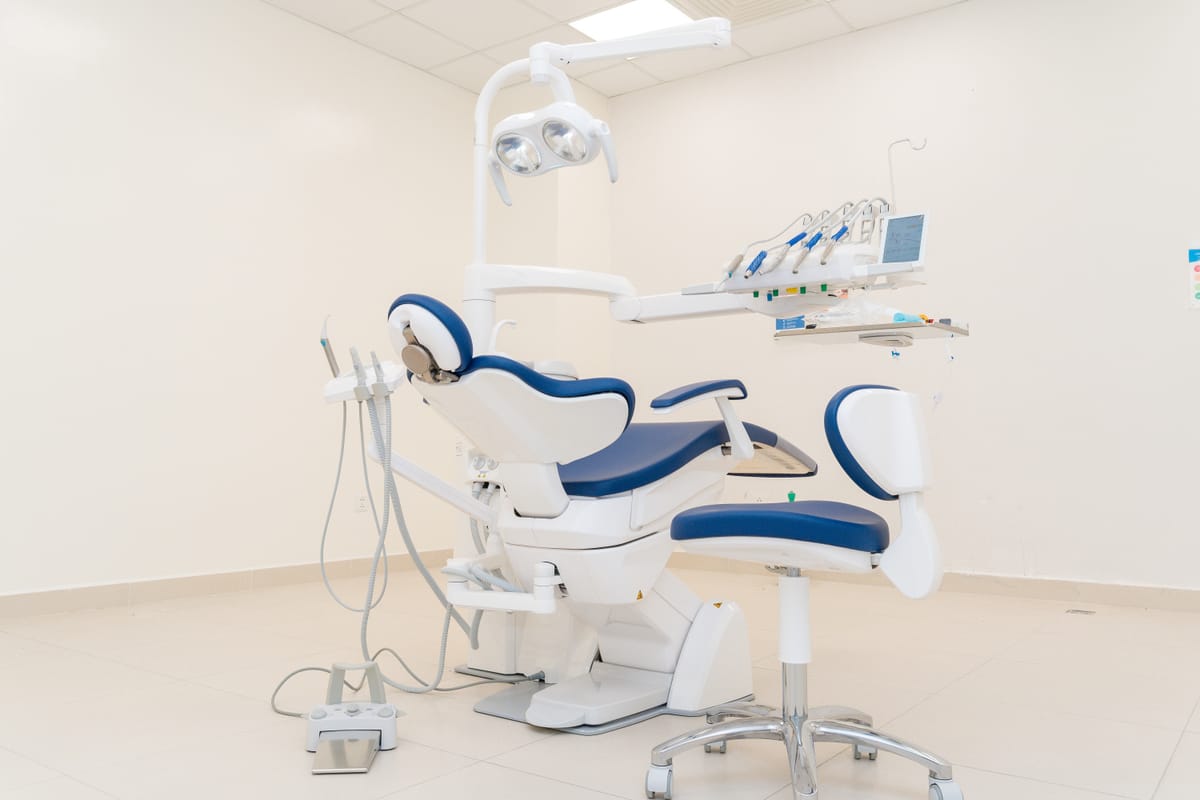
The All-on-4 dental implant technique has become one of the most popular and widely studied methods for full-arch tooth replacement. Since its development by Dr. Paulo Malo in the late 1990s, the All-on-4 concept has been the subject of extensive clinical research, with numerous studies confirming its reliability and long-term success. For patients considering this treatment, understanding the evidence behind the success rates provides confidence in the decision.
All-on-4 Success Rates: What the Research Shows
Published clinical studies consistently report high success rates for All-on-4 dental implants:
- Cumulative implant survival rate at 5 years: 95% to 98%
- Cumulative implant survival rate at 10 years: 93% to 98%
- Cumulative implant survival rate at 15+ years: 91% to 96%
- Prosthesis survival rate at 10 years: 93% to 99%
These figures are based on large-scale studies involving thousands of patients across multiple clinical centers worldwide. The data indicates that All-on-4 provides success rates comparable to traditional implant protocols that use more implants.
Key Published Studies
Several landmark studies have shaped the evidence base for All-on-4:
- Malo et al. (2011): A 10-year follow-up of the original All-on-4 patients showed a cumulative implant survival rate of 94.8% in the mandible (lower jaw) and 98% in the maxilla (upper jaw).
- Malo et al. (2019): An 18-year longitudinal study reported a cumulative implant survival rate of 95.4% with high levels of patient satisfaction.
- Patzelt et al. (2014): A systematic review of 2,238 implants placed using the All-on-4 protocol found an overall survival rate of 99.0% at follow-up periods of one to three years.
The evidence is clear: All-on-4 is a clinically validated, reliable treatment with strong long-term outcomes.
How All-on-4 Success Compares to Traditional Implants
| Metric | All-on-4 | Traditional (6-8 implants) |
|---|---|---|
| Implant survival at 5 years | 95-98% | 95-98% |
| Implant survival at 10 years | 93-98% | 94-98% |
| Prosthesis survival at 10 years | 93-99% | 94-99% |
| Bone grafting required | Rarely | Often |
| Treatment time | Shorter | Longer |
The success rates are remarkably similar, which validates the All-on-4 concept as an equally reliable alternative that offers additional benefits in terms of treatment speed, reduced surgical burden, and lower cost.
Factors That Influence All-on-4 Success
Bone Quality and Implant Placement
The success of All-on-4 depends on achieving adequate primary stability — the mechanical stability of the implant immediately after placement. The angled posterior implants engage the dense cortical bone of the anterior jaw, which provides excellent initial fixation even in patients with reduced bone volume.
The quality of the bone at the implant site, measured by bone density, is an important predictor of primary stability. Denser bone (types D1 and D2) provides higher stability than softer bone (types D3 and D4).
Surgeon Experience
The experience and skill of the implant surgeon are among the most significant factors affecting outcomes. All-on-4 requires precise angulation of the posterior implants, careful avoidance of anatomical structures (nerves, sinuses), and the ability to achieve adequate primary stability in each implant.
Studies show that surgeons who have placed a high volume of All-on-4 cases achieve better results than those who perform the procedure infrequently. Choosing a clinic with an experienced, dedicated implant team is essential.
Immediate Loading Protocol
The All-on-4 technique relies on immediate loading — attaching a provisional prosthesis to the implants on the same day as surgery. For this to succeed, each implant must achieve a minimum insertion torque (typically 35 Ncm or higher), indicating that it is stable enough to bear functional forces immediately.
If one or more implants do not achieve adequate primary stability, the surgeon may modify the protocol — for example, by placing an additional implant or by delaying loading until further healing has occurred.
Patient Health and Habits
As with all dental implants, patient factors significantly influence success:
- Smoking increases the failure rate by two to three times. Smokers should quit before and after surgery.
- Uncontrolled diabetes impairs healing and increases infection risk.
- Poor oral hygiene leads to peri-implantitis, the primary cause of late implant failure — see our implant maintenance guide for proper care techniques.
- Bruxism can overload implants if not managed with a night guard.
Prosthesis Design and Material
The design and material of the All-on-4 prosthesis affect both its durability and the forces transmitted to the implants. Common prosthesis materials include:
- Acrylic with titanium framework — lightweight, repairable, and cost-effective
- Zirconia with titanium framework — extremely strong, durable, and aesthetic
- Full zirconia monolithic — the most durable option with excellent aesthetics
The prosthesis must be properly designed to distribute chewing forces evenly across all four implants and to allow adequate access for oral hygiene.
What Causes All-on-4 Failure?
Early Failure (Before Osseointegration)
Early failures occur within the first few months when the implant fails to integrate with the bone. Causes include:
- Insufficient primary stability at the time of placement
- Infection at the surgical site
- Excessive forces on the implant during the initial healing period
- Patient smoking during the critical healing phase
- Compromised bone quality
Early failure rates for All-on-4 are reported at 2% to 5%, with most failures occurring in the first three months.
Late Failure (After Osseointegration)
Late failures occur months or years after successful integration. The most common causes are:
- Peri-implantitis — bacterial infection causing bone loss around the implant, typically resulting from inadequate oral hygiene
- Biomechanical overload — excessive or unbalanced forces from bruxism or a poorly designed prosthesis
- Prosthetic complications — fracture of the prosthesis framework, abutment screw loosening, or material wear
Late failures are less common than early failures and are largely preventable through good oral hygiene, regular professional maintenance, and appropriate prosthesis design.
What Happens If an All-on-4 Implant Fails?
If one of the four implants fails, the situation is manageable in most cases:
- During the provisional phase: The prosthesis can often be modified to function on three implants while a replacement implant heals. Alternatively, a fifth implant can be placed in a different location.
- After the final prosthesis is placed: A replacement implant can be placed, and the prosthesis can be modified to accommodate the new implant.
Complete failure of the All-on-4 treatment (loss of all four implants) is extremely rare with an experienced surgical team.
Maximizing Your All-on-4 Success
- Choose an experienced implant clinic with a proven track record of All-on-4 cases — read patient reviews to verify clinic quality
- Stop smoking at least two to four weeks before surgery and remain smoke-free for at least eight weeks after
- Manage systemic conditions — ensure diabetes, blood pressure, and other conditions are well-controlled
- Follow post-operative instructions meticulously, including dietary restrictions, medication schedules, and oral hygiene protocols
- Maintain excellent oral hygiene around the implants and prosthesis for life
- Attend regular professional maintenance appointments every six months
- Wear a night guard if you grind or clench your teeth
At Serenity International Dental Clinic, our All-on-4 implant team combines extensive experience with advanced digital planning and premium implant systems to deliver predictable, successful outcomes for patients from around the world. New Zealand patients researching the procedure in NZD pricing terms can also review the Vietnam Dental Holiday NZ All-on-4 page, which outlines treatment timelines, immediate-load expectations, and follow-up logistics for the Auckland-Hanoi journey.
Frequently Asked Questions
Is All-on-4 as reliable as having six or eight implants?
Yes. Published research shows that All-on-4 achieves success rates comparable to protocols using more implants. The angled implant placement maximizes bone contact and load distribution, compensating for the reduced number of implants.
What is the failure rate of All-on-4 implants?
The overall failure rate is approximately 2% to 7% over 10 years, meaning that 93% to 98% of All-on-4 implants remain successful at the 10-year mark. Most failures occur early (within the first three months) and can often be resolved with a replacement implant.
How long do All-on-4 implants last?
The titanium implants can last a lifetime with proper care. The prosthesis typically lasts 10 to 20 years before it may need repair or replacement due to wear. The framework (titanium or zirconia) generally lasts longer than the prosthetic teeth.
Do All-on-4 implants feel like natural teeth?
Most patients report that their All-on-4 teeth feel very similar to natural teeth. They are fixed in place, do not move, and allow eating and speaking with confidence. Some patients note a slight difference in sensation because implants lack the nerve supply of natural teeth, but this is rarely a concern.
Related Reading
- All-on-4 Dental Implants Service — Treatment details, prosthesis options, and pricing at our clinic
- All-on-4 vs Traditional Implants — How All-on-4 success rates compare to conventional approaches
- Are You a Good Candidate for All-on-4? — Factors that influence your personal likelihood of success
- Dental Implant Success Rate — Broader success rate analysis covering all implant types
- Dental Implants: A Tooth Replacement That Rarely Fails — Why implants in general have the highest reliability of any replacement option
- Dental Implant Maintenance — Proper care that maintains high success rates long-term
- Guarantee Program — Warranty coverage that backs our All-on-4 success rates
- 5 Reasons All-on-4 Is Changing Lives for Edentulous Patients — How All-on-4 delivers fixed teeth without extensive bone grafting

Medically reviewed by Dr. Emily Nguyen, DDS — Implant & Cosmetic Dentistry
Founder and Principal Dentist of Picasso Dental, with 15+ years in implant surgery, periodontics and full-arch (All-on-4) rehabilitation. Read full bio
Last reviewed: September 27, 2026