Key answer
Essential dos and don'ts for dental tourists in Vietnam. Practical advice to ensure a smooth, successful dental treatment trip.
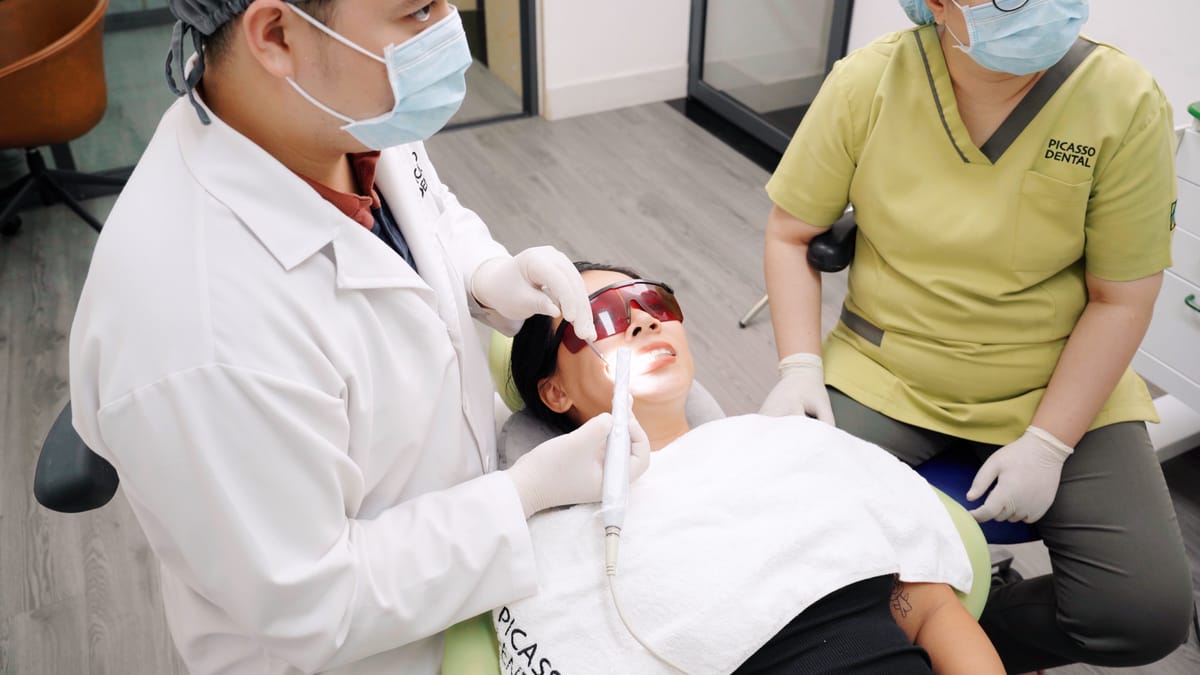
Vietnam has earned a strong reputation as a dental tourism destination, offering international-standard care at a fraction of Western prices. Thousands of patients from Australia, the United States, Europe, and across Asia travel to Vietnam each year for procedures ranging from dental implants and porcelain crowns to full-mouth restorations and smile makeovers.
To help you get the best possible experience and outcome, here are six essential dos and don’ts for having dental work done in Vietnam.
Do #1: Research Your Clinic Thoroughly Before Booking
Choosing the right clinic is the single most important factor in the success of your dental trip. Not all dental clinics in Vietnam cater to international patients, and quality can vary significantly.
What to look for:
- Dentist credentials and specializations — verify that the treating dentist has documented qualifications, relevant specializations, and ideally international training or certifications
- Patient reviews from international patients — look for reviews on Google, Facebook, and dental tourism forums from patients who had similar procedures
- Transparency about materials — a reputable clinic will clearly state which implant brands, crown materials, and laboratory partners they use
- Before-and-after photos — look for documented cases of procedures similar to yours
- Clear communication — the clinic should respond promptly and thoroughly to your inquiries in English
- Warranty policies — quality clinics stand behind their work with written warranties
Red flags to watch for: clinics that offer unusually low prices without specifying materials, clinics that pressure you into immediate decisions, or clinics that are vague about dentist qualifications. For more guidance, read our top 5 tips to find the best dentist in Vietnam.
Do #2: Send Your Dental Records in Advance
Providing your dental records before you arrive in Vietnam allows the clinic to prepare a preliminary treatment plan, estimate costs accurately, and schedule appointments efficiently.
What to send:
- A recent panoramic X-ray (OPG) or cone beam CT scan — most clinics prefer digital files sent via email
- Intraoral photos showing the areas of concern
- A written summary of your dental history, including previous treatments, allergies, and current medications
- A clear description of your goals and expectations
Pre-arrival planning is valuable because it allows the dentist to identify any potential complications, order necessary materials in advance, and ensure your treatment schedule is optimized for your travel dates.
Do #3: Allow Enough Time for Your Treatment
One of the most common mistakes dental tourists make is underestimating how much time their treatment will require. Rushing a complex procedure to catch a flight home can compromise the result.
General timeframes:
- Porcelain crowns and veneers: 5 to 7 working days (time is needed for laboratory fabrication)
- Simple dental implant placement: 3 to 5 days for the surgical phase, with a return visit in 3 to 6 months for the permanent crown
- All-on-4 or All-on-6 implants: 5 to 10 days for surgery and provisional prosthesis, with a return visit for the final prosthesis
- Root canal treatment with crown: 5 to 7 days
- Full-mouth reconstruction: 10 to 14 days or more, potentially requiring multiple visits
Build in buffer days for unexpected adjustments, rest, and follow-up appointments. It is far better to have extra free days in Vietnam than to feel rushed.
Don’t #1: Don’t Choose a Clinic Based Solely on Price
While cost savings are a major motivation for dental tourism, selecting the cheapest option can be a costly mistake. Extremely low prices may indicate the use of inferior materials, less experienced dentists, or shortcuts in infection control.
What matters more than price:
- The quality of materials used (branded vs. generic implants and ceramics)
- The experience and training of the dentist performing the procedure
- The technology and equipment available at the clinic
- The clinic’s track record with international patients
- The aftercare and warranty support provided
A fair comparison requires looking at what is included in the quoted price. Some clinics quote a base price that excludes the abutment, crown, temporary restoration, CT scan, or follow-up visits. Always request an itemized, all-inclusive quote so you can compare accurately.
At Serenity International Dental Clinic, we provide detailed, transparent treatment plans that itemize every component and cost, so there are no surprises.
Don’t #2: Don’t Skip the Consultation Appointment
Some patients are tempted to begin treatment immediately upon arrival to save time. However, a thorough initial consultation is essential, even if you have communicated extensively with the clinic beforehand.
Why the in-person consultation matters:
- The dentist needs to conduct a clinical examination that cannot be replicated remotely
- Additional X-rays or scans may be needed for precise treatment planning
- The dentist can identify conditions that were not visible in your pre-submitted records
- You have the opportunity to ask questions, discuss options, and confirm the treatment plan face-to-face
- You should feel comfortable with your dentist before proceeding with treatment
The consultation is also your chance to assess the clinic environment firsthand — its cleanliness, organization, equipment, and professionalism of the staff.
Don’t #3: Don’t Neglect Post-Treatment Care
After your dental procedure, following your dentist’s aftercare instructions carefully is critical to a successful outcome. Dental work performed in Vietnam requires the same post-treatment care as dental work performed anywhere else.
Common aftercare guidelines:
- After implant surgery: avoid hard or crunchy foods for several weeks, do not smoke, take prescribed medications as directed, and attend all follow-up appointments
- After crown or veneer placement: avoid extremely hard or sticky foods for the first 48 hours, maintain excellent oral hygiene, and report any bite discomfort promptly
- After root canal treatment: avoid chewing on the treated tooth until the permanent crown is placed, and complete any prescribed antibiotics
- General guidelines: keep the treatment area clean, avoid alcohol and strenuous physical activity for 24 to 48 hours after surgical procedures, and contact the clinic immediately if you experience unusual pain, swelling, or bleeding
Before you leave Vietnam, ensure you have:
- A complete set of your dental records, including X-rays, treatment notes, and laboratory specifications
- Written aftercare instructions
- Contact information for the clinic, including email and messaging app details
- Any prescribed medications needed for the first week after departure
- A clear understanding of the follow-up schedule and warranty terms
Bonus Tips for a Smooth Dental Trip to Vietnam
Travel insurance
Purchase travel insurance that includes coverage for medical and dental complications. While complications are rare, having insurance provides peace of mind.
Accommodation
Choose a hotel or serviced apartment close to your dental clinic. This minimizes travel time for daily appointments and makes it easy to return to rest between sessions.
Diet during treatment
Vietnamese cuisine is exceptionally well-suited for dental recovery. Pho (noodle soup), chao (rice porridge), banh cuon (steamed rice rolls), and fresh fruit smoothies are gentle on healing dental work and widely available.
Sightseeing
Plan your sightseeing activities around your treatment schedule. Most dental procedures involve some waiting time between appointments — use this time to explore the local culture, visit historical sites, or enjoy Vietnamese cuisine.
Frequently Asked Questions
How far in advance should I book my dental appointment in Vietnam?
Booking four to six weeks in advance is ideal for most procedures. This gives the clinic time to review your records, prepare a treatment plan, and order any specialized materials. For complex cases such as full-mouth implant rehabilitation, booking two to three months ahead is advisable.
Can I get a second opinion from another clinic in Vietnam?
Yes. If you are uncertain about a proposed treatment plan or cost estimate, seeking a second opinion from another reputable clinic is entirely reasonable. Most clinics welcome the opportunity to provide a consultation.
What payment methods do Vietnamese dental clinics accept?
Most international dental clinics accept cash (US dollars or Vietnamese dong), credit cards (Visa and Mastercard), and bank transfers. Some also accept payment through apps like Wise or PayPal. Confirm accepted payment methods with your clinic before arriving.
Do I need a visa to visit Vietnam for dental treatment?
Vietnam offers visa exemptions for citizens of many countries for stays of up to 45 days. Citizens of other countries can obtain an e-visa or visa on arrival. Check Vietnam’s current visa policy based on your nationality before planning your trip.
Related Reading
Dental Tourism Safety Checklist — Comprehensive safety verification guide
Top 5 Tips to Find the Best Dentist in Vietnam — How to choose the right dental professional
6 Common Myths About Dental Work in Vietnam — Debunking fears about dental care in Vietnam
Complete Dental Tourism Guide to Vietnam 2026 — Full trip planning guide
Our Treatment Process — What to expect when you visit Serenity IDC
When Should You Get Dental Treatment in Vietnam — Best times and situations for a dental trip
5 Reasons NHS Waiting Lists Are Pushing Patients to Vietnam — Understanding why more international patients are choosing Vietnam for dental care
6 Reasons Dental Work in Vietnam Is Not What You Fear — Addressing the concerns first-time dental tourists commonly have
7 Reasons Vietnam Dental Is Better Value Than Thailand — Why Vietnam stands out among the top dental tourism destinations
6 Reasons Dental Work in Vietnam Is Not What You Fear — Addressing the biggest concerns patients have before booking

Reviewed for accuracy by Dr. Emily Nguyen, DDS — Implant & Cosmetic Dentistry
Founder and Principal Dentist of Picasso Dental, with 15+ years in implant surgery, periodontics and full-arch (All-on-4) rehabilitation. Read full bio
Last reviewed: October 25, 2026