Key answer
Vietnam's attitude toward dental aesthetics has transformed over two decades. Understanding these 7 cultural shifts helps explain why Vietnamese dentistry now matches global standards.
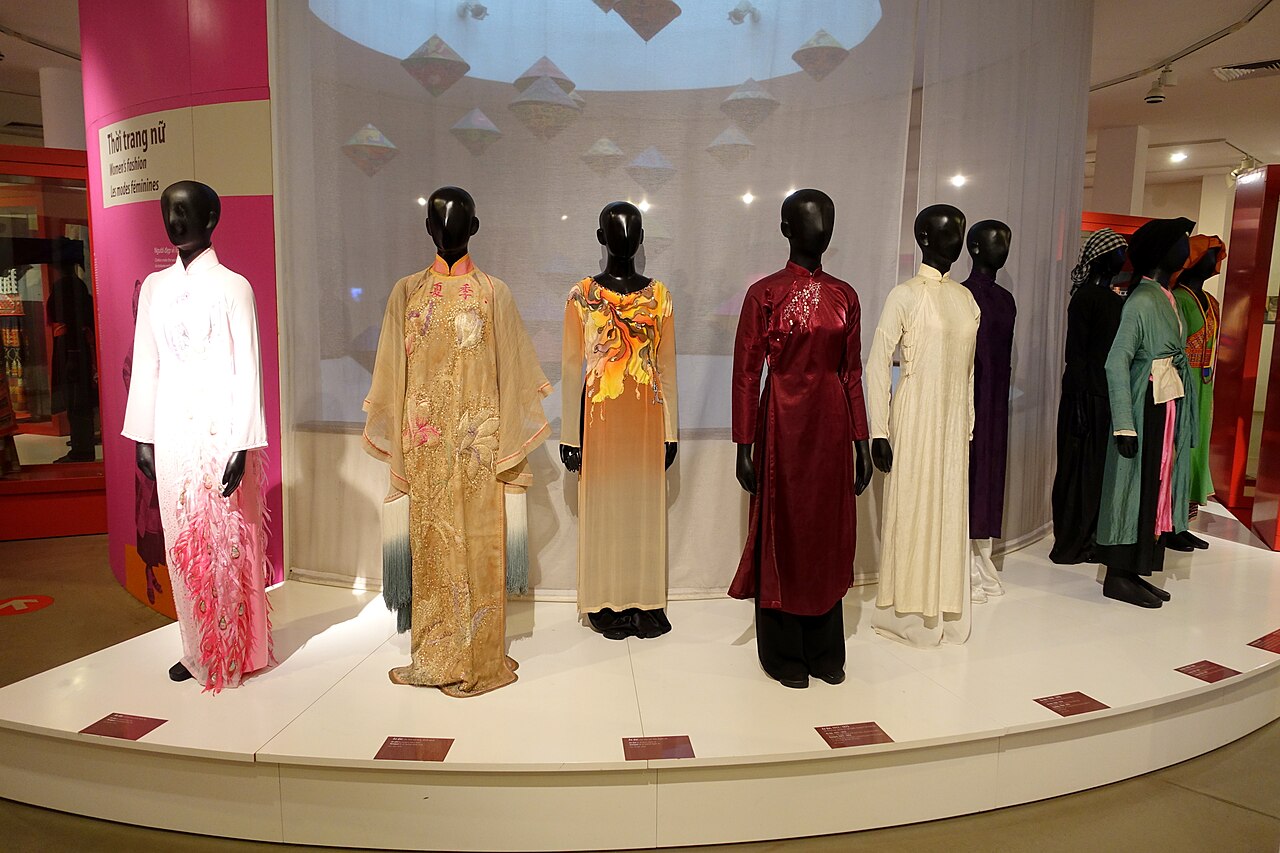
Vietnam has changed faster than almost any country on earth over the past three decades. Economic liberalisation, rapid urbanisation, and deep integration into global culture have transformed not just the economy but the way Vietnamese people relate to their bodies, their appearance, and their health. Nowhere is this transformation more visible — and more clinically consequential — than in dental aesthetics.
A generation ago, discoloured or misaligned teeth carried little social stigma in many parts of Vietnam. Dental care was functional at best: you went when something hurt, you extracted what could not be saved. Today, in Hanoi, Ho Chi Minh City, and Da Nang, a white and symmetrical smile has become a marker of education, ambition, and professional credibility. The shift has been driven by economics, media, and a series of profound cultural changes. Understanding those changes is essential context for any international patient considering dental work in Vietnam — and it explains why Vietnamese dental clinics, including Serenity International Dental Clinic, now deliver outcomes that rival any facility in the world.
1. White Smiles Have Become a Marker of Professional Success in Urban Vietnam
In Vietnam’s rapidly expanding professional class, appearance has taken on new significance. Research across Southeast Asian markets consistently shows that personal presentation — including dental aesthetics — is weighted heavily in hiring decisions and professional evaluations. In Vietnamese corporate culture, where face (mặt) and social reputation carry deep structural importance, a polished appearance is not vanity but social strategy.
The consequence for dentistry has been significant. Urban Vietnamese professionals are increasingly motivated to seek cosmetic dental treatment not purely for aesthetic satisfaction but as a career investment. Teeth whitening, veneers, and orthodontic alignment have moved from luxury services to expected components of a professional appearance in competitive urban environments.
This cultural pressure has driven the supply side of Vietnamese dentistry upward. Clinics serving an aspirational urban clientele have invested in digital smile design systems, premium ceramic materials, and clinician training programmes aligned with international aesthetic standards. The result is a market where quality follows demand — and demand has never been higher. Visit our services page to see the full range of aesthetic treatments available at Serenity International Dental Clinic.
2. The Rise of K-Pop and Korean Beauty Standards Has Driven Veneer Demand Among Young Vietnamese
No cultural force has done more to reshape Vietnamese aesthetic ideals over the past decade than Korean popular culture. K-pop, Korean dramas (K-dramas), and the broader Korean beauty (K-beauty) movement have achieved penetration in Vietnam that rivals any domestic cultural product. Among Vietnamese aged 15 to 35, Korean celebrities define contemporary beauty standards across every domain — skin, hair, fashion, and crucially, teeth.
Korean celebrity smiles — perfectly proportioned, brilliantly white, harmoniously framed — have created aspirational demand for a specific dental aesthetic that did not exist in Vietnam a decade ago. Porcelain veneers and ceramic crowns designed to produce the characteristically bright, even Korean celebrity smile have become among the most requested procedures at urban Vietnamese dental clinics.
This trend has had a measurable effect on the technical skill set of Vietnamese cosmetic dentists. Demand for precise aesthetic outcomes requires mastery of shade selection, smile design, and gingival contouring that was historically less emphasised in Vietnamese dental education. Clinics that have invested in meeting this demand — including through partnerships with Korean dental laboratories — have elevated the standard of cosmetic dentistry across the sector. Patients from abroad who might be sceptical about the quality of Vietnamese cosmetic dentistry are often surprised to find outcomes that match or exceed what they have seen in their home countries. See our dental costs page for current veneer pricing.
3. Traditional Betel Nut Chewing — Once Common — Has Declined Rapidly in Cities
For centuries, the chewing of betel nut (trầu cau) was deeply embedded in Vietnamese culture. Betel was consumed at weddings, offered as a gift, and used in religious ceremonies. The characteristic black or dark red staining it produced on teeth was, in traditional contexts, associated with maturity and cultural rootedness rather than stigmatised as a dental defect.
The decline of betel nut chewing in urban Vietnam over the past two decades has been dramatic. It is now largely confined to elderly rural populations and has essentially disappeared from cities as a regular practice. The drivers are both cultural and generational: younger urban Vietnamese associate betel staining with poverty and rural backwardness, while public health campaigns have emphasised its association with oral cancers and periodontal disease.
The clinical legacy of betel chewing, however, persists. Patients with a family history of betel use, or who themselves chewed into adulthood, often present with severe staining, gingival recession, and elevated rates of oral mucosal pathology. Managing this legacy is a component of the clinical workload at Vietnamese dental clinics that international patients — who rarely present with betel-related pathology — are unlikely to encounter at home. The decline of the practice represents a clear net gain for Vietnamese oral health epidemiology.
4. Social Media Has Accelerated Cosmetic Dental Awareness
Vietnam has one of the highest social media penetration rates in Southeast Asia. Facebook, TikTok, and Instagram command enormous daily engagement, and beauty and cosmetic content — including dental transformation videos — consistently ranks among the most viewed and shared material in these feeds.
The social media effect on dental demand has been measurable and rapid. Before-and-after veneer and whitening transformation content — typically featuring Vietnamese influencers or celebrities — has normalised cosmetic dentistry for a population that previously considered aesthetic dental treatment an indulgence reserved for the wealthy. When a Vietnamese lifestyle influencer with two million followers posts their veneer transformation alongside a price point that is accessible to middle-class consumers, it shifts the entire market’s awareness of what is possible and affordable.
For international patients exploring dental work in Vietnam, this social media environment has a direct practical benefit: the sheer volume of documented patient experiences — in Vietnamese, English, Russian, and Korean — makes independent research easier than for almost any other dental tourism destination. The transparency that social media demands of Vietnamese clinics is a quality assurance mechanism in its own right.
5. Vietnamese Families Now Invest in Children’s Orthodontics as a Priority
One of the most significant shifts in Vietnamese dental culture over the past decade is the change in attitude toward childhood orthodontics. A generation ago, crowded or misaligned teeth in children were largely accepted as an unalterable given. Orthodontic treatment was uncommon, expensive relative to incomes, and associated with Western countries or the very wealthy.
Today, Vietnamese middle-class families — particularly in urban areas — treat early orthodontic intervention as a routine investment in their children’s future. The cultural logic is straightforward: in a competitive society where educational and career outcomes depend partly on presentation and confidence, a straight smile is viewed as a foundational advantage. Parent-driven demand for children’s orthodontics has made braces and clear aligners among the fastest-growing segments of the Vietnamese dental market.
This shift has had important consequences for dental education and supply. Orthodontic case volume in Vietnamese clinics has increased dramatically, producing a generation of Vietnamese orthodontists with extensive clinical experience. Clinics like Serenity International Dental Clinic that offer Invisalign and fixed appliance orthodontics benefit from this pool of experienced practitioners. For international patients seeking orthodontic treatment, the combination of skilled clinicians and competitive pricing — see our dental costs page — makes Vietnam an increasingly compelling choice.
6. Wedding-Related Smile Makeovers Are a Growing Pre-Ceremony Trend
Vietnamese weddings are significant social events that command enormous investment in appearance. Photography and videography play a central role — Vietnamese couples routinely book elaborate pre-wedding photo shoots (ảnh cưới) months before the ceremony, and the resulting images are displayed prominently at the wedding and shared extensively on social media.
The visual prominence of the smile in wedding photography has created a booming demand for pre-wedding dental makeovers. Smile makeover packages — typically combining whitening, veneers, and sometimes minor gum reshaping — are now actively marketed by Vietnamese dental clinics targeting engaged couples in the months before their wedding date.
This trend has institutionalised a planning timeline that is useful for international patients to understand. Vietnamese couples typically begin their dental preparation three to six months before the wedding, allowing sufficient time for multi-stage treatment and healing. International patients seeking smile makeovers for significant life events — whether weddings, major career transitions, or personal milestones — benefit from this same planning window. Our blog contains detailed guides on treatment timelines for various procedures. Explore our full services page for smile makeover packages.
7. Vietnamese Dental Schools Now Train to International Aesthetic Standards
The transformation of Vietnamese dental culture would be impossible without a parallel transformation in dental education. Vietnamese dental schools — principally in Hanoi and Ho Chi Minh City — have undergone substantial curriculum reform over the past two decades, integrating international aesthetic standards, digital dentistry techniques, and evidence-based practice protocols that were previously absent from training programmes.
The drivers of this educational shift include: the influx of Vietnamese dentists trained abroad (particularly in France, the United States, South Korea, and Australia) returning home to practice and teach; institutional partnerships between Vietnamese dental schools and international universities; and the competitive pressure of a domestic market that increasingly demands international-quality aesthetic outcomes.
For patients from Australia, Europe, or North America who might wonder whether Vietnamese-trained dentists have the skills to deliver complex aesthetic work, the educational trajectory of the past two decades provides a clear answer. Senior clinicians at leading Vietnamese dental practices have often trained internationally and maintain continuing professional development through international conferences and academic networks. The staff at Serenity International Dental Clinic exemplify this profile — internationally trained, locally experienced, and delivering outcomes consistent with the best practices in global dentistry.
What This Means for International Patients
The cultural transformation of Vietnamese dental aesthetics has created a dental market with characteristics that are uniquely favourable for international patients. The domestic demand for high-quality aesthetic outcomes has driven clinic investment in premium equipment and materials. The social media environment has made quality and pricing transparent. The educational evolution of Vietnamese dentistry has produced a workforce capable of delivering complex procedures to international standards.
When you visit Serenity International Dental Clinic, you are accessing a dental system shaped by all seven of these cultural forces — a system that has been refined by the demands of millions of discerning Vietnamese patients before you. The result is dentistry that is not a compromise version of what you would receive at home, but a genuine peer of it, delivered at a fraction of the price.
To begin planning your treatment, explore our dental costs page, review your procedure options on our services page, and read our complete guide to dental work in Vietnam.
Related Articles
- Porcelain Veneers at Serenity International Dental Clinic
- Composite vs Porcelain Veneers in Vietnam 2026
- E.Max vs Zirconia Veneers in Vietnam 2026
- 10 Questions to Ask Before Getting Veneers in Vietnam
- 7 Professional Teeth Whitening Options in Vietnam
- 8 Reasons Adults Are Choosing Invisalign Over Metal Braces in 2026
- Dental Tourism ROI Calculator: How Much Will You Really Save?
- Da Nang Hotels Near Serenity International Dental Clinic

Reviewed for accuracy by Dr. Emily Nguyen, DDS — Implant & Cosmetic Dentistry
Founder and Principal Dentist of Picasso Dental, with 15+ years in implant surgery, periodontics and full-arch (All-on-4) rehabilitation. Read full bio
Last reviewed: September 27, 2026