Key answer
Vietnam visa 2026: 45-day visa-free for 39 countries, new UD1/UD2 digital nomad visas, e-visa from $25. Complete entry guide for dental tourists planning treatment in Hanoi.
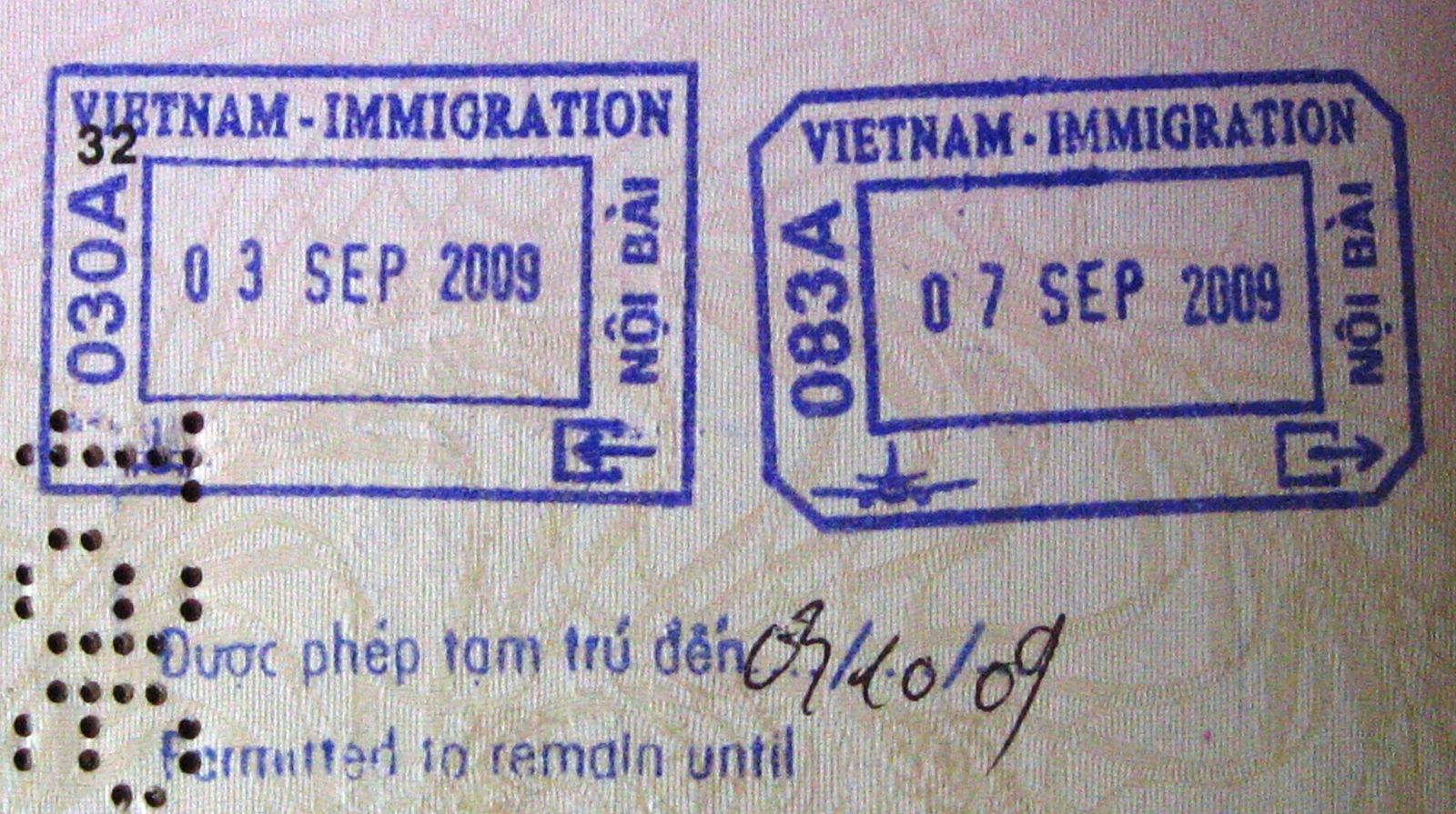
Vietnam has rolled out some of the most significant immigration reforms in its history, and 2026 is shaping up to be a landmark year for international travelers. Whether you are a remote worker eyeing Southeast Asia as your next base, a family planning a holiday, or someone considering a dental trip abroad, these changes make visiting Vietnam easier and more flexible than ever before.
Here is a comprehensive breakdown of every major visa update and what it means for your travel plans.
The New UD1 Visa: A Game-Changer for Digital Professionals
Starting July 1, 2026, Vietnam will introduce the UD1 visa, a dedicated visa category designed specifically for digital nomads, remote workers, and freelance professionals. This is a direct response to the growing wave of location-independent workers who have been flocking to cities like Hanoi, Da Nang, and Ho Chi Minh City over the past several years.
The UD1 visa offers stays of up to five years with multiple-entry privileges, allowing holders to come and go freely. Applicants will need to demonstrate proof of remote employment or freelance income, along with health insurance coverage valid in Vietnam. The exact income threshold has not been finalized at the time of writing, but early reports suggest it will be set at a level accessible to most established freelancers.
UD2 Visa for Family Members
Alongside the UD1, Vietnam is also introducing the UD2 visa for spouses and dependent children of UD1 holders. This means digital professionals can bring their families along without navigating separate, complicated visa processes. The UD2 mirrors the duration of the primary holder’s UD1, keeping families together for the full length of their stay.
Expanded Visa-Free Entry: 39 Countries Now Eligible for 45 Days
One of the most impactful changes actually took effect in August 2025, when Vietnam expanded its visa-free entry program to cover 39 countries. Citizens of these nations can now enter Vietnam without a visa and stay for up to 45 days, a significant increase from the previous 15-day or 30-day limits that applied to many nationalities.
The latest round of additions includes Belgium, Bulgaria, Croatia, Czech Republic, Hungary, Luxembourg, the Netherlands, Poland, Romania, Slovakia, Slovenia, and Switzerland. These join previously eligible countries such as Australia, the United Kingdom, France, Germany, Italy, Spain, Japan, South Korea, and the United States, among others.
For many travelers, 45 days is more than enough time for a holiday, a business trip, or even a dental treatment plan that involves an initial consultation, procedure, and follow-up.
E-Visa Expansion: 90-Day Multiple Entry for All Nationalities
Vietnam’s electronic visa system has undergone a major upgrade. The e-visa is now available to citizens of all countries worldwide, with options for single-entry or multiple-entry stays of up to 90 days. Previously, e-visas were limited to 30 days and restricted to citizens of roughly 80 countries.
Additionally, 41 new border gates have been approved for e-visa entry, bringing the total number of accepted checkpoints to over 90. This includes all major international airports, several land border crossings with Laos, Cambodia, and China, and select seaports.
Applying for an e-visa is straightforward. You complete the application online through Vietnam’s official immigration portal, upload a passport photo and a scan of your passport data page, pay the processing fee, and receive your approved e-visa by email within three business days.
Special Visas for Investors, Scientists, and Tech Experts
Vietnam is also rolling out a special visa category aimed at foreign investors, scientists, and technology experts. This visa can be granted for up to five years and offers streamlined processing with fewer bureaucratic hurdles. The goal is to attract high-value talent and capital to Vietnam’s rapidly growing tech and innovation sectors.
Visa Type Comparison Table
| Visa Type | Eligibility | Maximum Duration | Best For |
|---|---|---|---|
| Visa-Free Entry | Citizens of 39 eligible countries | 45 days | Short holidays, business trips, dental treatment visits |
| E-Visa (Single Entry) | All nationalities | 90 days | Extended travel, All-on-4 dental implant treatment with recovery time |
| E-Visa (Multiple Entry) | All nationalities | 90 days per entry | Patients needing multiple visits, frequent business travelers |
| UD1 (Digital Nomad) | Remote workers with proof of income | Up to 5 years | Long-term stays, digital professionals working remotely |
| UD2 (Dependent) | Spouses and children of UD1 holders | Matches UD1 duration | Families relocating with a remote-working partner |
| Special Visa | Investors, scientists, tech experts | Up to 5 years | High-value professionals and entrepreneurs |
What These Visa Changes Mean for Dental Tourism
Vietnam has emerged as one of the world’s leading destinations for affordable, high-quality dental care, and these visa reforms remove one of the last remaining barriers for international patients. Here is why the timing matters.
45-Day Visa-Free Access Is Perfect for Implant Patients
A typical dental implant treatment at a top Vietnamese clinic involves two visits. The first visit lasts five to seven days and covers the initial consultation, imaging, implant placement, and any necessary preparatory procedures like bone grafting. Patients then return three to five months later for the second visit, which takes three to five days, to have the permanent crown or bridge fitted.
With 45-day visa-free access, patients from any of the 39 eligible countries can comfortably complete either visit without applying for a visa at all. You simply book your flights, pack your bags, and go.
90-Day E-Visas for Extended Treatment Plans
For patients undergoing more complex procedures like All-on-4 dental implants or full-mouth rehabilitations that require extended healing time and multiple follow-up appointments, the 90-day e-visa is ideal. It provides enough time to complete the entire treatment in a single trip, avoiding the need for a return visit altogether.
Savings That More Than Cover the Trip
The cost savings on dental work in Vietnam are substantial. Patients routinely save 50 to 70 percent compared to prices in Australia, the United States, the United Kingdom, and Western Europe. Even after factoring in flights, accommodation, and meals, most patients come out significantly ahead financially, and they get to enjoy a remarkable country in the process.
Why International Patients Choose Picasso Dental Clinic in Hanoi
For patients traveling to Hanoi for dental treatment, Picasso Dental Clinic is one of the most trusted names in Vietnamese dentistry. The clinic caters specifically to international patients, with English-speaking staff, internationally trained dentists, and treatment protocols that meet global standards.
Picasso Dental Clinic operates two convenient branches in Hanoi:
- Old Quarter Branch: 16 Chau Long, Ba Dinh, Hanoi — located in the heart of the city, walking distance from many popular hotels and restaurants
- Westlake Square Branch: LKC22 Hoang Minh Thao, Bac Tu Liem, Hanoi — a modern facility in a newer district with easy parking and a spacious, comfortable environment
Both locations offer the full range of services, from single dental implants to full-arch All-on-4 restorations, porcelain veneers, and comprehensive dental check-ups. The clinic also assists international patients with appointment scheduling, treatment planning, and local recommendations for accommodation.
If you are considering combining dental treatment with a trip to Vietnam, get in touch with the team to discuss your options and receive a personalized treatment estimate. You can also read our complete dental tourism guide for Vietnam in 2026 for step-by-step planning advice.
How to Plan Your Dental Trip Under the New Visa Rules
- Check your eligibility: Determine whether your nationality qualifies for 45-day visa-free entry. If it does, you may not need to apply for anything at all.
- Assess your treatment timeline: For straightforward implants or cosmetic work, a visa-free stay is usually sufficient. For complex cases, apply for a 90-day e-visa to give yourself plenty of time.
- Book a virtual consultation: Many clinics, including Picasso Dental Clinic, offer online consultations so you can get a treatment plan and cost estimate before you travel.
- Arrange flights and accommodation: Hanoi’s Noi Bai International Airport receives direct flights from dozens of international destinations. Budget three to seven days for your first visit.
- Enjoy the trip: Vietnam offers incredible food, stunning landscapes, and a fascinating culture. Most dental tourists find that the trip itself is one of the highlights.
Frequently Asked Questions
Do Australian citizens need a visa to visit Vietnam in 2026?
No. Australian citizens are among the 39 nationalities eligible for visa-free entry for up to 45 days. If you need to stay longer, you can apply for a 90-day e-visa online before your trip.
Do American citizens need a visa to visit Vietnam in 2026?
No. United States passport holders also qualify for the 45-day visa-free entry program. For extended stays beyond 45 days, the 90-day e-visa is available to all nationalities and can be applied for online.
How do I apply for a Vietnam e-visa?
Visit Vietnam’s official e-visa portal, fill out the application form with your personal details and travel information, upload a passport-style photo and a scan of your passport data page, and pay the processing fee online. Approved e-visas are typically delivered by email within three business days.
Can I extend my stay in Vietnam if my dental treatment takes longer than expected?
Yes. Visa extensions are available through local immigration offices in Hanoi and other major cities. Your dental clinic or hotel can often assist with the extension process. Alternatively, if you anticipate a longer stay, applying for the 90-day e-visa from the outset is the simplest approach.
What documents do I need to enter Vietnam?
For visa-free entry, you need a passport valid for at least six months beyond your arrival date and a return or onward ticket. For an e-visa, you need the same passport validity plus your approved e-visa (printed or saved digitally). It is also advisable to carry proof of accommodation and travel insurance documentation, though these are not always checked at immigration.
Related Reading
- Vietnam Visa Guide
- Vietnam Fast Facts
- Medical Emergencies in Vietnam
- Vietnam Airlines Launches Hanoi–Amsterdam Direct Flights 2026
- Long Thanh International Airport Opens 2026
- 10 Reasons Hanoi Is Southeast Asia’s Best Dental Tourism Destination in 2026
- 14-Day Dental Tourism Itinerary: Vietnam 2026
- 8 Visa Tips for Dental Tourists Visiting Vietnam in 2026 — How the 2026 visa rule changes affect patients planning dental treatment trips to Vietnam.

Reviewed for accuracy by Dr. Emily Nguyen, DDS — Implant & Cosmetic Dentistry
Founder and Principal Dentist of Picasso Dental, with 15+ years in implant surgery, periodontics and full-arch (All-on-4) rehabilitation. Read full bio
Written by Lam Nguyen, Content Editor. Lam Nguyen is the content editor and has been working for Picasso Dental Clinic since 2013.
Last reviewed: October 25, 2026