Key answer
Vietnam's medical tourism market hit $700M in 2024, growing 18%/year. JCI accreditation, government investment, and 60–80% cost savings make it Asia's fastest-rising health tourism hub.
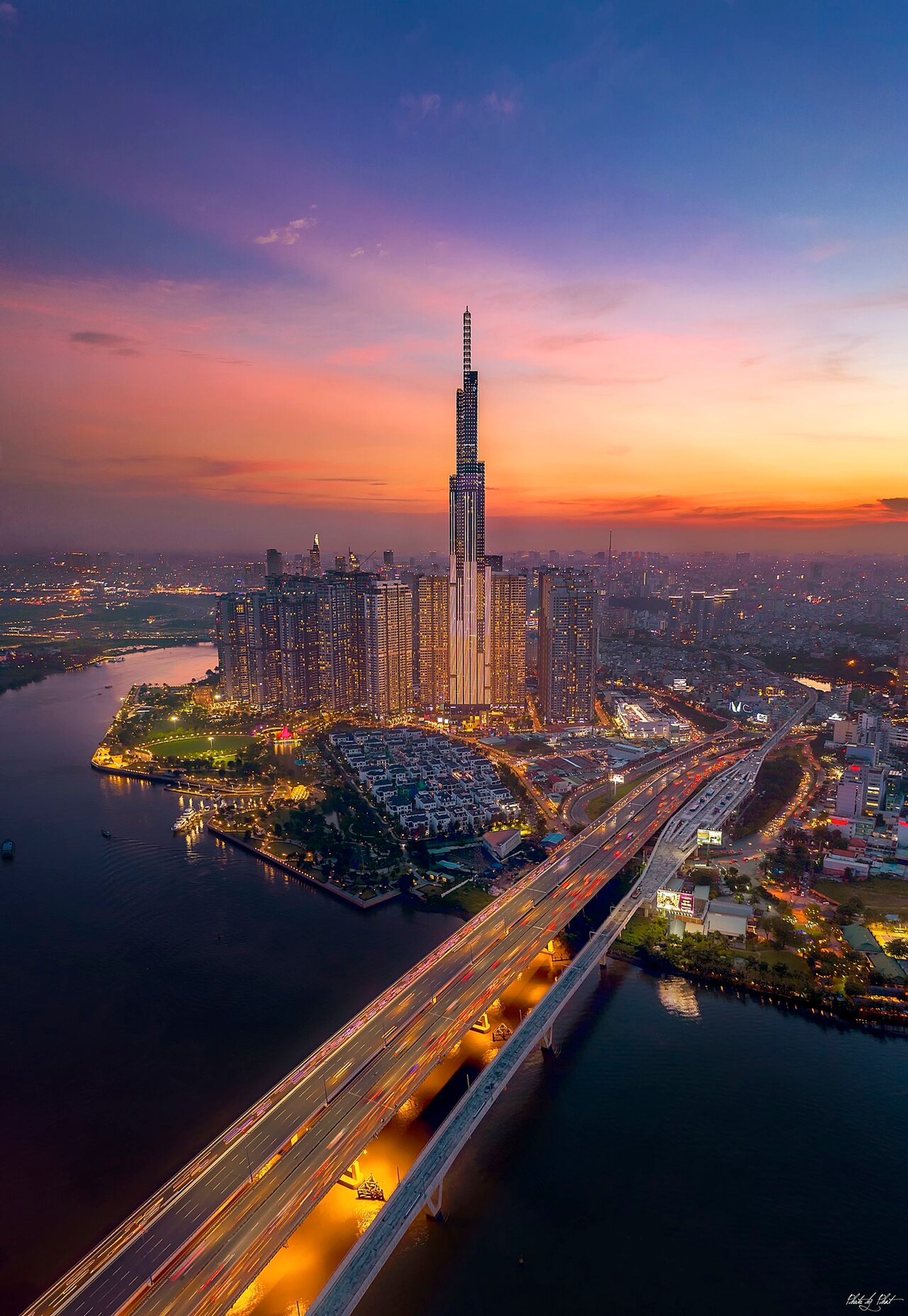
Vietnam’s medical tourism sector quietly crossed a milestone in 2024: revenues reached approximately USD 700 million, with analysts projecting the figure will surpass USD 850 million in 2025 — an 18% annual growth rate that outpaces most healthcare markets in Southeast Asia. For context, Thailand — long regarded as the region’s gold standard — generates between USD 600 million and USD 700 million per year. Malaysia earns USD 1.7 billion. South Korea USD 4.3 billion. Japan, the regional leader, USD 13 billion. Vietnam is not yet at the top of that ladder, but the pace of its climb is drawing serious attention from health economists, tourism planners, and international patients who are increasingly asking: why not Vietnam?
The answer, increasingly, is: there is no good reason not to.
Vietnam’s Medical Tourism Market: Where It Stands Today
The 700 million dollar figure reflects a market that was nearly dormant as recently as 2021. Pre-COVID, Vietnam attracted roughly 300,000 foreign medical visitors per year. The pandemic erased those numbers almost entirely. What has happened since is a textbook example of a sector rebuilding smarter than it was before.
A landmark event in January 2025 underscored how seriously Vietnam has upgraded its healthcare infrastructure: Ho Chi Minh City’s Blood Transfusion and Hematology Hospital became the first public hospital in Vietnam to achieve Joint Commission International (JCI) accreditation — and it did so with a score of 9.89 out of 10, a near-perfect result that places it among the highest-scoring JCI facilities anywhere in the world.
JCI accreditation is the international benchmark for hospital quality. It signals to international patients that a facility meets the same safety and care standards they would expect in the United States, Western Europe, or Australia. The significance of a public hospital — not a private one — reaching this standard cannot be overstated. It signals that quality is spreading beyond the premium private sector into the broader system.
The government’s 2025–2030 national plan targets 15 hospitals achieving international accreditation, with a minimum of five being public institutions. The Ministry of Health has signed a memorandum of understanding with the Ministry of Culture, Sports and Tourism to develop coordinated medical tourism products, multi-language marketing units, and simplified visa procedures for medical visitors.
How Vietnam Compares to Regional Competitors
| Country | Medical Tourism Revenue | JCI-Accredited Hospitals | Relative Cost Index |
|---|---|---|---|
| Vietnam | ~USD 700M (2024) | Growing rapidly | Low (benchmark) |
| Thailand | USD 600–700M | 67 | Medium |
| Malaysia | USD 1.7B | 16 | Medium |
| South Korea | USD 4.3B | 100+ | Medium-High |
| Japan | USD 13B | 90+ | High |
Vietnam’s cost advantage is its most immediate differentiator. For a significant segment of international patients, the decision to travel for care is primarily economic. Vietnam delivers — and it does so without sacrificing clinical outcomes in an expanding range of specialties.
What Procedures Are Drawing International Patients?
Dental care is the most established driver of Vietnam’s inbound medical tourism. A single dental implant in Vietnam costs a fraction of equivalent treatment in the United States. A full-arch restoration that would cost tens of thousands of dollars in North America or Western Europe can be completed in Hanoi or Ho Chi Minh City for far less. See current pricing at picassodental.vn/dental-costs.
Assisted reproduction (IVF) has emerged as one of the fastest-growing categories. A full IVF cycle in Vietnam runs USD 5,000–8,000 — typically two to three times less expensive than equivalent treatment in Western countries — at clinics whose embryology labs meet international standards.
Cardiovascular surgery, orthopedic procedures, and cancer treatment are attracting patients from neighboring countries across Southeast Asia and from the Vietnamese diaspora in the United States, Australia, France, and Germany. Many of these patients are seeking care at institutions now pursuing or holding international accreditation.
Cosmetic surgery and aesthetic medicine round out the picture, with Ho Chi Minh City in particular developing a reputation for high-volume, competitively priced procedures performed by surgeons trained in South Korea, France, and Japan.
Traditional Vietnamese medicine — acupuncture, herbal therapy, and wellness retreats — continues to attract visitors seeking integrative care experiences unavailable at home.
Government Strategy: The 2025–2030 National Plan
Deputy Minister of Health Prof. Dr. Tran Van Thuan has described medical tourism as “a strategic pathway that combines high-quality medical care with attractive travel experiences.” That framing — care and experience together — reflects a deliberate shift in how Vietnam positions itself internationally.
Minister of Health Dao Hong Lan put it plainly: “Vietnam’s healthcare system has made major achievements that form a strong cornerstone for building a medical tourism industry.” The 2025–2030 plan operationalizes that foundation with specific targets: international accreditation for 15 hospitals, dedicated medical tourism zones in key cities, streamlined medical visa processing, and coordinated marketing campaigns in key source markets including South Korea, Japan, China, the United States, and the European Union.
Three-language marketing units — Vietnamese, English, and the primary language of each target market — are being established to reduce the information barrier that has historically discouraged first-time medical visitors.
Critically, the government is also addressing the other side of the equation: the 40,000 high-income Vietnamese who currently travel abroad each year for medical treatment. Retaining even a fraction of that outbound spend while growing inbound arrivals is a central goal of the national strategy.
Dental Tourism at Picasso Dental Clinic in Hanoi
For international patients whose primary motivation is dental care, Picasso Dental Clinic in Hanoi represents the kind of premium, internationally oriented practice that Vietnam’s medical tourism strategy is built around.
Founded and led by Dr. Emily Nguyen DDS, Picasso Dental has treated more than 70,000 patients from 62+ countries. Implant systems used are exclusively Straumann and Nobel Biocare — the same Swiss brands found in top clinics in the United States, Germany, and Australia.
Dental implant costs at Picasso Dental are 50–70% lower than equivalent treatment in Western countries, with no compromise on materials, imaging technology, or clinical protocols. Infection control follows ADA and WHO guidelines. The team communicates fluently in English, making the patient journey — from initial inquiry through treatment and aftercare — straightforward for international visitors.
View our full dental cost guide or contact us directly to receive a personalized treatment plan before you travel.
The Road to USD 4 Billion by 2033
IMARC Group’s projection of USD 3.7–4 billion in Vietnamese medical tourism revenue by 2033 is not a bullish outlier — it reflects compounding effects that are already visible: accelerating accreditation, government coordination between health and tourism ministries, rising clinical talent, and a cost structure that will remain competitive for at least a decade even as quality continues to improve.
Dr. Ha Anh Duc, cited in government health ministry briefings, pointed to reduced wait times and competitive pricing as the twin advantages that make Vietnam increasingly attractive to international patients making a first-time decision about where to seek care abroad.
The trajectory from USD 700 million to USD 4 billion over nine years requires sustained 18–20% annual growth — exactly the rate Vietnam has been achieving. If the 2025–2030 national plan is executed with consistency, the projection is conservative rather than optimistic.
Vietnam is no longer watching the medical tourism race from the sidelines. It is running — and the pace is accelerating.
Planning dental treatment in Hanoi? Contact Picasso Dental Clinic to speak with our international patient coordinator and receive a detailed treatment plan and cost estimate.
Related Reading
- Vietnam’s Dental Tourism Market Set to Reach USD 5.5 Billion by 2030 — Market size projections for Vietnam’s dental services sector through 2030
- Vietnam Dental Tourism Facts and Figures 2014 — The growth story of Vietnam’s dental tourism from its early years to today
- Vietnam’s Affordable Healthcare: Ready for Global Health Tourism — How Vietnam’s costs compare to Singapore, Thailand, and Western countries
- Vietnam: A Rising Star on the Global Dental Tourism Map
- 6 Reasons Dental Tourism to Vietnam Has Grown 40% Since 2022
- 5 Reasons Expats Living in Vietnam Choose Serenity International Dental Clinic
- 10 Reasons Dental Implants in Hanoi Cost 70% Less Than in Australia
- Dental Work in Vietnam for Australians: Complete Cost Savings Guide
- When Should You Get Dental Treatment Done in Vietnam
- Dental Work in Vietnam From A to Z
- What to Pack for Dental Tourism in Vietnam: The Complete List
- Travel Insurance for Dental Work Abroad: What You Need to Know
- 7 Reasons Combining a Vietnam Holiday With Dental Treatment Makes Perfect Sense
- Complete Dental Tourism Guide to Vietnam 2026 — Full planning guide for international patients visiting Vietnam for dental care
- Dental Costs in Vietnam — Current pricing for all major treatments at Picasso Dental Clinic

Reviewed for accuracy by Dr. Emily Nguyen, DDS — Implant & Cosmetic Dentistry
Founder and Principal Dentist of Picasso Dental, with 15+ years in implant surgery, periodontics and full-arch (All-on-4) rehabilitation. Read full bio
Last reviewed: September 27, 2026