Key answer
Discover the top 10 experiences in Vietnam, from Ha Long Bay cruises to street food tours. The perfect activity guide for dental tourists visiting Vietnam.
Vietnam offers an extraordinary range of experiences for visitors, from stunning natural landscapes and ancient cultural sites to world-class cuisine and vibrant city life. Whether you are visiting for dental treatment and want to make the most of your time, or planning a dedicated vacation, these ten experiences represent the very best of what Vietnam has to offer. For UNESCO World Heritage Sites, see our dedicated guide.
1. Cruise Ha Long Bay
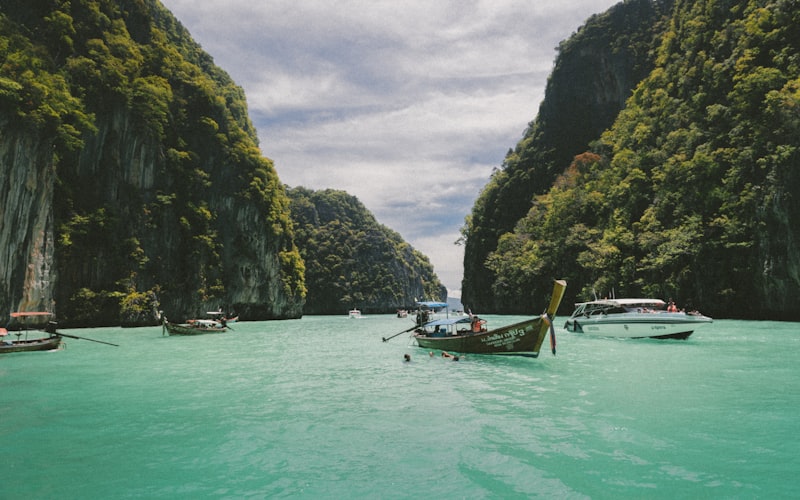
Ha Long Bay is Vietnam’s crown jewel, a UNESCO World Heritage Site featuring nearly 1,600 limestone islands rising from emerald waters. An overnight cruise is the best way to experience the bay, allowing you to:
- Watch the sun set and rise over the dramatic karst formations
- Explore hidden caves and grottos by kayak
- Visit floating fishing villages
- Enjoy fresh seafood prepared on board
- Swim in the calm, clear waters of secluded coves
Luxury cruises depart from Hai Phong or Ha Long City, approximately 2.5 to 3 hours from Hanoi. Two-day, one-night cruises are the most popular option, though three-day itineraries allow you to explore the less-visited Bai Tu Long Bay.
2. Explore Hanoi’s Old Quarter
Hanoi’s Old Quarter is a maze of narrow streets, each historically named for the trade goods sold there – Silk Street, Silver Street, Paper Street, and dozens more. Walking through the Old Quarter is a sensory experience unlike any other, with:
- Street vendors selling steaming bowls of pho and bun cha
- Traditional shops selling silk, lacquerware, and handcrafted goods
- Ancient temples and communal houses tucked between buildings
- The lively weekend night market on Hang Dao Street
- Hoan Kiem Lake, the spiritual heart of Hanoi, at the southern edge of the quarter
The best way to experience the Old Quarter is on foot or by cyclo (bicycle rickshaw), allowing you to absorb the atmosphere at a leisurely pace.
3. Take a Vietnamese Cooking Class
Vietnamese cuisine is one of the world’s great culinary traditions, and a cooking class is one of the most enjoyable ways to learn about it firsthand. Classes typically begin with a visit to a local market to purchase fresh ingredients, followed by hands-on preparation of classic dishes such as fresh spring rolls, pho, and Vietnamese pancakes (banh xeo).
Cooking classes are available throughout Vietnam, with popular options in Hanoi, Hoi An, and Ho Chi Minh City. Most classes accommodate all skill levels and dietary requirements.
4. Visit the Ancient Town of Hoi An
Hoi An is a perfectly preserved trading port that feels like stepping back in time. This UNESCO World Heritage Site on the central coast is famous for:
- Hundreds of well-preserved merchant houses, temples, and assembly halls
- The iconic Japanese Covered Bridge
- Nightly lantern displays that transform the town into a magical scene
- World-renowned tailoring shops that can produce custom suits, dresses, and shoes in 24 to 48 hours
- Beautiful An Bang and Cua Dai beaches just minutes from town
Hoi An is accessible via a short flight from Hanoi to Da Nang, followed by a 30-minute drive.
5. Ride a Motorbike Through the Northern Mountains
Vietnam’s northern highlands offer some of the most dramatic mountain scenery in Southeast Asia. The winding roads through Ha Giang, Sapa, and Mu Cang Chai pass through terraced rice paddies, remote ethnic minority villages, and towering mountain passes.
Options include:
- Ha Giang Loop: A 3 to 4 day motorbike journey through Vietnam’s most spectacular mountain scenery, often called one of the greatest road trips in Asia
- Sapa trekking: Multi-day treks through rice terraces and ethnic minority villages with homestay accommodation
- Mu Cang Chai: Stunning terraced rice fields that are most photogenic during September and October
For those uncomfortable riding a motorbike, guided tours with an experienced driver (riding on the back) are widely available.
6. Experience Vietnamese Street Food
Vietnam’s street food culture is legendary, and eating at roadside stalls is one of the most authentic ways to experience the country. Must-try experiences include:
- A morning bowl of pho from a decades-old Hanoi stall
- Bun cha (grilled pork with noodles) in the Old Quarter
- Banh mi from a busy street vendor
- Fresh spring rolls (goi cuon) at any roadside restaurant
- Egg coffee (ca phe trung) at a traditional Hanoi coffee shop
- Che (sweet dessert soup) from a street vendor in Ho Chi Minh City
Guided street food tours are available in all major cities and are excellent for first-time visitors who want an introduction to the cuisine.
7. Explore the Cu Chi Tunnels
The Cu Chi Tunnels near Ho Chi Minh City are an extensive network of underground tunnels used by the Viet Cong during the Vietnam War. Stretching over 250 kilometers, the tunnel system included living quarters, hospitals, kitchens, and command centers. Visitors can:
- Crawl through widened sections of the original tunnels
- See original booby traps and defensive structures
- Learn about the ingenuity and resilience of the Vietnamese fighters
- Try shooting at a firing range (optional)
The Cu Chi Tunnels are located about 70 kilometers northwest of Ho Chi Minh City and can be visited as a half-day excursion.
8. Relax on Vietnam’s Beaches
Vietnam’s 3,400-kilometer coastline offers beautiful beaches for every preference:
- Phu Quoc Island: Vietnam’s largest island, known for pristine beaches, coral reefs, and luxury resorts
- Nha Trang: A popular coastal city with clear waters and excellent diving
- Da Nang: Long stretches of uncrowded beach within a modern city
- Mui Ne: Famous for its sand dunes and kite surfing
- Con Dao Islands: Remote, unspoiled islands with crystal-clear waters and abundant marine life
9. Tour the Imperial City of Hue
The former imperial capital of Vietnam, Hue is a city steeped in history and refined culture. A visit to Hue should include:
- The magnificent Imperial Citadel and Forbidden Purple City
- A boat cruise on the Perfume River
- Visits to the elaborate royal tombs, particularly Tu Duc and Khai Dinh
- The iconic Thien Mu Pagoda
- Sampling Hue’s renowned royal cuisine, considered the most sophisticated in Vietnam
Hue is accessible from Hanoi by a one-hour flight or a scenic overnight train journey.
10. Experience Saigon’s Energy
Ho Chi Minh City (still widely called Saigon by locals) is Vietnam’s largest and most dynamic city. The experience includes:
- The historic Reunification Palace and War Remnants Museum
- The ornate Notre-Dame Cathedral and Central Post Office
- The bustling Ben Thanh Market
- Rooftop bars with panoramic city views
- A thriving craft beer and coffee scene
- District 1’s vibrant nightlife
The contrast between Saigon’s modern skyscrapers and its historic colonial architecture creates a fascinating urban landscape.
Planning Your Activities Around Dental Treatment
If you are visiting Vietnam for dental treatment at Serenity International Dental Clinic in Hanoi, many of these experiences can be easily incorporated into your trip:
- Between appointments: Explore Hanoi’s Old Quarter, take a cooking class, or visit the Ho Chi Minh Mausoleum complex. In 2026, the Hanoi Tourism Festival offers new green and digital experiences worth checking out
- Recovery days: Gentle activities like a cyclo tour, museum visit, or lake-side coffee
- Extended stay: Add a Ha Long Bay cruise, Sapa trek, or flights to Hoi An or Ho Chi Minh City
Frequently Asked Questions
What is the best time to visit Vietnam?
Vietnam can be visited year-round, but the best overall period is October to April for northern Vietnam and February to May for central Vietnam. Southern Vietnam has warm weather year-round.
Is Vietnam safe for tourists?
Vietnam is considered one of the safest countries in Southeast Asia for tourists. Petty theft (bag snatching) can occur in cities, but violent crime against tourists is very rare.
Do I need a visa to visit Vietnam?
Visa requirements depend on your nationality. Citizens of many countries enjoy visa-free entry for 15 to 45 days. E-visas are available for longer stays. Check current requirements before your trip, and review the 2026 Vietnam visa changes for the latest updates.
How expensive is Vietnam for tourists?
Vietnam offers excellent value. Budget travelers can manage on $30 to $50 USD per day, while mid-range travelers typically spend $50 to $100 USD per day. Luxury experiences are available at a fraction of what they cost in Western countries.
Related Reading
- Top 10 Must-Visit Attractions in Hanoi — Detailed guide to Hanoi sightseeing
- Ho Chi Minh Mausoleum — Guide to visiting Hanoi’s most iconic landmark
- Top 5 Must-Do in Ho Chi Minh City — Activities in Vietnam’s largest city
- Complete List of Vietnam UNESCO World Heritage Sites — Cultural and natural treasures across Vietnam
- 5 Must-Try Vietnamese Dishes — The food experiences you cannot miss
- Top 3 Luxury Resorts in Vietnam — World-class resort stays to complement your trip
- Dental Work in Vietnam — Combine these activities with affordable dental care
- Complete Dental Tourism Guide to Vietnam 2026 — Plan a trip that includes treatment and tourism
- Long Thanh International Airport Opens in 2026 — Vietnam’s new major airport near Ho Chi Minh City
- Ao Dai: The Traditional Vietnamese Dress
- Vietnam Fast Facts
- Hanoi Ranked 4th Best Destination in the World — TripAdvisor 2026

Reviewed for accuracy by Dr. Emily Nguyen, DDS — Implant & Cosmetic Dentistry
Founder and Principal Dentist of Picasso Dental, with 15+ years in implant surgery, periodontics and full-arch (All-on-4) rehabilitation. Read full bio
Written by Lam Nguyen, Content Editor. Lam Nguyen is the content editor and has been working for Picasso Dental Clinic since 2013.
Last reviewed: September 27, 2026