Key answer
Best All-on-4 dental implant clinics in Vietnam 2026. Ranked by implant brand, surgeon experience, and verified patient reviews across Hanoi, Da Nang & HCMC.
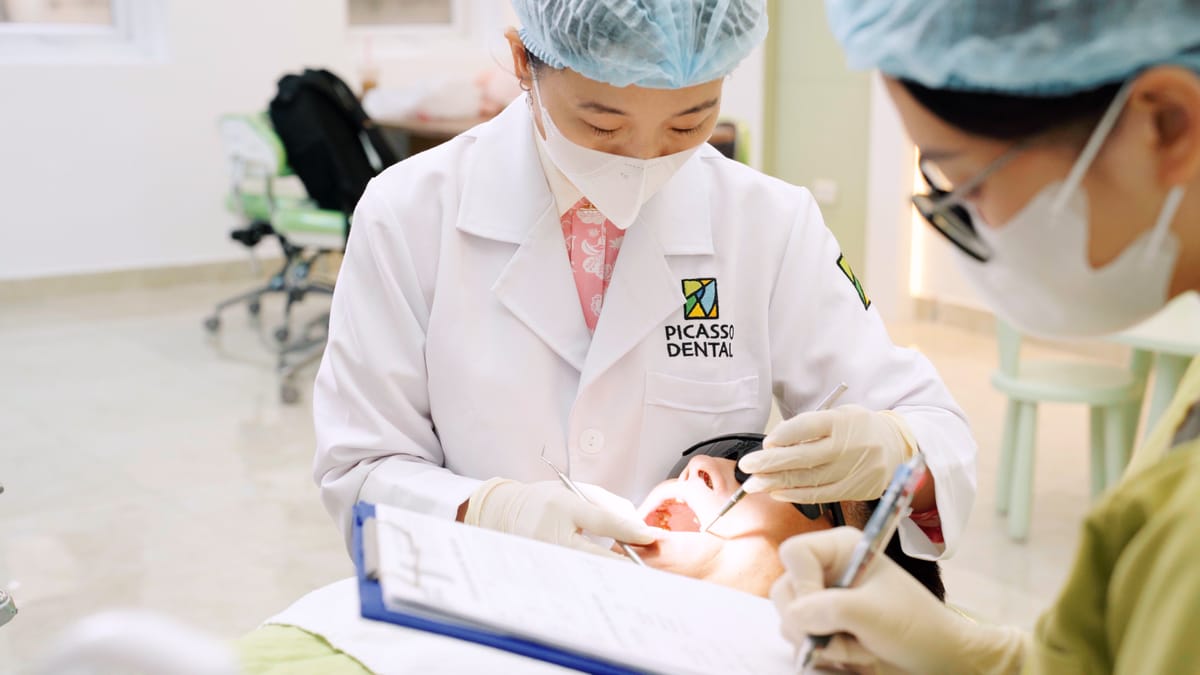
All-on-4 dental implants have transformed the lives of millions of people worldwide who were living with dentures, failing teeth, or significant tooth loss. By anchoring a complete, fixed set of teeth to just four strategically placed implants, the All-on-4 technique delivers a permanent, natural-looking smile that patients can eat with, laugh with, and live with confidently — no more denture adhesives, no more removable plates, no more dietary restrictions.
Vietnam has rapidly become one of the world’s most important destinations for All-on-4 treatment. The combination of highly trained implantologists, access to Straumann, Nobel Biocare, and Osstem implant systems, state-of-the-art digital planning technology, and prices that are 70% to 80% lower than in Australia, the USA, and the UK has made Vietnamese clinics the first choice for tens of thousands of international patients every year. A procedure that costs a substantial sum per arch in the United States can be completed in Vietnam for a fraction of the price — saving a full-mouth patient a significant amount even after accounting for flights and accommodation. See picassodental.vn/dental-costs for exact current pricing.
This guide ranks the top 10 clinics in Vietnam for All-on-4 dental implants in 2026, with clinic profiles, a detailed cost comparison table, and eight substantive FAQ answers for patients considering this life-changing treatment.
What Is All-on-4 and How Does It Work?
All-on-4 is a full-arch implant protocol originally developed by Nobel Biocare and the Portuguese implantologist Dr. Paulo Malo in the 1990s. The technique uses four dental implants per arch — two placed vertically at the front of the jaw and two placed at an angle of 30 to 45 degrees at the rear — to support a complete fixed bridge of 10 to 14 teeth. The angled rear implants are the key innovation: by tilting them, the surgeon can find longer bone contact in the available bone without needing to graft new bone, which makes the procedure suitable for many patients who have already experienced some bone resorption.
On the day of surgery, patients receive a temporary fixed bridge — their “same-day teeth” — which is worn during the osseointegration period (3 to 6 months) while the implants bond with the bone. Once osseointegration is confirmed by X-ray, the patient returns for the permanent prosthesis: typically a zirconia or acrylic-resin bridge that is custom-fabricated to match the patient’s facial profile, skin tone, and aesthetic preferences.
All-on-4 is most appropriate for patients who need to replace all teeth in one or both arches. It is not suitable for patients who have only a few missing teeth — for those cases, individual dental implants or implant-retained dentures may be more appropriate.
What Makes a Great All-on-4 Clinic?
Selecting the right clinic for All-on-4 treatment is the most important decision you will make. Key factors to evaluate:
- Implant system quality: Straumann, Nobel Biocare, and Osstem are the three globally respected options. Avoid clinics that cannot name the specific implant brand and model they will use, or that use unfamiliar brands with no international clinical research behind them.
- CBCT scanning and guided surgery: Precision placement is essential in All-on-4. Top clinics use 3D CBCT scanning to map the anatomy and create surgical guides — 3D-printed templates that ensure each implant is placed exactly as planned.
- Same-day teeth: The ability to place a stable, aesthetic temporary bridge on the day of surgery is standard at quality clinics. Be cautious of any clinic that requires a gap of days or weeks before the temporary prosthesis is fitted.
- Prosthetic options: The final bridge should be available in at least two options — zirconia (the strongest and most aesthetic, ideal for long-term use) and acrylic-resin hybrid (a more affordable option that can be replaced with zirconia later). Clinics with in-house milling capabilities produce prosthetics faster and with better quality control.
- Specialist training: All-on-4 is a specialist procedure. The lead clinician should be a trained oral surgeon, maxillofacial surgeon, or periodontist with documented experience in full-arch implant cases — not a general dentist occasionally performing implants.
- International patient support: For overseas patients, a dedicated English-speaking coordinator, transparent pricing in USD or your home currency, written treatment plans before work begins, and assistance with accommodation are essential.
- Warranty: Reputable clinics offer explicit warranties on implants (backed by the manufacturer) and on prosthetic work. Get the warranty terms in writing before you commit.
Top 10 Clinics in Vietnam for All-on-4 Dental Implants
1. Picasso Dental Clinic
Locations:
- Hanoi Old Quarter: 16 Chau Long, Ba Dinh, Hanoi
- Hanoi Westlake Square: LKC22 Hoang Minh Thao, Bac Tu Liem, Hanoi
- Da Nang: 420 Hoang Dieu, Binh Thuan, Hai Chau, Da Nang
- Ho Chi Minh City: 25B Nguyen Duy Hieu, Phuong Thao Dien, Quan 2
- Da Lat: 55 Ha Huy Tap Street, Ward 3, Da Lat
- Book online: ehr.picassodental.vn/book
- Patient volume: 70,000+ patients treated
Picasso Dental Clinic is Vietnam’s leading destination for All-on-4 dental implants, combining clinical excellence with the most extensive multi-city network of any implant clinic in the country. With five locations across Hanoi, Da Nang, Ho Chi Minh City, and Da Lat, Picasso Dental Clinic gives international patients unmatched flexibility to choose where to begin and complete their treatment.
Every All-on-4 case at Picasso Dental Clinic is driven by a rigorous digital workflow:
- Pre-treatment CBCT 3D scan: Produces a complete 3D map of the jaw, identifying bone volume, nerve positions, and anatomical structures relevant to safe implant placement.
- Digital implant planning: Software is used to plan the precise angle, depth, and position of all four implants for each arch, maximizing bone contact and functional load distribution.
- 3D-printed surgical guide: A custom guide is fabricated from the digital plan and used during surgery to ensure that every implant is placed exactly as designed — within 0.5 mm accuracy.
- Same-day teeth: A high-quality temporary acrylic bridge is fixed to the implants on the day of surgery. Patients leave the clinic with a complete, functional, aesthetic set of teeth.
- Final prosthesis: After osseointegration (3 to 6 months), patients return for their permanent prosthesis. Options include a high-translucency full-arch zirconia bridge, a layered zirconia bridge for maximum aesthetic refinement, or a high-impact acrylic-resin hybrid bridge for budget-conscious patients.
The implant team uses Straumann (Switzerland), Nobel Biocare (Switzerland), and Osstem (South Korea) systems, and the recommended brand for each patient is determined by bone anatomy, prosthetic design, and patient preference. All implants come with the manufacturer’s warranty and certification.
Pricing depends on the implant system and final prosthesis material chosen, as well as whether additional crowns are needed as part of a broader full mouth reconstruction. See picassodental.vn/dental-costs for current All-on-4 pricing at Picasso Dental Clinic.
International patients receive a dedicated English-speaking coordinator who manages the entire process — from the first online inquiry to airport transfers, accommodation recommendations, surgery scheduling, and aftercare documentation for their home-country dentist. Written, itemized treatment plans in USD are provided before any work begins. The clinic’s guarantee program covers all implant and prosthetic work with explicit warranty terms.
See All-on-4 dental implants for the full service overview, and picassodental.vn/dental-costs for a complete pricing reference.
Editorial Methodology: Why We Only Rank One Clinic in Full Detail
We publish first-party data — verifiable addresses, clinician credentials, implant-brand provenance, patient volume, Google review counts, warranty terms — for Picasso Dental Clinic because we can stand behind every claim. For other clinics operating in Hanoi, Ho Chi Minh City, and Da Nang, we have chosen not to publish ranked comparisons until we can verify the same categories of first-party data for each.
This editorial decision follows guidance from Google’s quality rater guidelines on aggregator and comparison content, which requires differentiated, originally-researched information for each listed item. Many dental tourism “top 10” lists circulating online fabricate competitor entries from public snippets; we will not do that.
How to Independently Evaluate Other Clinics
If you want to compare Picasso Dental Clinic against other options in the same city, use this verification checklist for every clinic you consider:
Clinical verification:
- Exact street address (not just a district name) — cross-check on Google Maps and verify the listed building actually houses the clinic.
- Named lead dentist with credentials — ask for the dentist’s dental registration number, where they obtained their DDS, and any postgraduate training in the specific procedure you need (implantology, prosthodontics, orthodontics).
- Implant or restoration brand provenance — request the sealed manufacturer packaging photo and serial/lot numbers for any implant, abutment, or zirconia disc used. Genuine Straumann, Nobel Biocare, and Ivoclar products are traceable by lot.
- CBCT/3D imaging on-site — ask to see the machine brand (Planmeca, Carestream, Vatech). Clinics outsourcing imaging to third-party radiology labs have slower workflows.
- Sterilization protocol evidence — ask for a walkthrough of the autoclave room and spore-test certification logs. Class B autoclaves with independent spore testing are the standard.
Trust verification: 6. Google Business Profile review count and average — read the lowest-star reviews, not the highest. Look for clinical specifics, not just platitudes. 7. Written warranty terms — request the warranty document in English before booking. Confirm what happens if you are overseas when a crown debonds or an implant fails. 8. Accreditation documents — any claim of international accreditation (JCI, ISO 9001, GCR) must come with a document you can independently verify through the issuing body. 9. Insurance and complication protocol — ask: if a complication occurs during your trip, which hospital does the clinic refer to, and is there a written complication reimbursement policy? 10. Independent patient references — request to speak with two recent international patients treated for the same procedure. A clinic confident in its outcomes will facilitate this.
Our Verified Data Sources for Picasso Dental Clinic
- Patient volume figures (70,000+ treated) — verifiable on the Picasso Dental Clinic Google Business Profile.
- Clinician credentials — Meet Our Team lists each dentist with their DDS, specialty, and postgraduate training.
- Implant-brand authenticity — Picasso publishes sterilization and authenticity protocols including a sample of sealed-packaging traceability.
- Warranty terms — full warranty document at Guarantee Program.
- Pricing transparency — all prices at picassodental.vn/dental-costs reflect current 2026 rates with no hidden fees.
If you prefer to compare multiple clinics yourself before contacting us, we recommend starting with Google Business Profile review volume as a baseline filter (look for 500+ reviews accumulated over several years, not a recent burst).
All-on-4 Cost Comparison: Vietnam vs. Other Countries
Vietnam is typically far more affordable than the United States, Australia, and the United Kingdom for All-on-4 treatment, and remains competitively priced against other established dental tourism destinations such as Thailand, Mexico, and Turkey. Vietnam consistently delivers the best value globally for All-on-4 treatment when the quality of implant systems, clinical expertise, and patient experience are factored into the comparison. See our full price comparison at picassodental.vn/dental-costs, and for a full global analysis, see cheapest countries for All-on-4 dental implants 2026.
Frequently Asked Questions About All-on-4 in Vietnam
Am I a good candidate for All-on-4?
All-on-4 is appropriate for patients who are missing all teeth in one or both arches, have failing dentition requiring full extraction, or are currently wearing full dentures and want a fixed alternative. The procedure is also suitable for many patients with moderate bone loss because the angled rear implants can utilize available bone without requiring grafting. You do not need to have a full set of bone height to qualify. However, patients with severe bone loss in specific locations may need bone grafting before implants can be placed — the CBCT scan will determine this. Good general health is required; patients with uncontrolled diabetes, autoimmune conditions, or active smoking have a higher implant failure risk and need to discuss this with the implant surgeon. To find out if you are a candidate, share your current X-rays or photographs with the clinic and request a free online consultation. See are you a candidate for All-on-4 for detailed eligibility criteria.
How long do All-on-4 implants last?
When placed at a reputable clinic using a premium implant system and maintained with proper oral hygiene, All-on-4 implants are designed for long-term use, and success rates are generally high with proper care and regular maintenance. The prosthesis (the bridge attached to the implants) has a more limited lifespan. An acrylic-resin hybrid bridge typically needs replacement or major refurbishment after 10 to 15 years. A zirconia bridge is significantly more durable — with proper care, a monolithic zirconia bridge can last 20 years or more. The long-term success of All-on-4 depends critically on regular professional maintenance, including professional cleaning around the implant abutments every 6 months, and adherence to dietary guidelines (avoiding extremely hard foods that could fracture the prosthesis).
What happens if an implant fails?
Implant failure after All-on-4 surgery is uncommon with premium systems placed by experienced surgeons. However, when it does occur, it is most commonly detected during the osseointegration period, before the final prosthesis is fitted. If an implant fails to integrate, the standard approach is to remove it, allow the site to heal, and re-implant after 3 to 6 months. Most reputable clinics, including Picasso Dental Clinic, have explicit warranty policies covering implant failure, and the re-implant procedure is typically performed at no additional cost to the patient within the warranty period. The guarantee program details exactly what is covered and for how long. It is important to ask for warranty terms in writing before you commit to a clinic and to keep all your treatment documentation safe after returning home.
What is the difference between a zirconia bridge and an acrylic-resin hybrid bridge?
Both are used as the permanent prosthesis in All-on-4 treatment, and both can produce excellent aesthetic and functional results. The key differences: Zirconia is a ceramic material — extremely hard, extremely durable, stain-resistant, biocompatible, and capable of producing natural-looking translucency that closely mimics natural teeth. Zirconia bridges are fixed directly to the implant abutments and have a significantly longer expected lifespan than acrylic. The tradeoff is cost — a full-arch zirconia bridge is 50% to 100% more expensive than an acrylic option. An acrylic-resin hybrid bridge uses a metal or zirconia framework with acrylic teeth that can be repaired or replaced more easily and at lower cost if individual teeth chip or fracture. The acrylic prosthesis is the more affordable starting point, and some patients choose to upgrade to zirconia 5 to 10 years later. Your prosthodontist will advise on the best option for your bite force, aesthetic goals, and budget.
How do I manage eating and diet during recovery after All-on-4 surgery?
The dietary restrictions after All-on-4 surgery are temporary and progressively relax as healing progresses. During the first 2 weeks: liquid and very soft foods only — protein shakes, yogurt, mashed vegetables, scrambled eggs, soup, and soft fish. Weeks 3 to 6: you can progress to soft solid foods that don’t require significant chewing force — pasta, rice, cooked chicken, soft bread, ripe fruit. After 6 weeks and through the osseointegration period: most soft and medium-texture foods are safe. After the final bridge is fitted: the diet can return to normal with the exception of very hard foods (hard candy, ice, whole nuts, hard bread crusts) that could fracture the prosthesis. The clinic provides written dietary guidelines as part of the discharge documentation, and the implant coordinator is available via Facebook Messenger throughout the healing period to answer questions.
Will my All-on-4 prosthesis look natural?
Yes — when designed and fabricated by an experienced team, All-on-4 prosthetics look extremely natural. The design process begins with a digital smile design consultation that considers your facial proportions, lip line, gum display, and skin tone to create a tooth form and shade that harmonizes with your face. Photos of your natural teeth before tooth loss are helpful if available. The temporary bridge placed on the day of surgery is adjusted based on your feedback about the shape and shade before the final bridge is fabricated. Modern high-translucency zirconia and layered zirconia prosthetics have a realistic depth and translucency that closely mimics natural tooth enamel. Most patients report that friends and family cannot tell they have an implant bridge rather than natural teeth.
Do I need to remove my All-on-4 prosthesis for cleaning?
No — the All-on-4 prosthesis is a fixed, non-removable structure. Unlike dentures, it stays in your mouth at all times and is cleaned in the same way as natural teeth, with some adaptations. You will need to brush the outer and inner surfaces of the bridge twice daily and use specialized tools to clean underneath it, where the bridge meets the gum tissue. An interdental brush, a floss threader with implant-specific floss, or a water flosser (oral irrigator) are all effective for cleaning the space beneath the bridge. Professional maintenance every 6 months at the clinic is essential — the hygienist will remove any calculus that has built up around the implant abutments using specialized non-metallic instruments. Proper maintenance is the single most important factor in the long-term success of your All-on-4 treatment.
How should I compare All-on-4 quotes from different Vietnamese clinics?
Comparing quotes from multiple clinics is wise, but you must compare like with like. The key variables to clarify in each quote: (1) Which implant brand and model will be used, and does it carry the manufacturer’s warranty? (2) Is CBCT scanning and a 3D surgical guide included in the price? (3) Is the same-day temporary bridge included? (4) What material is the final bridge — acrylic-resin or zirconia? If zirconia, is it monolithic or layered? (5) Are consultations, medications, and post-surgical follow-up appointments included, or charged separately? (6) What are the warranty terms on the implants and the prosthetic work, and are they in writing? A quote that appears cheaper may be using a different implant brand, an acrylic prosthesis instead of zirconia, or not including the surgical guide. Request full itemized quotes in writing and compare each line item before making a decision. For an independent benchmark, see dental costs in Vietnam.
Related Reading
- All-on-4 Cost: Vietnam vs. Australia 2026 — Detailed AUD comparison for Australian patients
- Cheapest Countries for All-on-4 Dental Implants 2026 — Global price comparison across 12 countries
- Top 10 Dental Clinics in Hanoi for All-on-4 2026 — Hanoi-specific All-on-4 clinic ranking
- Top 10 Dental Clinics in Vietnam for Full Mouth Reconstruction 2026 — Combined implant and restoration planning
- Top 10 Dental Clinics in Vietnam for Foreigners 2026 — Comprehensive foreigner-friendly clinic ranking
- Dental Work in Vietnam — Complete practical guide for planning your dental trip
- All-on-4 vs All-on-6 in Vietnam 2026 — Clinical differences, cost comparison, and which option suits your case
- Top 5 Dental Clinics in Da Nang for All-on-4 Dental Implants 2026
- Top 5 Dental Clinics in Ho Chi Minh City for All-on-4 Dental Implants 2026
- Top 10 Dental Clinics in Vietnam for Foreigners 2026
Quick answers
Frequently asked questions
How much does All-on-4 cost in Vietnam in 2026?
All-on-4 dental implants in Vietnam using premium brands such as Straumann or Nobel Biocare cost substantially less per arch than equivalent treatment in the US or Australia. Picasso Dental Clinic in Hanoi offers fully itemised All-on-4 quotes covering surgery, provisional teeth, and the final zirconia prosthesis, with current pricing available at [picassodental.vn/dental-costs](https://picassodental.vn/dental-costs/).
Which implant brands are used for All-on-4 in Vietnam's top clinics?
Vietnam's leading All-on-4 clinics use internationally certified implant systems including Straumann (Switzerland), Nobel Biocare (Switzerland), Osstem (Korea), and MegaGen (Korea). Picasso Dental Clinic offers Straumann and Nobel Biocare All-on-4 options, backed by manufacturer warranties valid worldwide.
Do I need bone grafts before All-on-4 treatment in Vietnam?
In most cases, no. The All-on-4 technique uses angled posterior implants to utilise existing bone and avoid the need for bone grafting, even in patients with moderate bone loss. Picasso Dental Clinic performs CBCT 3D imaging to assess bone volume precisely and confirm whether All-on-4 is suitable or whether alternative approaches such as All-on-6 are preferable.
How long do I need to stay in Vietnam for All-on-4 implants?
The first trip to Vietnam for All-on-4 surgery and provisional teeth placement typically requires 7–14 days. A second visit of 5–7 days is needed 3–6 months later for the final zirconia prosthesis fitting. Picasso Dental Clinic's patient coordinators assist with scheduling both trips and recommend accommodation options in Hanoi.
What is the difference between All-on-4 and All-on-6 at Vietnamese clinics?
All-on-4 uses four implants per arch, while All-on-6 uses six, providing additional support and making it preferable for patients with higher bite forces or more available bone. Both options are available at Picasso Dental Clinic and Vietnam's top implant centres — the treatment team will recommend the best option based on your CBCT scan and clinical assessment.

Medically reviewed by Dr. Emily Nguyen, DDS — Implant & Cosmetic Dentistry
Founder and Principal Dentist of Picasso Dental, with 15+ years in implant surgery, periodontics and full-arch (All-on-4) rehabilitation. Read full bio
Last reviewed: September 27, 2026