
Our Services
Dental Bridge in Vietnam 2026: Cost, Types & What to Expect
Dental bridge cost in Vietnam from $300 vs $1,500+ in the US. Porcelain, zirconia & implant-supported options. 87–90% 10-year survival. Free quote.
Last updated: May 21, 2026
What Is a Dental Bridge?
A dental bridge is a fixed prosthetic device that replaces one or more missing teeth by anchoring to the natural teeth or dental implants on either side of the gap. The bridge consists of pontics (artificial teeth) held securely in place by crowns cemented onto the abutment teeth, creating a continuous, functional dental arch. According to published research in the Journal of Prosthetic Dentistry, conventional dental bridges demonstrate survival rates of approximately 87 to 90% at 10 years when properly fabricated and maintained. Once cemented, a dental bridge is not removable by the patient and functions like natural teeth for chewing, speaking, and smiling. At Picasso Dental Clinic in Hanoi, Vietnam, dental bridges are fabricated from high-quality porcelain and zirconia materials to restore both function and appearance for patients missing one to several adjacent teeth.
Who Needs a Dental Bridge?
A dental bridge may be recommended if you:
- Are missing one to three adjacent teeth and need a fixed, permanent replacement
- Have healthy, strong teeth on both sides of the gap to serve as reliable abutments
- Want a non-removable restoration that feels and functions like natural teeth
- Are not a candidate for dental implants due to medical conditions, insufficient jawbone, or personal preference
- Need to restore normal chewing and speaking function as quickly as possible
- Want to prevent the remaining teeth from shifting into the empty space over time
- Prefer a non-surgical tooth replacement option that requires no healing period
The Dental Bridge Process at Our Hanoi Clinic
Step 1: Examination and Treatment Planning
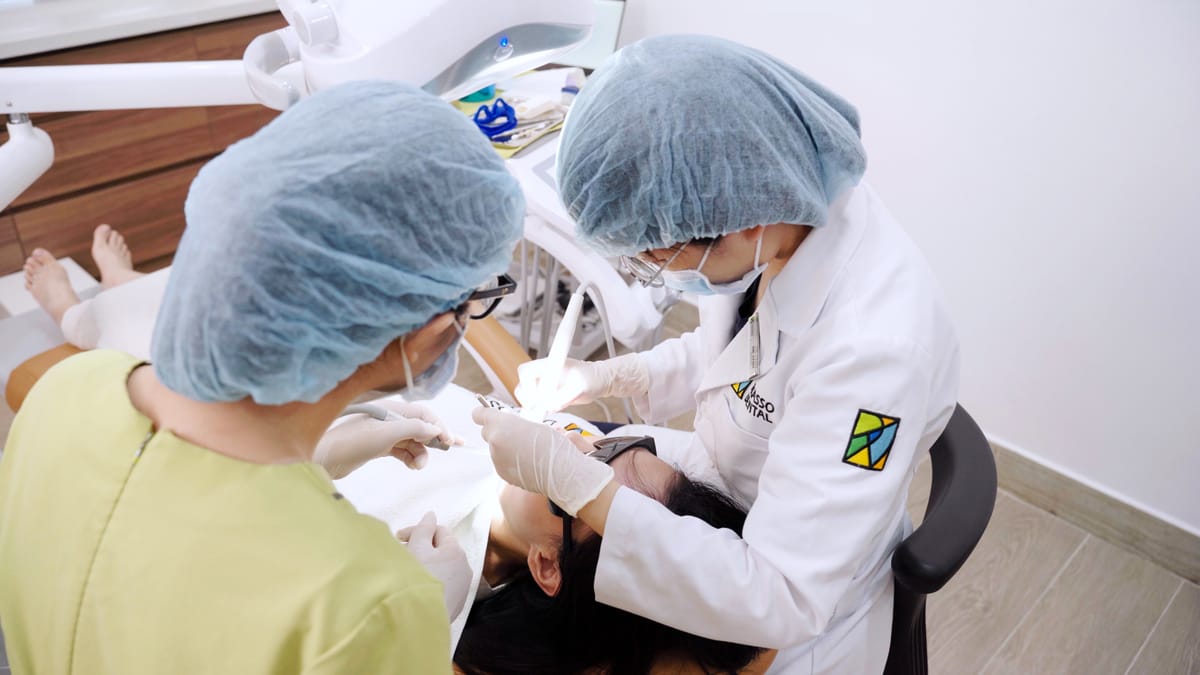
Your dentist at Picasso Dental Clinic in Hanoi evaluates the gap, the health of the adjacent teeth, and your jawbone using X-rays and a clinical examination. The optimal bridge type and material are selected based on the location, number of missing teeth, and your aesthetic goals.
Step 2: Abutment Tooth Preparation
The teeth on either side of the gap are reshaped under local anesthesia to accommodate the bridge crowns. Digital or physical impressions are taken of the prepared teeth and the surrounding area, then sent to the dental laboratory.
Step 3: Temporary Bridge Placement
A temporary bridge is fitted to protect the prepared abutment teeth and maintain your appearance and function while the permanent bridge is fabricated in the laboratory over seven to ten days.
Step 4: Permanent Bridge Fitting and Cementation
The temporary bridge is removed, and the permanent bridge is tried in for fit, bite alignment, and color accuracy. Once verified by you and your dentist, the bridge is permanently cemented onto the abutment teeth.
Types of Dental Bridges Available in Hanoi
Traditional Bridge is the most common type, using crowns on the teeth adjacent to the gap to support one or more pontics between them. It requires preparation of the abutment teeth and provides excellent stability and longevity. According to the Journal of Prosthetic Dentistry, traditional bridges achieve the highest survival rates among fixed bridge designs.
Cantilever Bridge is supported by a crown on only one side of the gap. This design is used when abutment teeth are available on only one side and is typically recommended for areas with lower bite forces, such as front teeth.
Maryland Bridge (Resin-Bonded Bridge) uses metal or porcelain wings bonded to the back of adjacent teeth rather than full crowns. It is a more conservative option requiring minimal tooth preparation and is commonly used to replace missing front teeth.
Implant-Supported Bridge uses dental implants as abutments instead of natural teeth. This avoids altering adjacent healthy teeth and provides a stable, long-lasting foundation. It is the preferred option for replacing three or more consecutive missing teeth when adequate jawbone is present.
Benefits of Dental Bridges
- Fixed and stable – a cemented bridge does not move, shift, or require daily removal, providing confidence during eating and speaking
- Restores chewing and speech – fills the gap so you can eat a full range of foods and speak clearly without difficulty
- Prevents tooth migration – keeps remaining teeth from drifting into the empty space, which can cause bite problems and jaw pain
- Natural appearance – porcelain and zirconia bridges fabricated at Picasso Dental Clinic blend seamlessly with natural teeth in color and shape
- Proven track record – the Journal of Prosthetic Dentistry reports 87 to 90% survival at 10 years for conventional bridges
- Relatively quick treatment – the entire bridge process is typically completed in two to three visits over seven to ten days in Hanoi
- Supports facial structure – replacing missing teeth helps maintain proper lip and cheek support, preventing a sunken appearance
- No surgery required – traditional and Maryland bridges are non-surgical options, unlike implant-based alternatives
Dental Bridge Cost in Vietnam Compared to Other Countries
| Treatment | Vietnam (USD) | United States | United Kingdom | Australia |
|---|---|---|---|---|
| 3-unit porcelain bridge | $400 - $700 | $2,000 - $5,000 | $1,500 - $3,500 | $2,000 - $4,500 |
| 3-unit zirconia bridge | $450 - $900 | $2,500 - $5,500 | $1,800 - $4,000 | $2,500 - $5,000 |
| Maryland (resin-bonded) bridge | $300 - $500 | $1,500 - $3,000 | $1,000 - $2,500 | $1,500 - $3,000 |
| Implant-supported bridge (per unit) | $500 - $1,200 | $3,000 - $6,000 | $2,500 - $5,000 | $3,000 - $6,000 |
Prices based on Picasso Dental Clinic published pricing and international dental fee surveys.
Aftercare and Recovery
Keep the area around and under your dental bridge meticulously clean to ensure long-term success. Use floss threaders, super floss, interdental brushes, or a water flosser to clean beneath the pontic and around the abutment crowns daily. Brush twice daily with fluoride toothpaste and attend dental checkups every six months. Avoid chewing sticky or excessively hard foods directly on the bridge, as these can loosen the cementation or damage the restoration. According to the British Dental Journal, the most common cause of bridge failure is secondary decay in abutment teeth, making thorough daily cleaning essential. With consistent oral hygiene and professional care, a dental bridge can serve you well for 10 to 15 years or longer.
Why Choose Picasso Dental Clinic in Hanoi for Dental Bridges?
Picasso Dental Clinic, located at 16 Chau Long, Ba Dinh, Hanoi, delivers precision-crafted dental bridges using advanced digital impression technology and partnerships with experienced dental laboratories. Conveniently situated near the Old Quarter and West Lake, the clinic is easily accessible for visitors exploring Hanoi. With 6 clinics across Vietnam and more than 70,000 patients treated, Picasso Dental Clinic maintains a 4.9 out of 5 rating from 3,921 Google Reviews. All bridge procedures follow strict ADA and WHO sterilization protocols with Class B autoclaves to ensure the highest infection control standards. English-speaking staff provide comprehensive support for international patients, from initial consultation to aftercare follow-up, making the clinic at 16 Chau Long, Ba Dinh, Hanoi, a trusted destination for quality dental restorations in Vietnam.
Medically reviewed by Dr. Emily Nguyen, Principal Dentist at Picasso Dental Clinic, Hanoi, Vietnam. Last updated: March 2026.
Frequently Asked Questions About Dental Bridges in Hanoi
How much does a dental bridge cost in Hanoi?
A dental bridge at Picasso Dental Clinic in Hanoi costs between 400 and 900 USD, depending on the number of units, material selected, and bridge design. A standard 3-unit porcelain bridge starts at approximately 400 USD. This represents savings of 60 to 80 percent compared to equivalent dental bridges in the United States, United Kingdom, or Australia.
Is a dental bridge safe in Vietnam?
Yes. Picasso Dental Clinic adheres to international ADA and WHO sterilization standards, utilizing Class B autoclaves and strict cross-infection control protocols. The clinic has safely treated over 70,000 patients and holds a 4.9 out of 5 rating from 3,921 Google Reviews. All bridge materials are sourced from reputable international manufacturers.
How do I book a dental bridge at Picasso Dental Clinic?
You can schedule a consultation by contacting Picasso Dental Clinic through the website, by phone, or via email. The clinic is at 16 Chau Long, Ba Dinh, Hanoi, conveniently located near the Old Quarter and West Lake. English-speaking coordinators assist international patients with appointment scheduling, treatment planning, and travel logistics.
How long does a dental bridge last?
A well-made dental bridge typically lasts 10 to 15 years with proper care, and some bridges last significantly longer. According to published research in the Journal of Prosthetic Dentistry, conventional dental bridges have survival rates of 87 to 90% at 10 years. Regular dental checkups and meticulous oral hygiene are key to maximizing bridge longevity.
Is a dental bridge better than a partial denture?
A dental bridge is cemented in place and generally provides a more natural, comfortable, and stable experience compared to a removable partial denture. However, a bridge requires preparation of the adjacent abutment teeth. Your dentist at Picasso Dental Clinic will evaluate your specific situation and recommend the most appropriate option.
How do I clean under a dental bridge?
Use a floss threader, super floss, interdental brush, or water flosser to clean beneath the pontic and around the abutment crowns every day. This daily cleaning prevents plaque accumulation, bacterial growth, and gum disease in the area, all of which are essential for maintaining the bridge long-term.
Can a dental bridge be replaced if it fails?
Yes. If a dental bridge fails due to decay in an abutment tooth, fracture of the pontic, or loosening of the cement, it can be carefully removed and replaced. In some cases, your dentist may recommend transitioning to an implant-supported bridge for improved durability and preservation of adjacent teeth. For patients whose bridge has failed or is approaching end of life, read about when dental implants become necessary. Learn more about the three types of dental bridges to understand all available options.
How many teeth can a dental bridge replace?
A traditional dental bridge can replace one to three adjacent missing teeth. For gaps involving four or more teeth, an implant-supported bridge is typically recommended to provide adequate structural support and distribute bite forces evenly, reducing stress on the abutment teeth.
Does getting a dental bridge hurt?
The abutment teeth are prepared under local anesthesia, ensuring a pain-free experience during the procedure. Some patients experience mild sensitivity or tenderness for a few days after the bridge is cemented, which is a normal response and resolves on its own without intervention.
What is an implant-supported bridge?
An implant-supported bridge uses titanium dental implants surgically placed in the jawbone as anchors, rather than relying on adjacent natural teeth. This design avoids altering healthy teeth and provides exceptional stability and longevity. It is the ideal solution for replacing three or more consecutive missing teeth when sufficient jawbone is available.
How long does the dental bridge procedure take in Hanoi?
The dental bridge process at Picasso Dental Clinic typically requires two to three appointments over seven to ten days. This timeline includes examination, tooth preparation, impression-taking, laboratory fabrication, and final cementation. International patients visiting Hanoi can explore the city between appointments.
Related Reading
- 3 Types of Dental Bridges Explained — Detailed guide to traditional, cantilever, and Maryland bridges
- Dental Crowns — The crown restorations used as abutments in bridge construction
- Dental Implants — The gold standard alternative to bridges for replacing missing teeth
- Dentures — Removable tooth replacement when a bridge is not suitable
- Dental Crown Cost in Vietnam — Pricing for the crowns that support your bridge
- Cosmetic and Implant Dentistry for a Smile Makeover — How bridges fit into comprehensive smile restoration
- View Our Pricing — Full list of treatment costs at Picasso Dental Clinic
Real Patients, Real Results
Smile Transformations
Every case below was completed at Picasso Dental Clinic. Each photo shows the same patient before and after their treatment.
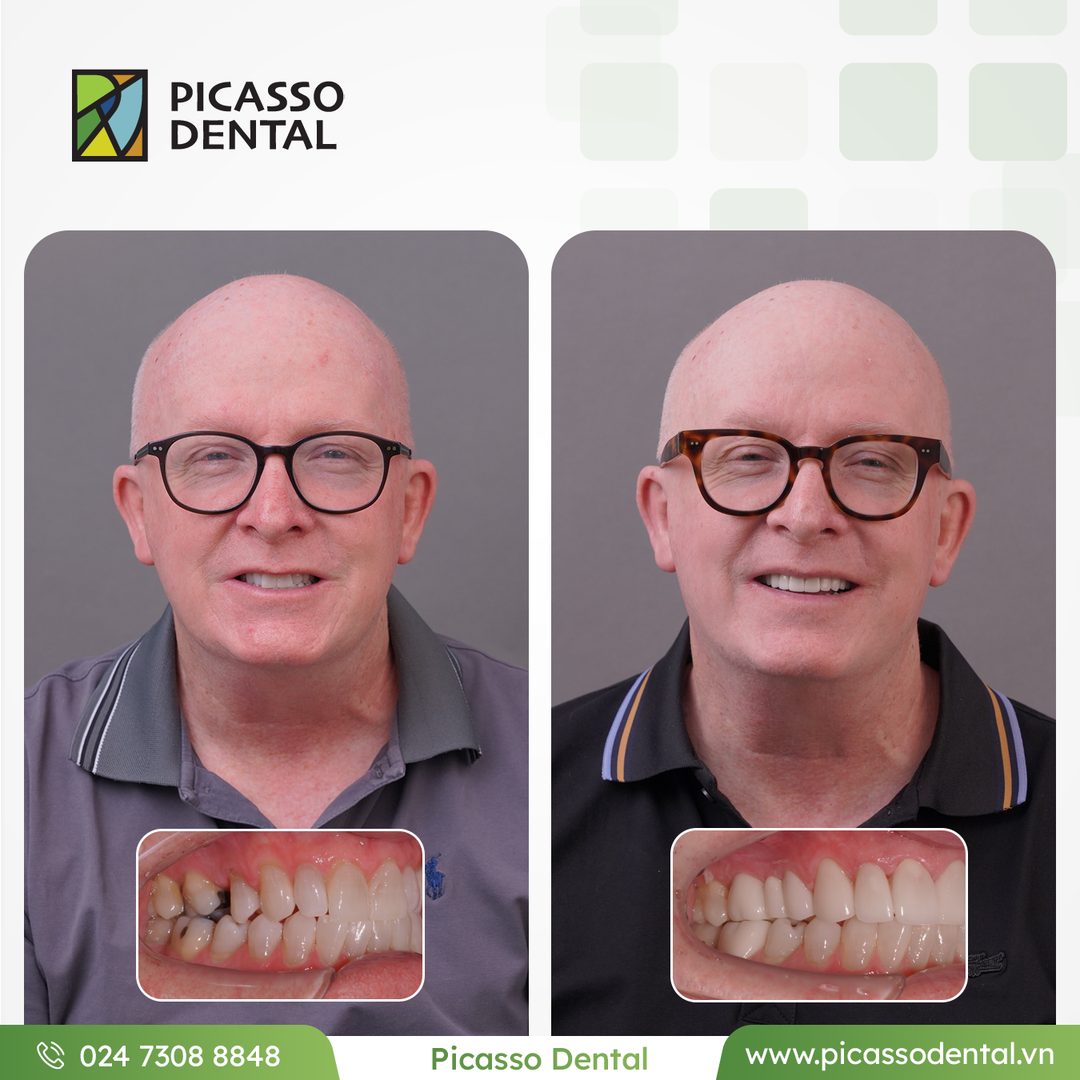
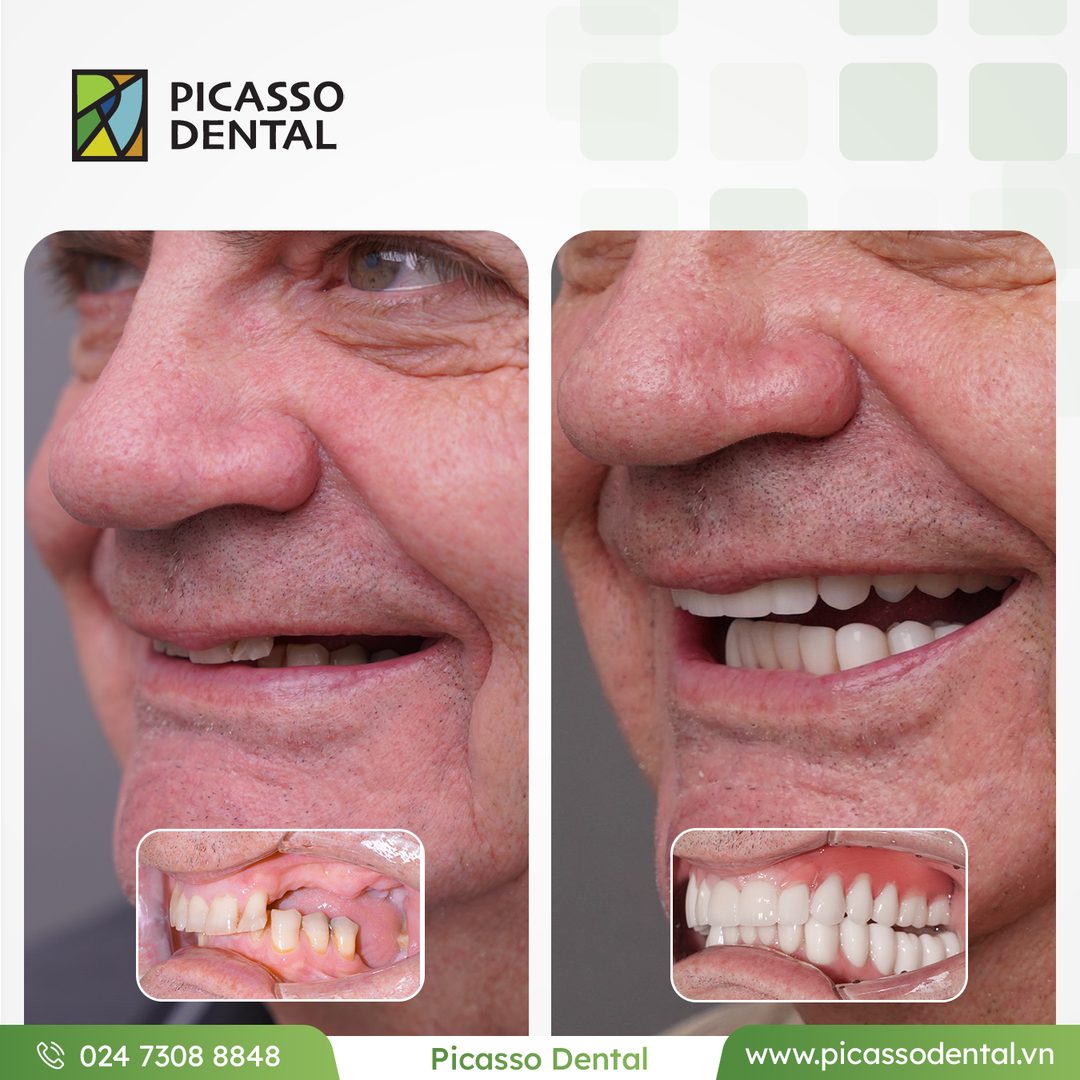
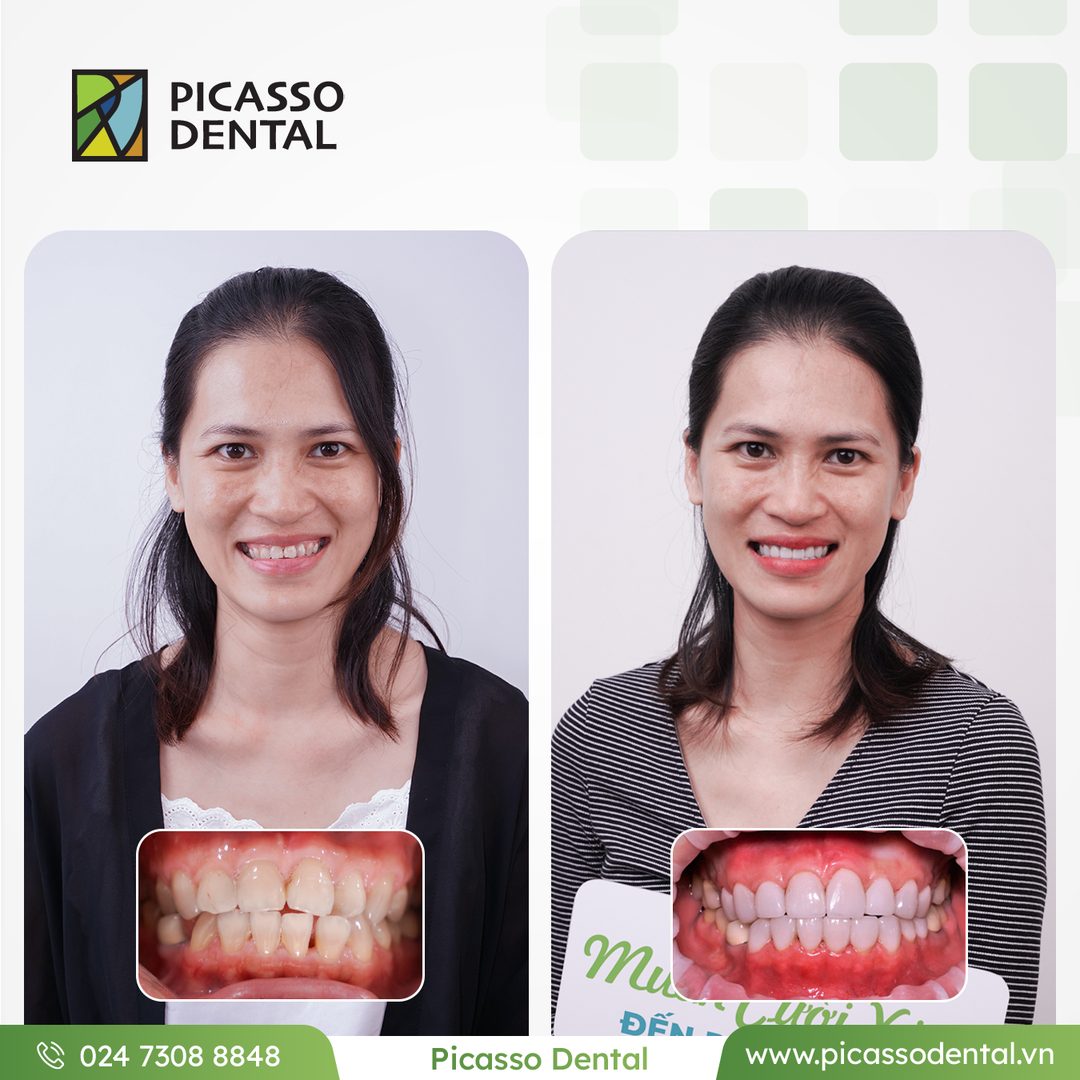
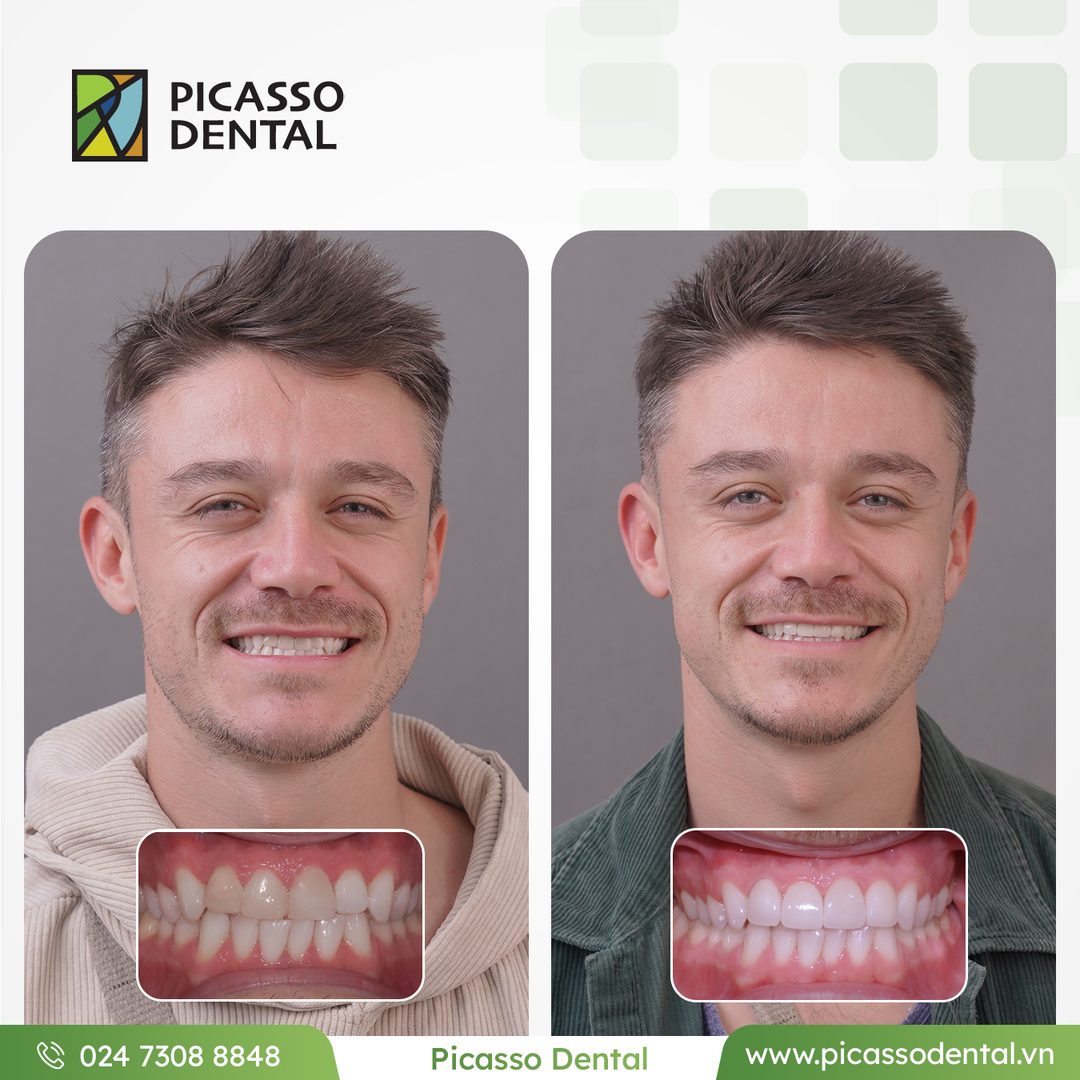
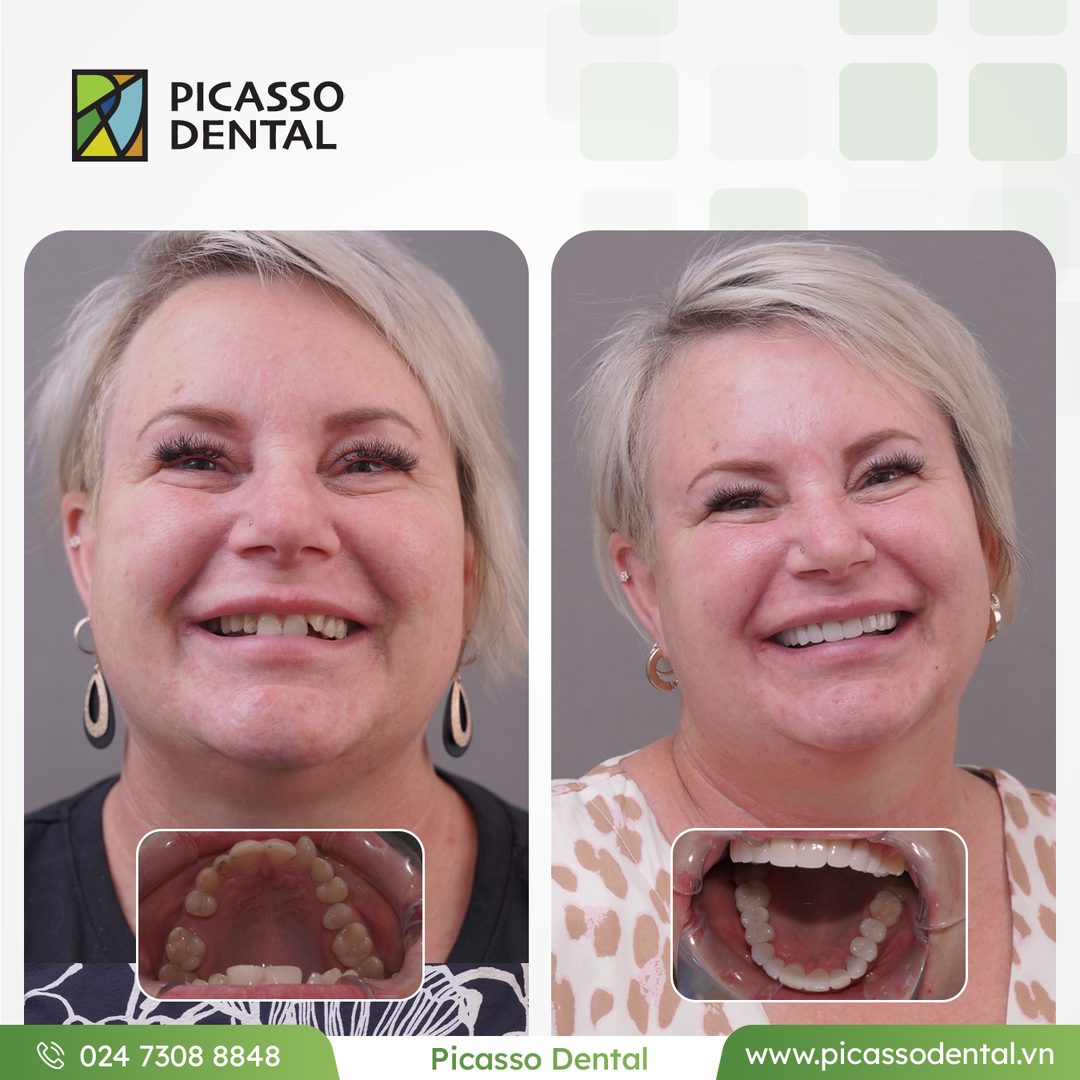
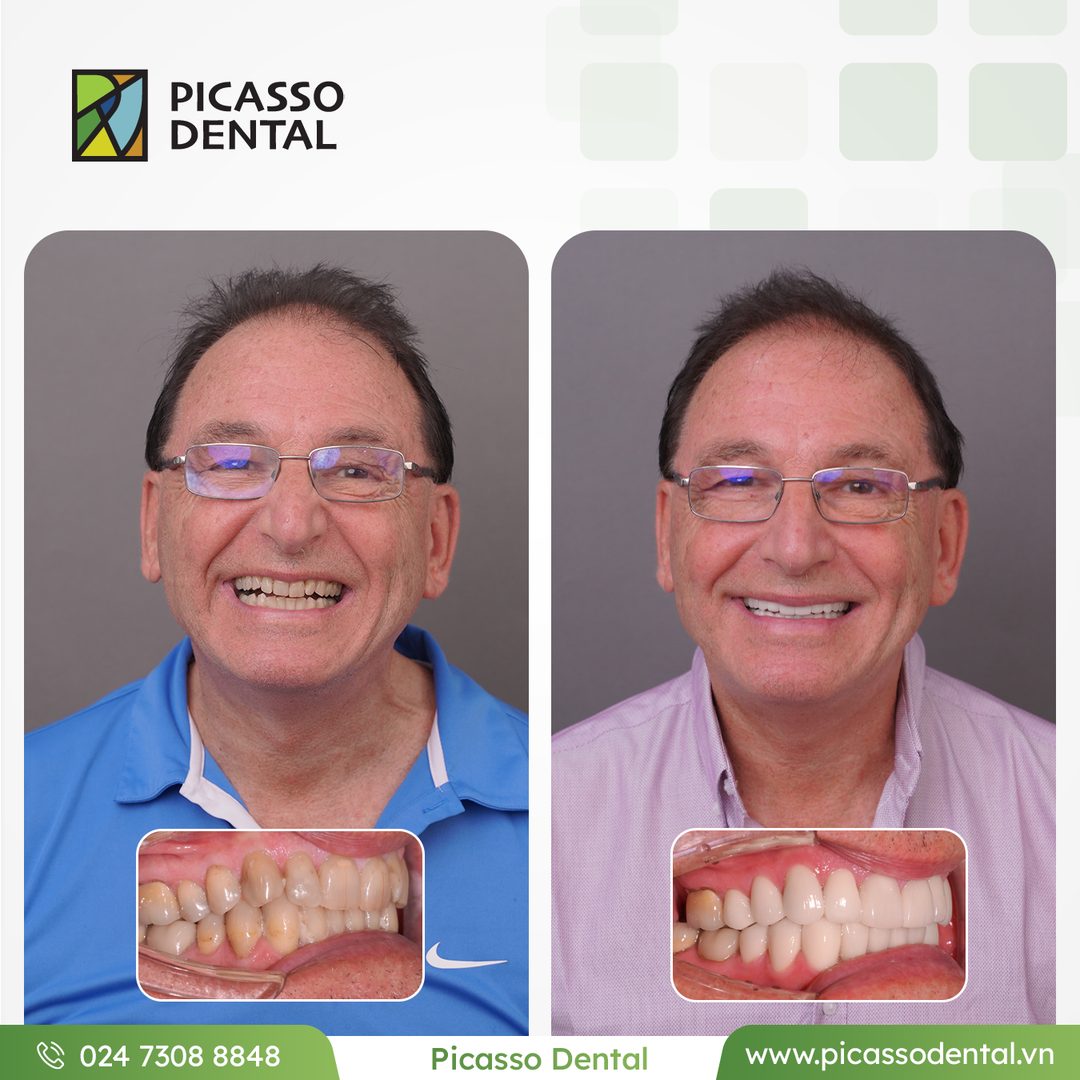
Photos used with patient consent. Individual results vary.
View more transformations arrow_forwardReady to Get Started?
Contact Picasso Dental Clinic to discuss your treatment options and schedule a free consultation.
"The dentists were amazing and explained everything in near-perfect English. The staff were warm and welcoming from the minute I walked inside."
— Keith S., Australia
via WhatClinic
"The dentist was thorough, kind, and explained everything clearly. Had X-rays, fillings, and whitening done with excellent results."
— Thomas Wallace
via Google
Video Testimonials
Hear Directly from Our Patients
Real patients share their experiences at Picasso Dental Clinic in their own words.
Other Services
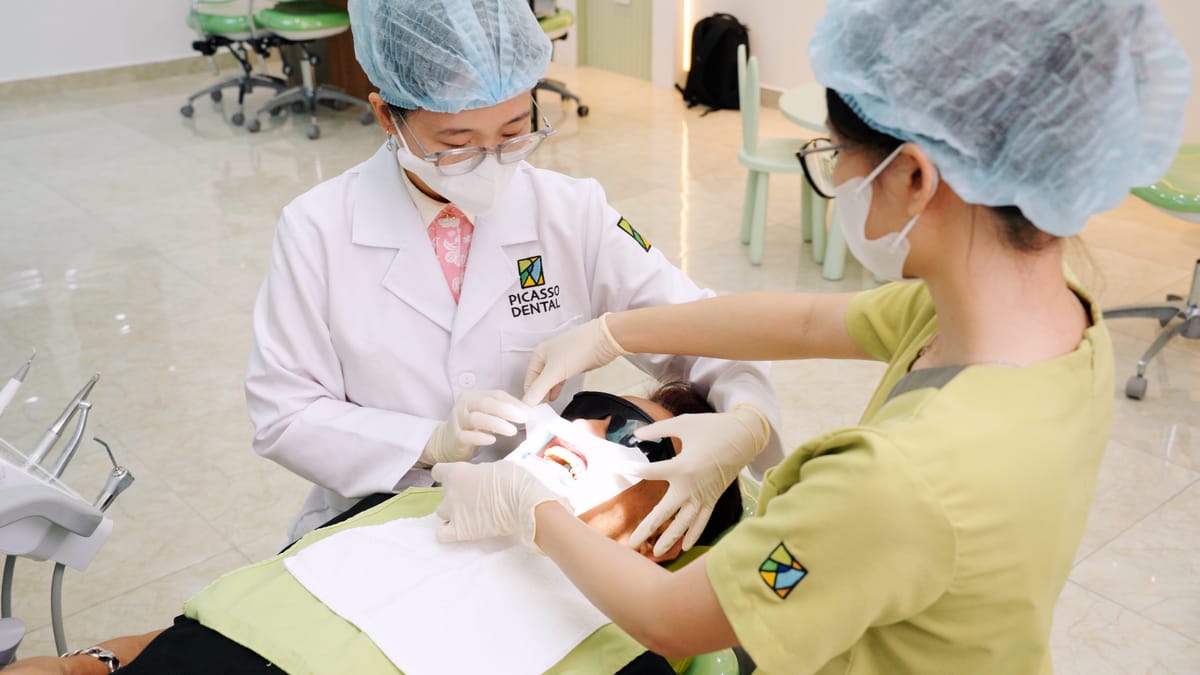
All-on-4 Dental Implants in Vietnam 2026: From $4,500/Arch — Cost & Results
All-on-4 dental implants Vietnam: from $4,500/arch vs $15,000–$25,000 in Australia. Full teeth in one day, 94.8% 10-year survival. Straumann, Nobel Biocare. Free quote.
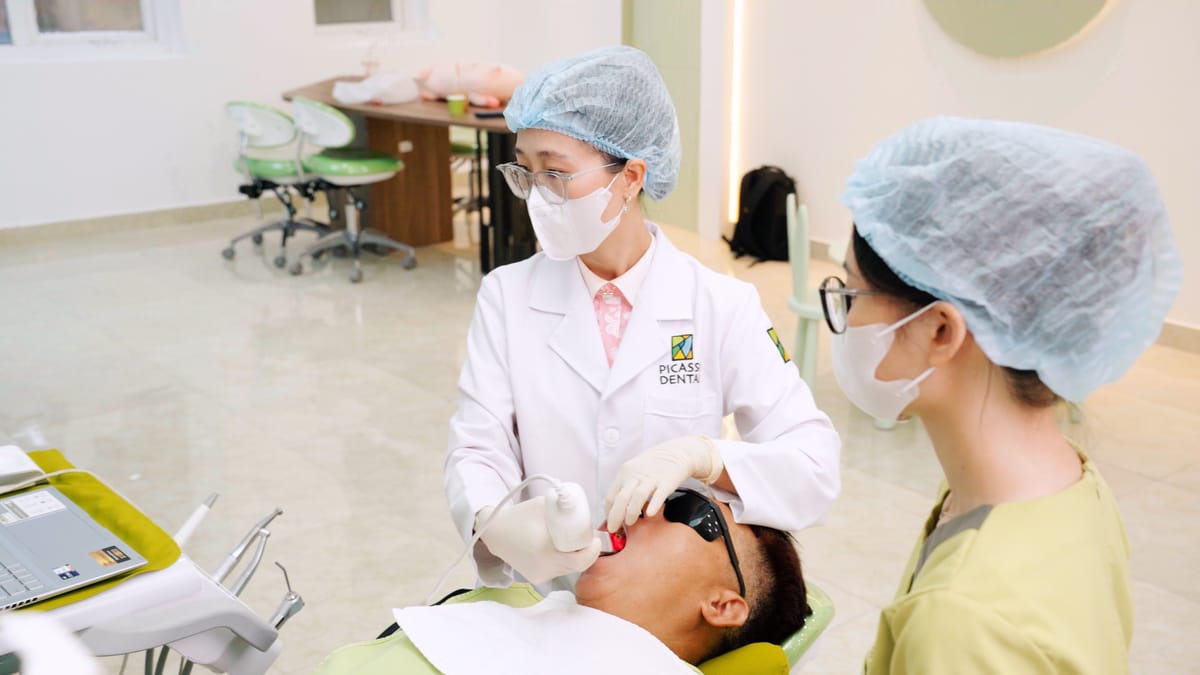
Composite Bonding in Vietnam 2026: From $80/Tooth — Cost, Results & What to Expect
Composite bonding in Vietnam from $80/tooth vs $300–$600 in Australia. Single-visit smile fix for chips, gaps & discolouration. 4.9/5 · 3,900+ reviews. Free quote.
Dental Bone Grafting in Vietnam 2026: From $300 — Types, Cost & Recovery
Dental bone grafting in Vietnam: from $300 (socket preservation) to $800 (sinus lift) vs $1,500–$3,000 in the US. 90%+ success rate. Required before implants? Find out here.
Dental Bridge in Vietnam 2026: Cost, Types & What to Expect
Get a free consultation at Picasso Dental Clinic.