Key answer
Same-day dental implants (immediate loading) in Vietnam 2026. Learn who qualifies, how the procedure works, success rates, costs at Picasso Dental Clinic, and what to expect.
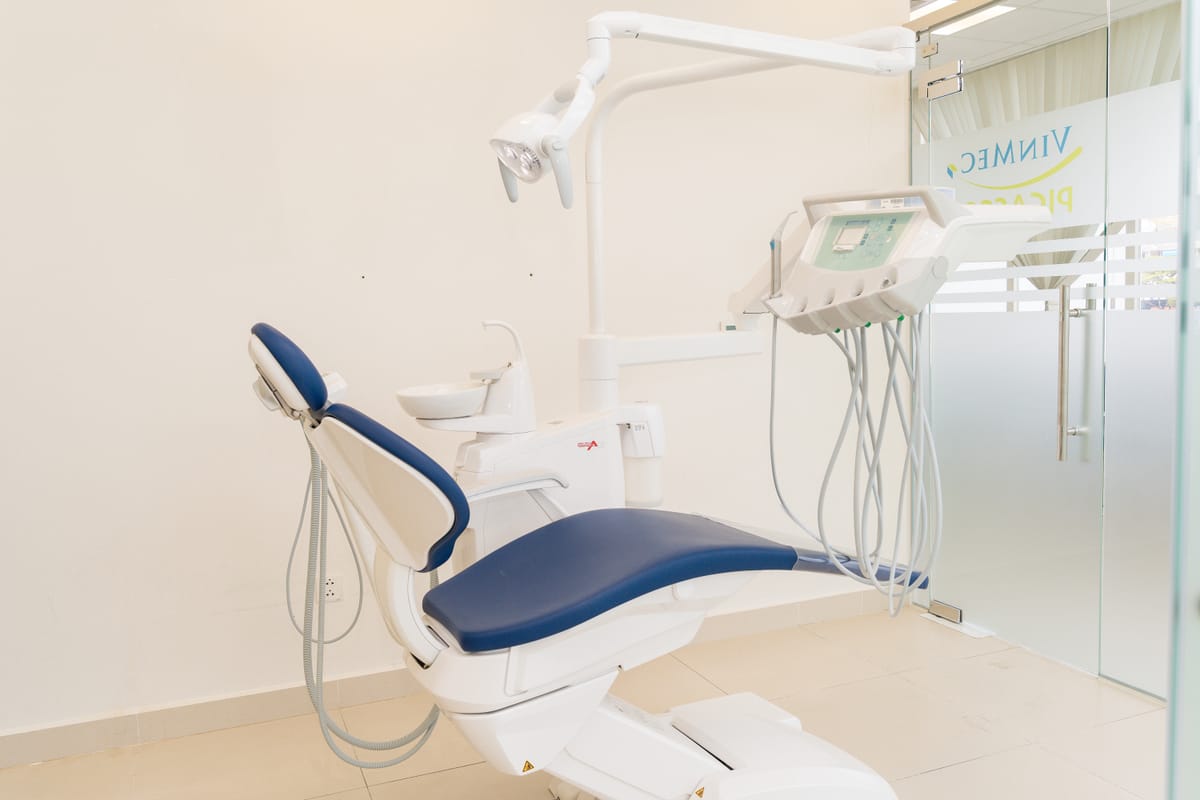
The concept of leaving the dental clinic the same day as your implant surgery with a functional, natural-looking temporary tooth is one of the most compelling developments in modern implant dentistry. For international patients traveling to Vietnam for dental treatment, the appeal is obvious — fewer visits, fewer trips, less time away from work and family.
But same-day dental implants are not appropriate for every patient, and the difference between a successful same-day outcome and a premature implant failure often comes down to the quality of the pre-surgical assessment. At Picasso Dental Clinic, we offer same-day (immediate loading) implant protocols — but we only recommend them when the clinical evidence supports it. Understanding the criteria, the process, and the realistic success rates is essential before pursuing this treatment.
What Is Immediate Loading vs Delayed Loading?
To understand same-day implants, it helps to understand the two main protocols in implant placement:
Delayed loading (conventional protocol) is the traditional approach. The implant fixture is placed surgically and then left to osseointegrate — bond with the surrounding bone — for a healing period of typically 3–6 months before a crown is attached. During this period, the patient wears a temporary denture or removable partial over the healing site. The delayed protocol is the most conservative approach with the longest evidence base.
Immediate loading (same-day protocol) places a temporary crown or bridge on the implant(s) on the same day as surgical placement — or within 48 hours. The patient leaves the clinic with a functional, aesthetic tooth in place. Permanent prosthetic components (the final crown or bridge) are still fitted 3–6 months later, after osseointegration is confirmed, but the patient is not edentulous or relying on a removable appliance during that period.
The key clinical question is whether placing load on a newly placed implant compromises osseointegration. Early implant research assumed it did — hence the 3–6 month no-loading protocol established by Brånemark in the 1970s. Subsequent research has shown that controlled loading — light occlusal forces on a well-stabilized implant — does not prevent osseointegration and in some cases may stimulate it. The critical variable is primary implant stability.
Who Qualifies for Same-Day Dental Implants?
Primary implant stability is measured by Implant Stability Quotient (ISQ), a value between 1 and 100 generated by resonance frequency analysis (RFA) during or immediately after implant placement. An ISQ score above 65 is generally considered the threshold for immediate loading.
The following criteria are typically required for a patient to qualify for immediate loading at Picasso Dental:
Adequate bone density and volume — Dense bone (Type I or Type II cortical bone) achieves higher insertion torque and ISQ scores. The mandible (lower jaw) typically has denser bone than the maxilla (upper jaw), which is why immediate loading is more commonly indicated in the lower arch.
Sufficient bone height without major anatomical challenges — Sites with minimal sinus proximity in the upper jaw, adequate distance from the inferior alveolar nerve in the lower jaw, and no history of significant bone loss at the implant site.
No active infection or periodontitis — The implant site must be free of acute infection. Extracting a tooth and placing an implant in the same infected socket (immediate post-extraction placement) requires specific protocols and careful case selection.
Non-smoker or former smoker — Active smoking significantly impairs the peri-implant microcirculation that immediate loading depends on. Smokers are generally not candidates for immediate loading.
No uncontrolled systemic disease — Uncontrolled diabetes, immunosuppression, or bisphosphonate use are relative or absolute contraindications to immediate loading.
Favorable occlusion — The temporary crown placed on the day of surgery must not bear direct biting forces from the opposing teeth. Immediate loading crowns are designed to be slightly out of contact with the opposing dentition (reduced occlusion), so the patient bites lightly around the crown rather than directly on it. Patients with bruxism require additional precautions — typically a night guard fitted at the same appointment.
If all these criteria are met, the clinical evidence supports immediate loading with outcomes comparable to delayed loading. If one or more criteria are not met, delayed loading is the appropriate and safer recommendation.
Who Is NOT a Candidate for Same-Day Implants?
Same-day implants are not appropriate for:
- Patients with insufficient bone volume or density (Type III/IV bone) — Low insertion torque means the implant is not stable enough to safely bear prosthetic loads during osseointegration
- Patients requiring bone grafting — Sites where bone grafting is required before implant placement need a healing period of 4–6 months before implant placement; immediate loading is not possible in freshly grafted bone
- Active smokers — Nicotine impairs the tissue healing that immediate loading depends on
- Patients with uncontrolled diabetes (HbA1c above 8.0)
- Patients on intravenous bisphosphonates (used in cancer treatment) — These medications impair bone remodeling and significantly elevate the risk of osteonecrosis of the jaw
- Cases involving sinus lifting — Sinus augmentation requires a healing period of 6–9 months before implants can be placed
- Patients with active periapical infection at the implant site — The infection must be resolved before implant placement
Patients who do not qualify for same-day implants can still receive dental implants — they simply follow the conventional delayed loading protocol. The end result is identical; the timeline is longer.
The Same-Day Implant Process at Picasso Dental
Step 1: CBCT Scan and Digital Planning
Every same-day implant case begins with a cone beam CT (CBCT) scan that generates a three-dimensional model of the jaw, bone, sinuses, and nerve pathways. This scan is imported into digital planning software (we use coDiagnostiX or Nobel Clinician depending on the brand being used) where the optimal implant position, diameter, length, and angulation is planned virtually before any surgery occurs.
The CBCT scan also reveals bone density — allowing us to identify areas of dense cortical bone that will achieve the highest insertion torque and ISQ scores. Sites with inadequate bone density are flagged at this stage, and patients are advised accordingly before proceeding.
Step 2: Guided Surgical Placement
A surgical guide — a 3D-printed template that fits over the patient’s teeth and guides the drill to the planned implant position — is fabricated from the digital plan. Guided surgery dramatically reduces the risk of placement error and helps ensure the implant is positioned for both optimal stability and ideal crown emergence.
On the day of surgery, local anesthesia is administered and the implant is placed through the surgical guide. Immediately after placement, insertion torque is measured (we aim for at least 35 Ncm) and ISQ is assessed using a Penguin RFA device. If both thresholds are met, immediate loading is confirmed.
Step 3: Temporary Crown Fabrication and Placement
For single-tooth cases, the temporary crown is typically pre-fabricated in the laboratory based on the digital plan or fabricated chairside in PMMA acrylic. It is attached to the implant via a temporary abutment and adjusted to ensure it is slightly out of occlusion (not bearing direct biting forces).
For full-arch immediate loading (All-on-4 cases), the temporary bridge is pre-fabricated before surgery and converted or fitted on the day of the procedure. Our All-on-4 dental implants protocol routinely incorporates same-day loading for qualifying patients.
Step 4: Post-Operative Care
Patients receive detailed written post-operative instructions including:
- Soft food diet for 6–8 weeks (nothing harder than soft-cooked vegetables)
- Avoidance of direct biting pressure on the temporary crown
- Chlorhexidine rinse protocol for the first two weeks
- Pain management with prescribed anti-inflammatories
- Attendance at 1-week, 1-month, and 3-month follow-up appointments
Step 5: Final Restoration
At the 3–6 month mark, osseointegration is confirmed radiographically and clinically. The temporary crown is replaced with the permanent restoration — either a pressed ceramic or zirconia dental crown matched to adjacent teeth in shade, shape, and translucency. This is the restoration the patient keeps for the long term.
Success Rates of Immediate Loading
The evidence base for immediate loading has grown substantially since the early 2000s, and published clinical literature now generally supports immediate loading as a viable alternative to delayed loading when patients are properly selected — achieving survival rates statistically comparable to conventional delayed protocols in the same study populations.
Importantly, primary stability at placement is a key predictor of outcome: implants achieving high insertion torque and high ISQ scores at the time of surgery tend to have survival rates essentially equivalent to delayed loading, while implants placed with borderline primary stability show somewhat lower — though still clinically acceptable — survival.
The evidence is consistent: for properly selected patients implanted by experienced surgeons following rigorous primary stability criteria, immediate loading delivers outcomes that are not meaningfully inferior to conventional delayed protocols. The clinical benefit — functional teeth on the same day — is real, not theoretical.
See also our overview of dental implant success rates in Vietnam for broader context.
Cost Comparison: Immediate vs Delayed Loading in Vietnam
Same-day (immediate) loading involves additional clinical complexity — pre-surgical digital planning, surgical guide fabrication, pre-fabricated temporaries — that carries a modest cost premium relative to conventional delayed protocols, whether for a single implant or a full All-on-4 arch. Full pricing details are available at picassodental.vn/dental-costs and on our dental implant cost in Vietnam page.
For international patients, the immediate loading premium is often a worthwhile investment — it reduces the number of trips required and eliminates the period of edentulousness or removable temporary appliance during osseointegration. Many patients who travel to Hanoi or Ho Chi Minh City for implants specifically because of the ability to leave with temporary fixed teeth before flying home.
Frequently Asked Questions
Q: Is same-day implant placement the same as same-day teeth? A: Largely, yes — both terms refer to immediate loading, where a temporary crown or bridge is attached to the implant on the day of surgery. Some marketing uses these terms interchangeably, while clinicians typically use “immediate loading” as the precise term. The key point is that you leave with a functional temporary tooth in place.
Q: Can I eat normally after a same-day implant? A: No — not immediately. A soft food diet is required for 6–8 weeks while osseointegration occurs. This means avoiding hard, crunchy, or chewy foods, and not biting directly on the temporary crown with force. Normal dietary function resumes once the permanent crown is fitted at the 3–6 month mark.
Q: How do I know if I qualify for same-day implants? A: You will not know until a CBCT scan has been performed and analyzed. Eligibility depends on bone density and volume, insertion torque achieved during surgery, and your systemic health and lifestyle factors. At Picasso Dental, we assess every patient individually and will tell you clearly whether immediate loading is appropriate for your specific case.
Q: Is same-day implant placement riskier than conventional delayed loading? A: In properly selected patients by experienced surgeons, the evidence shows comparable outcomes. The risk of a same-day implant failing is not meaningfully higher than delayed loading when ISQ criteria are met. The risk is higher in patients who do not meet the eligibility criteria — which is precisely why we assess eligibility carefully before recommending the protocol.
Q: What happens if a same-day implant fails? A: If an immediately loaded implant fails to osseointegrate (a small minority of cases, and less likely when primary stability at placement was high), the implant is removed, the site is allowed to heal, and re-implantation is planned. The failure of immediate loading does not eliminate the option of a successful delayed-loading implant at the same site. Our clinical team will review the reasons for failure before recommending the re-treatment approach.
Q: How long do I need to stay in Vietnam after same-day implant placement? A: We recommend a minimum of 5–7 days in Vietnam after surgery for monitoring and the first follow-up appointment. The permanent crown fitting requires a second visit 3–6 months later, which can be combined with a follow-up dental check-up or other dental treatment.
Q: Can All-on-4 be done as same-day implants? A: Yes. All-on-4 with immediate loading is one of the most common applications of the immediate loading protocol — the surgical design of All-on-4 (angled posterior implants in dense anterior bone) is specifically engineered to achieve high primary stability. Many All-on-4 patients leave surgery with a fixed temporary bridge in place the same day. The permanent zirconia bridge is fitted 3–6 months later.
Q: Does Picasso Dental guarantee same-day implant outcomes? A: Picasso Dental offers a structured guarantee program for implant treatment, including immediate loading cases. Coverage conditions include patient compliance with post-operative soft diet protocols, attendance at follow-up appointments, and non-smoking compliance. Full guarantee terms are provided in writing before treatment commences. Visit our guarantee program page for an overview.
Related Reading
- Dental Implant Services at Picasso Dental
- Single Tooth Dental Implant
- All-on-4 Dental Implants
- Dental Implant Cost in Vietnam
- Dental Implant Success Rate in Vietnam
- How Long Do Dental Implants Last?
- Full Mouth Rehabilitation: All-on-4 vs Implant Bridge vs Dentures
- Bone Grafting — When Is It Needed?
- Our Guarantee Program
- All-on-4 vs All-on-6 in Vietnam 2026
- Top 7 Signs You Need Dental Implants — Clinical indicators that dental implants may be the right solution for you
- How to Prepare for Dental Implants in Vietnam 2025 — Complete preparation guide for international patients planning implant treatment

Medically reviewed by Dr. Emily Nguyen, DDS — Implant & Cosmetic Dentistry
Founder and Principal Dentist of Picasso Dental, with 15+ years in implant surgery, periodontics and full-arch (All-on-4) rehabilitation. Read full bio
Last reviewed: September 27, 2026