
Key answer
Picasso Dental Clinic has invested in clinic technology that goes beyond what most regional clinics offer. Here's why that investment earns patient trust.
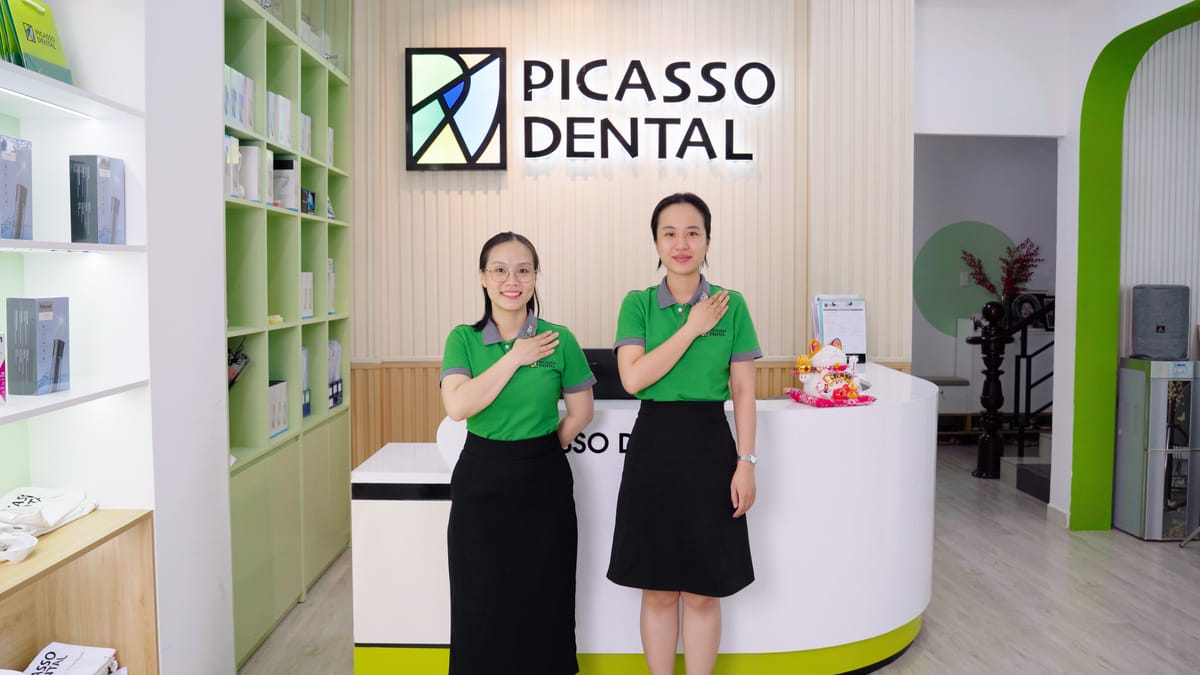
Choosing a dental clinic for complex or expensive treatment abroad requires more than reading reviews. Reviews tell you what past patients experienced; what a clinic’s technology investment tells you is whether that clinic has built the infrastructure to deliver consistent, predictable results. These are related but not identical questions.
At Picasso Dental Clinic, we have built our reputation on a foundation of verifiable technology investments, international accreditations, and a consistent track record of patient outcomes. Here are nine specific investments — in technology, accreditation, and clinical infrastructure — that justify the trust our patients place in us.
1. CBCT 3D Scanner on Premises
Cone Beam Computed Tomography provides a three-dimensional image of the patient’s teeth, bone, sinuses, and nerve canals that conventional X-rays cannot match. At clinics without a CBCT scanner, complex cases must be referred elsewhere for imaging, adding time and coordination complexity to the patient’s treatment journey.
Having a CBCT scanner on premises at Picasso Dental Clinic means that 3D imaging is integrated into the standard consultation and planning workflow. Implant positions are planned in three dimensions before surgery. Bone quality and volume are assessed precisely. Hidden pathology — root fractures, cysts, impacted teeth — is identified before it becomes a surgical surprise. For international patients who have limited time in Hanoi, this integration eliminates delays that could otherwise derail a treatment plan.
2. Digital Smile Design System
Digital Smile Design (DSD) is a software-assisted process for planning aesthetic dental work — veneers, crowns, and smile makeovers — by mapping the patient’s natural facial proportions and tooth dimensions. Before any preparation or irreversible procedure, patients see a visual preview of the proposed outcome overlaid on photographs of their own face.
This preview serves two purposes. Clinically, it ensures that the planned restorations will be proportionate and aesthetically appropriate for the individual patient’s face. For patient communication, it provides a shared reference point between the patient and the dentist so that expectations are aligned before work begins. Surprises at the delivery stage are substantially reduced when both parties have reviewed and agreed on a design preview in advance.
3. CAD/CAM Milling Unit
CAD/CAM (Computer-Aided Design / Computer-Aided Manufacturing) technology allows dental restorations — crowns, inlays, onlays — to be designed digitally and milled from solid ceramic blocks within the clinic. In traditional workflows, impressions are sent to an external laboratory and restorations return after a week or more, requiring the patient to wear a temporary in the interim.
With in-house CAD/CAM, same-day or next-day crowns are achievable for straightforward cases. For dental tourists with constrained schedules, this is a significant practical advantage. The milled restorations are cut from solid, high-strength ceramic blocks with consistent material properties — avoiding the variability that can occur in hand-layered laboratory restorations.
4. Intraoral Camera at Every Chair
An intraoral camera is a small, handheld device that captures high-resolution video and still images inside the patient’s mouth, displayed in real time on a chairside monitor. For patients, this transforms the consultation from a description-based experience to a visual one — they can see exactly what the dentist is seeing.
Intraoral cameras improve both diagnosis and patient communication. Dentists can identify and document issues — cracked tooth syndrome, early decay, failing margins on existing restorations — that are difficult to explain verbally but immediately obvious when shown on screen. For patients considering dental crowns or other restorative work, seeing the actual condition of the tooth supports informed decision-making in a way that a verbal description alone cannot.
5. Digital X-Rays With 90% Less Radiation
Digital radiography uses electronic sensors rather than traditional photographic film, requiring a fraction of the X-ray exposure to produce a high-quality image. At Picasso Dental Clinic, all routine X-rays use digital sensors, which expose patients to approximately 90% less radiation than equivalent film-based imaging.
Beyond the radiation reduction, digital X-rays are immediately viewable on screen, can be zoomed and contrast-adjusted for diagnostic clarity, and are stored electronically for comparison at follow-up visits. The speed benefit matters practically: digital images appear within seconds of exposure, eliminating the darkroom processing time that film required and reducing the likelihood of repeat exposures due to processing errors.
6. Nobel Biocare Certified Implant Center
Nobel Biocare is among the most research-supported implant systems in the world, with decades of peer-reviewed clinical outcome data. Becoming a Nobel Biocare certified center requires the clinic’s implant team to complete manufacturer training, demonstrate case competency, and maintain ongoing education. It is not a status available simply by purchasing the product.
For patients receiving dental implants, Nobel Biocare certification provides a specific assurance: the implants used are from a system with extensive long-term data, and the placing dentist meets the manufacturer’s training standards. This is especially relevant for international patients who will be relying on these implants for decades after returning home.
7. Documented Quality Management Procedures
A dental clinic’s day-to-day reliability depends on having written, audited procedures rather than informal practices for sterilization protocols, patient record management, clinical workflow, and complaint handling. This means that a patient’s experience — in terms of infection control, documentation accuracy, and clinical handoffs — is governed by a system designed to minimize variation and error rather than left to individual habit.
8. Invisalign Certified Provider Status
Achieving Invisalign certified provider status requires training, case submission, and ongoing compliance with Invisalign’s clinical protocols. Not every clinic that advertises clear aligner treatment has completed this accreditation process, and the clinical training involved in certification affects case assessment, aligner sequencing, and outcome predictability.
For patients seeking orthodontic treatment — either as a standalone procedure or as part of a smile makeover preceding veneers — Invisalign certification at Picasso Dental Clinic means the treating clinician has been trained and assessed specifically in the Invisalign system, not just in generic aligner principles.
9. Sustained International Patient Experience
Volume matters in clinical practice. High-volume clinics see a wider range of cases, develop systems for managing international patient logistics, and accumulate the institutional experience that allows more reliable treatment planning. Complications, when they occur, are handled by teams that have encountered them before.
Picasso Dental Clinic has built a sustained international caseload from patients traveling from across Europe, North America, and Australia. This experience reflects consistent international trust over the long term — not a recent marketing push. Patients arriving from diverse backgrounds have contributed reviews, referrals, and long-term follow-up data that shapes how the clinic approaches new cases. That accumulated experience is itself a form of quality assurance that technology alone cannot replicate.
Making the Decision
No single credential or technology makes a dental clinic right for every patient. But when multiple verifiable markers align — CBCT imaging, CAD/CAM, Nobel Biocare certification, Invisalign provider status, and a sustained record of international caseload — the cumulative signal is meaningfully stronger than any one factor alone. For complex treatments with significant long-term consequence, that convergence of evidence is worth weighing carefully.
When you choose Picasso Dental Clinic, you are choosing a clinic where these investments have all been made deliberately, verified externally, and maintained consistently.
Related Articles
- 7 Advanced Dental Technologies at Picasso Dental Clinic
- How AI-Assisted Diagnosis Is Entering Vietnamese Dentistry
- CAD/CAM Same-Day Crowns: Why They Beat Lab-Made Alternatives
- CBCT 3D Scanning and Dental Surgery Safety
- 7 Equipment Items to Check Before Choosing a Clinic in Vietnam
- Why Modern Vietnamese Dental Labs Match European Quality
- How Digital X-Ray Reduces Radiation
- 8 Ways Intraoral Cameras Improve Your Oral Health Understanding
- ISO 9001 Certification: Why It Matters for Dental Patients
- Nobel Biocare Certification and Implant Quality
- How Digital Records Benefit International Dental Patients
- Picasso Dental Clinic Sterilization Protocols
- Digital Smile Design: How It Makes Consultations More Productive
- Digital Smile Design in Vietnam 2026

Reviewed for accuracy by Dr. Emily Nguyen, DDS — Implant & Cosmetic Dentistry
Founder and Principal Dentist of Picasso Dental, with 15+ years in implant surgery, periodontics and full-arch (All-on-4) rehabilitation. Read full bio
Last reviewed: September 27, 2026