
Key answer
Nobel Biocare implants at Picasso Dental Clinic mean your implants are placed by trained specialists using the world's most researched implant system.
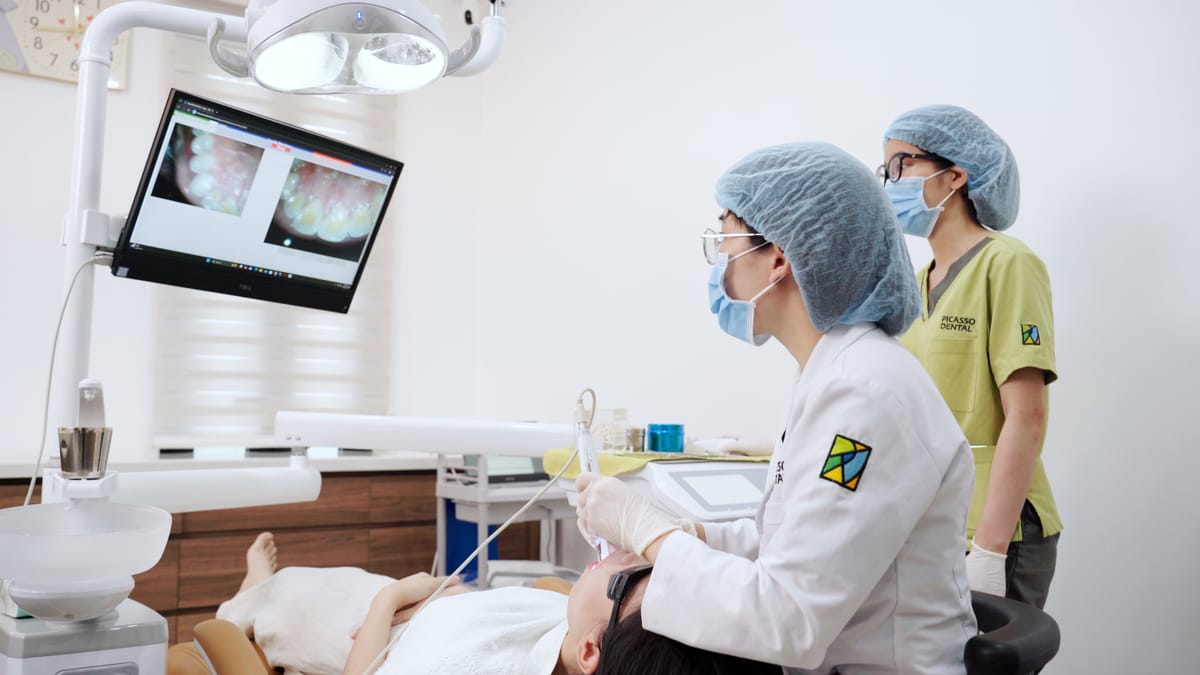
When you’re considering dental implants abroad, one of the hardest things to evaluate from a distance is whether a clinic is genuinely qualified or simply advertising premium prices. Certifications from implant system manufacturers — particularly Nobel Biocare — are one of the few objective quality signals available to international patients. Here’s what Nobel Biocare certification actually means, and why it matters when you’re choosing a clinic in Hanoi.
1. Nobel Biocare Has 60+ Years of Clinical Research Behind Every Implant
Nobel Biocare was founded in Switzerland in 1952 by Per-Ingvar Brånemark, the surgeon who first demonstrated that titanium could fuse permanently with bone — a process now called osseointegration. That discovery became the biological foundation for modern dental implantology. Since then, Nobel Biocare has conducted or contributed to more clinical studies than any other implant manufacturer, with peer-reviewed research spanning over six decades.
This depth of research matters for patients because it means the implant system has been validated across many different patient populations, bone types, and clinical scenarios. When a clinic uses Nobel Biocare implants, you’re not receiving an untested or poorly documented system. You’re receiving one with a published failure rate, known risk factors, and documented recovery outcomes.
For patients traveling to Vietnam for dental implants, this research lineage is a meaningful baseline guarantee — regardless of which country performs the surgery.
2. Certified Centers Must Meet Training and Facility Standards
Nobel Biocare doesn’t grant certification simply because a clinic purchases their products. To become a certified Nobel Biocare implant center, the surgeons and clinical team must complete specific training programs on Nobel Biocare’s implant protocols, software tools, and surgical techniques. The facility must also have the equipment necessary to plan and execute implant cases to the manufacturer’s standards.
At Picasso Dental Clinic, this includes access to a CBCT 3D scanner for pre-surgical bone assessment, digital planning software, and surgical guides that are manufactured from those digital scans. This equipment chain — from scan to plan to surgical guide — is precisely what Nobel Biocare requires its certified centers to use for complex implant cases.
The certification process also requires ongoing compliance. It’s not a one-time award. Clinics must maintain standards and stay current with Nobel Biocare’s evolving product line and protocols. That ongoing relationship gives patients a degree of accountability that informal “we use Nobel Biocare implants” claims cannot provide.
3. Nobel Biocare Implants Have the Highest Long-Term Success Rate Data
Clinical success rate is the most important metric in implant dentistry, and Nobel Biocare’s published data is among the strongest in the industry. Their NobelActive and NobelParallel CC implant lines are backed by long-term multicenter studies tracking survival outcomes over many years — a level of published clinical evidence that few competing systems can match.
For patients considering implants in Vietnam, this matters because it provides a benchmark for evaluating the risk of the investment. An implant that fails requires bone grafting and replacement surgery — significantly more expensive and disruptive than the original procedure. Choosing an implant system with a well-documented low failure rate is one of the most practical risk-reduction strategies available.
Picasso Dental Clinic uses Nobel Biocare implants for cases where the system is clinically appropriate, meaning patients get access to that long-term success data as a foundation for their treatment outcome.
4. Certification Means Access to the Full Nobel Biocare Product Portfolio
Nobel Biocare produces a wide range of implants designed for different bone qualities, placement scenarios, and restoration types. Their standard implant lines are suitable for most patients. Their narrow-diameter implants address cases with limited bone width. Their zygomatic implants handle severe bone loss cases where conventional implants are not viable. Nobel Biocare’s All-on-4 protocol, marketed under the Teeth-in-a-Day or similar frameworks, is one of the most widely documented full-arch rehabilitation systems in the world.
Certified centers have access to this full product portfolio and the training to use it correctly. A clinic that only purchases one or two Nobel Biocare product lines may not be equipped to handle complex cases, even if they technically use Nobel Biocare implants. Certification indicates that the clinic has the breadth of product access and training to select the right implant for your specific anatomy.
This is particularly relevant for patients with bone loss, narrow ridges, or posterior placement challenges — scenarios that are more common in older patients and those who have waited years after tooth loss before pursuing implants. Getting a dental implant with the right implant design is as important as getting it placed by a skilled surgeon.
5. Your Implant Records Are Linked to a Global Nobel Biocare Database
One underappreciated benefit of using Nobel Biocare implants at a certified center is traceability. Every Nobel Biocare implant has a unique identifier, and certified centers document implant placement in a way that allows the specific implant type, size, and placement details to be retrieved in the future.
This matters for international patients who return home after treatment in Vietnam. If you need additional work on your implant — a crown replacement, a torque adjustment, or any follow-up procedure — your home dentist can look up the exact implant specifications. Nobel Biocare implants are widely stocked internationally, meaning components and replacement parts are generally accessible worldwide, not just in Vietnam.
At Picasso Dental Clinic, digital treatment records are provided to patients in exportable formats precisely so this kind of continuity is possible. Whether your next dental visit is in Australia, the UK, Canada, or anywhere else, your implant’s clinical history is not trapped in Hanoi. That portability is a practical advantage that generic or off-brand implant systems cannot offer.
Nobel Biocare certification is not a marketing label. It’s a manufacturer-enforced quality standard that covers surgeon training, facility equipment, clinical protocols, and product access. For international patients evaluating clinics in Hanoi, it’s one of the most reliable third-party signals of implant quality available. The clinic’s Head of Implantology has served as a Nobel Biocare clinical representative since 2007, reflecting the clinic’s long-standing relationship with the brand. If you’re also considering dental crowns or veneers as part of your treatment plan, the same commitment to documented quality standards applies across all treatment categories at the clinic.
Related Articles

Medically reviewed by Dr. Emily Nguyen, DDS — Implant & Cosmetic Dentistry
Founder and Principal Dentist of Picasso Dental, with 15+ years in implant surgery, periodontics and full-arch (All-on-4) rehabilitation. Read full bio
Last reviewed: September 27, 2026