
Key answer
Essential tips for caring for your braces, including cleaning techniques, foods to avoid, handling emergencies, and protecting your orthodontic investment.
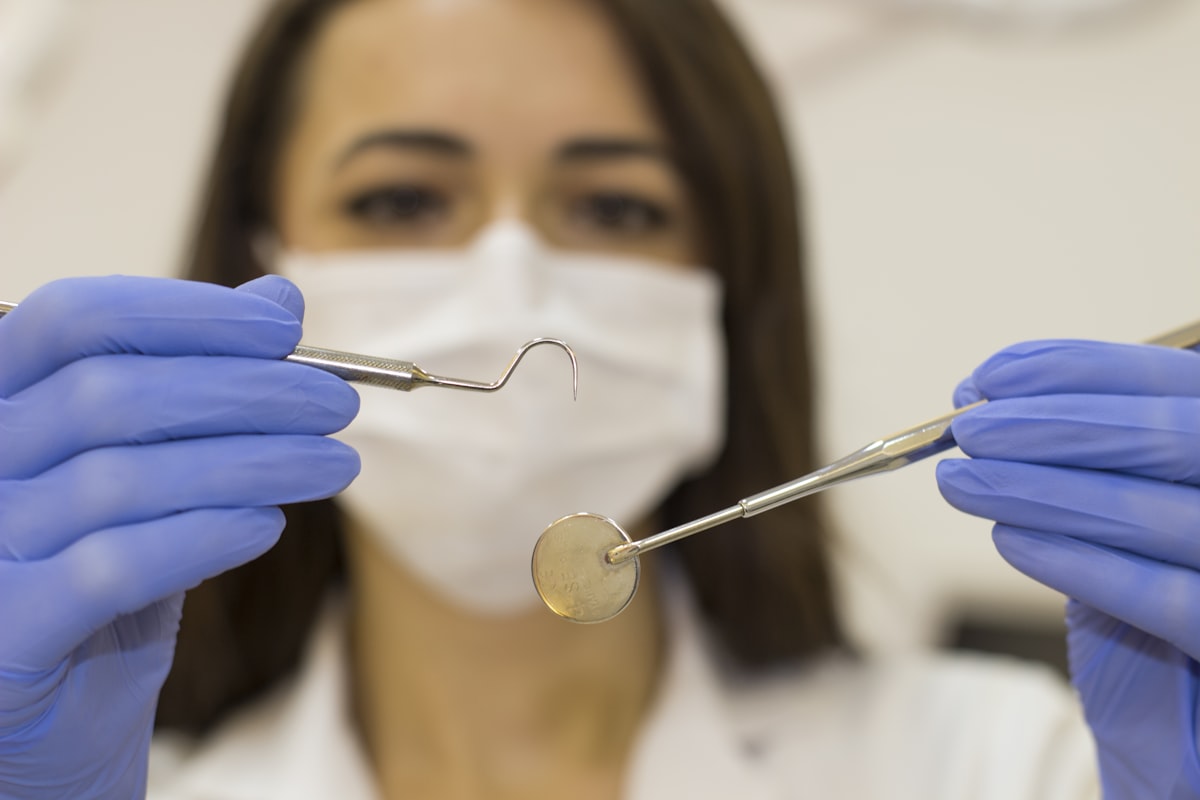
Getting braces is a significant investment in your smile and oral health. Whether you have traditional metal braces, ceramic braces, or self-ligating systems like Damon braces, proper care is essential for achieving the best results in the shortest possible time. Neglecting brace care can lead to cavities, stained teeth, gum problems, and extended treatment times. This guide covers everything you need to know about taking care of your braces from the day they are placed until the day they come off.
Cleaning Your Teeth with Braces
Braces create additional surfaces and tight spaces where food particles and plaque can accumulate. Without thorough cleaning, this buildup leads to cavities, white spot lesions (permanent enamel discoloration), and gum inflammation. Patients with braces need to be more diligent about oral hygiene than those without.
Brushing with Braces
Brush your teeth after every meal and before bed. With braces, this means brushing at least three to four times per day. Use the following technique:
- Rinse your mouth with water first to loosen food particles
- Use a soft-bristled toothbrush or an orthodontic toothbrush (one with a V-shaped bristle pattern designed to fit around brackets)
- Angle the brush at 45 degrees above the bracket, brushing downward along the top edge of each bracket
- Reposition the brush at 45 degrees below the bracket, brushing upward along the bottom edge
- Brush the chewing surfaces and the inner surfaces of all teeth
- Spend at least two to three minutes per brushing session
- Check your braces in a mirror after brushing to ensure no food remains
An electric toothbrush with an orthodontic head can make cleaning around brackets more efficient and effective.
Flossing with Braces
Flossing with braces takes more time than without them, but it is essential. The archwire prevents standard flossing motions, so you will need one of these tools:
- Floss threaders. These small, flexible loops allow you to thread regular floss under the archwire and between teeth. Thread the floss under the wire, then floss normally between each pair of teeth.
- Orthodontic floss. Pre-cut floss with a stiffened end that acts as a built-in threader, making it easier to navigate under the archwire.
- Interdental brushes. Small, cone-shaped brushes that fit between teeth and around brackets to remove plaque and food debris.
- Water flosser. A device that uses a pressurized stream of water to flush food particles and bacteria from around brackets, wires, and between teeth. Water flossers are an excellent complement to traditional flossing.
Aim to floss at least once per day, ideally before your final brushing session at night.
Using Mouthwash
An antimicrobial or fluoride mouthwash provides additional protection against plaque buildup and cavities. Swish for 30 to 60 seconds after brushing and flossing. Fluoride rinses are particularly beneficial for braces patients because they help strengthen enamel in areas that are difficult to clean thoroughly.
Foods to Avoid with Braces
Certain foods can damage brackets, bend wires, or become trapped in your braces. Avoiding these foods will prevent emergency orthodontic visits and keep your treatment on schedule.
Hard Foods
Hard foods can break brackets or snap wires:
- Hard candies and lollipops
- Nuts and hard pretzels
- Ice (never chew ice with braces)
- Popcorn kernels
- Raw carrots and apples (cut into small pieces instead of biting directly)
- Crusty bread and bagels
Sticky Foods
Sticky foods can pull brackets off teeth and are extremely difficult to clean from braces:
- Caramel and toffee
- Chewing gum (including sugar-free gum)
- Gummy candies and fruit snacks
- Taffy and licorice
Sugary Foods and Drinks
While not off-limits, sugary foods and beverages should be minimized. Sugar feeds the bacteria that cause cavities, and braces make thorough cleaning more difficult. If you do consume sugary items, brush your teeth as soon as possible afterward.
Foods That Are Safe to Eat with Braces
Plenty of nutritious and enjoyable foods are braces-friendly:
- Soft fruits like bananas, berries, and grapes
- Cooked vegetables
- Soft bread and tortillas
- Pasta and rice
- Yogurt, soft cheese, and pudding
- Tender meats, fish, and eggs
- Soups and stews
- Smoothies
When in doubt, cut food into small, bite-sized pieces and chew with your back teeth to reduce stress on your front brackets.
Handling Common Braces Emergencies
Minor issues with braces are common and usually manageable at home until you can see your orthodontist.
Loose or Broken Bracket
If a bracket comes loose from a tooth but is still attached to the wire, leave it in place and cover it with orthodontic wax to prevent irritation. Call your orthodontist to schedule a repair appointment. Do not attempt to remove the bracket yourself.
Poking Wire
If the end of a wire is poking your cheek or gum, try using a pencil eraser to gently push the wire flat against the tooth. If that does not work, cover the sharp end with a small piece of orthodontic wax. In some cases, you can use clean nail clippers to carefully clip the protruding wire as a last resort. Contact your orthodontist for a proper adjustment.
General Soreness
It is normal to experience soreness for a few days after your braces are placed or adjusted. Over-the-counter pain relievers such as ibuprofen or acetaminophen can help. Rinsing with warm salt water (one teaspoon of salt in a cup of warm water) can also soothe irritated gums and cheeks.
Orthodontic Wax
Keep orthodontic wax on hand at all times. Pinch off a small piece, roll it into a ball, and press it onto any bracket or wire that is causing irritation. Orthodontic wax is safe to swallow if accidentally ingested.
Protecting Your Braces During Physical Activity
If you play sports or participate in physical activities, wear a mouthguard designed for braces. Orthodontic mouthguards are made from flexible material that accommodates brackets and wires while protecting your teeth, lips, and cheeks from impact injuries. Standard mouthguards do not fit properly over braces and may cause damage.
Attending Orthodontic Appointments
Keep all scheduled orthodontic appointments. These visits are when your orthodontist adjusts the wire tension, monitors tooth movement, and addresses any issues with your braces. Missing appointments delays your treatment progress and can extend your overall treatment time. See our orthodontic treatment timeline for details on what happens at each phase.
At Picasso Dental Clinic, our orthodontic team provides detailed care instructions at every visit and is available to address concerns between appointments.
What Happens if You Do Not Care for Your Braces Properly?
Neglecting braces care can result in:
- White spot lesions. Permanent white marks on the enamel caused by demineralization around brackets. These spots remain visible even after braces are removed.
- Cavities. Plaque buildup around brackets increases cavity risk significantly.
- Gum disease. Inflammation and infection of the gums (gingivitis or periodontitis) from poor oral hygiene.
- Extended treatment time. Broken brackets and missed appointments add months to your treatment.
- Compromised results. Poor compliance with care instructions can reduce the quality of the final orthodontic outcome.
Frequently Asked Questions
How often should I brush my teeth with braces?
Brush after every meal and before bed, which typically means three to four times per day. If you cannot brush after a meal, rinse your mouth thoroughly with water until you can brush.
Can I use a regular toothbrush with braces?
Yes, but a soft-bristled toothbrush or a specialized orthodontic toothbrush will clean around brackets more effectively. Electric toothbrushes with orthodontic heads are also highly effective.
How long does it take to clean braces properly?
A thorough brushing and flossing routine with braces takes approximately 5 to 10 minutes per session. This is longer than without braces, but it is essential for maintaining healthy teeth throughout treatment.
What should I do if a bracket falls off?
Save the bracket and call your orthodontist to schedule a repair appointment. If the bracket is still attached to the wire, cover it with orthodontic wax to prevent irritation until your visit.
Related Reading
- How Much Do Braces Cost in Vietnam? 2026 Price Guide — Pricing for every type of braces in Vietnam before you commit
- Metal Braces in Hanoi — Full guide to metal braces treatment, process, and aftercare at our clinic
- Ceramic Braces in Hanoi — Special care considerations for tooth-colored ceramic brackets
- Invisalign Clear Aligners in Hanoi — A removable alternative that simplifies oral hygiene during treatment
- Types of Braces: A Complete Comparison Guide — Maintenance differences across all braces types
- How Braces Straighten Crooked Teeth — Understand why proper care directly affects how well braces move your teeth
- Orthodontic Treatment Timeline — How poor care can extend treatment and what to expect at each phase
- Damon Braces vs Traditional Metal Braces — How self-ligating systems affect cleaning and appointment frequency
- 8 Reasons Adults Choose Invisalign Over Metal Braces — Why the reduced maintenance burden is one reason adults prefer clear aligners
- 8 Ways Straight Teeth Improve Your Oral Health — Why good care during treatment leads to better long-term oral health outcomes
- Open Bite: Symptoms, Causes, and Treatment Options — Special care considerations when treating this specific type of malocclusion
- Night Guard for Bruxism — Protect your teeth from grinding during and after orthodontic treatment
- Dental Costs in Vietnam — Pricing for orthodontic treatment and care at our Hanoi clinic
- Contact Us — Schedule a braces care appointment at Picasso Dental Clinic

Medically reviewed by Dr. Phùng Văn Thuận, DDS — Orthodontics
Orthodontist with 10+ years and 1,500+ completed cases across fixed appliances, lingual orthodontics and Invisalign clear aligners.
Last reviewed: September 27, 2026