
Key answer
How long do dental implants last? Evidence-based answer drawing on 20-year survival data, factors affecting longevity, and real patient outcomes at Picasso Dental Clinic Vietnam.
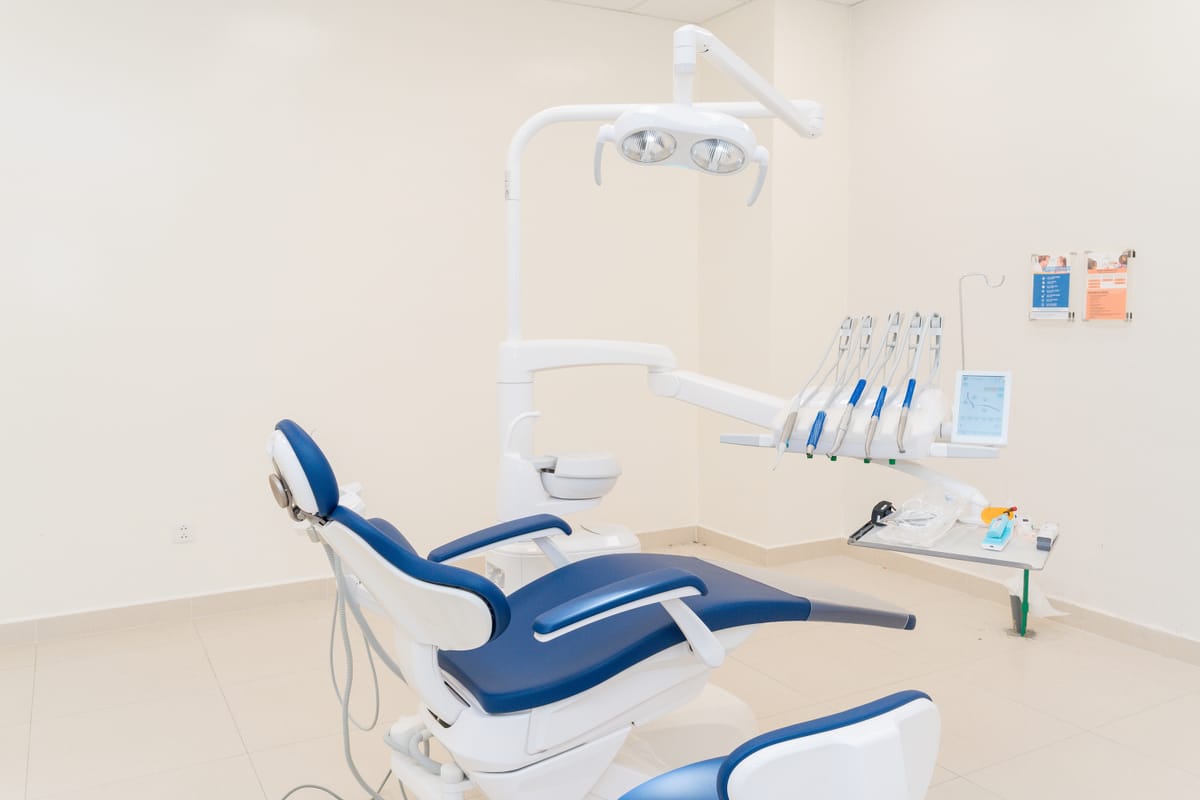
“How long will my implant last?” is one of the first questions patients ask at Picasso Dental Clinic, and it is one of the most important. A dental implant is a significant investment — financially, physically, and emotionally. Understanding what the clinical evidence actually shows, what drives longevity, and what distinguishes a lifetime implant from one that fails at 7 years is essential to making an informed decision.
The honest, evidence-based answer: a well-placed dental implant in a healthy patient can last a lifetime. The titanium fixture that integrates with your bone is not subject to decay. It does not have nerve tissue that can become infected. It does not wear the way natural tooth enamel does. With proper maintenance, many implants placed in the 1980s during the pioneering era of osseointegration are still functional today — 40 years later.
But “can last a lifetime” is not the same as “will last a lifetime.” Patient factors, surgical technique, implant brand, and maintenance behavior all play significant roles in whether an implant reaches that potential. This article breaks down the survival data by time horizon, identifies the key variables, and explains what Vietnam’s most experienced implant clinics are doing to maximize outcomes.
What the 5-Year Data Shows
Five-year survival data is the minimum meaningful benchmark in implant research. By five years, early failures have typically occurred and been resolved, osseointegration has long since completed, and the implant is being assessed in its functional state.
Dental implants are widely documented to have high survival rates at the 5-year mark when placed in ideal conditions by experienced surgeons using premium systems (Straumann, Nobel Biocare, Osstem).
These outcomes apply equally to implants placed in Vietnam using the same brands and following the same surgical protocols. The material science is identical; the clinical evidence is transferable.
More detail on brand-specific survival figures is available in our guide to dental implant failure rates by brand in Vietnam.
What the 10-Year Data Shows
Ten years is widely considered the gold-standard benchmark for implant survival studies. Reaching ten years with an integrated, functional implant is strong evidence of long-term success.
Dental implants are widely documented to have high long-term survival rates at the 10-year mark when properly placed and maintained. The clinical literature consistently identifies peri-implantitis as the main driver of the failures that do occur over this period.
The critical finding from 10-year data is that peri-implantitis — bacterial infection of the tissue surrounding the implant — emerges as the dominant cause of late implant failure. Early failures (within the first year) are primarily biological (failure to osseointegrate) or surgical. Late failures, occurring years after successful integration, are almost always maintenance failures: inadequate oral hygiene and insufficient professional monitoring allowed peri-implantitis to progress to the point of bone loss around the implant.
This distinction has a practical implication: if you maintain good oral hygiene and attend professional cleaning appointments at 6-month intervals, your risk of peri-implantitis — and therefore late implant failure — is dramatically reduced. Late implant failure is not primarily a brand problem or a surgical problem. It is a maintenance problem.
At Picasso Dental Clinic, all implant patients are enrolled in a structured recall program. We monitor probing depths around implant sites, take periodic radiographs to assess crestal bone levels, and intervene early when signs of peri-implantitis are detected — before the situation becomes irreversible.
What the 15-Year Data Shows
Fifteen-year implant data thins considerably compared to 5- and 10-year data, because long-term prospective follow-up studies require sustained institutional commitment over many years. However, existing 15-year data continues to show excellent outcomes.
Dental implants are widely documented to continue performing well at the 15-year mark, with bone loss around surviving implants typically remaining minimal in patients who maintain good oral hygiene.
The 15-year data reinforces what the 10-year data suggested: long-term survival is strongly associated with hygiene behavior. Patients who attended recall appointments consistently showed dramatically lower rates of peri-implantitis and bone loss compared to those who did not.
By 15 years, a notable proportion of patients in these cohorts had required crown replacement (not implant replacement). The titanium fixture remained in place and functional, but the ceramic crown on top required renewal due to wear, chipping, or marginal deterioration. This is an important distinction: the implant itself outlasted the crown — and crown replacement is a relatively straightforward chairside procedure.
What the 20-Year Data Shows
Some of the earliest long-term data in implant dentistry comes from the pioneering era of osseointegration research in the 1980s, which established that implants can remain functional for decades. Survival rates in the lower jaw (mandible) have generally been reported as somewhat higher than in the upper jaw (maxilla), reflecting the typically softer bone density found in the maxilla, particularly in posterior regions.
More recent studies using modern implant surfaces (SLA, SLActive) and a better understanding of risk factors show improved outcomes compared to the earliest published data.
The consistent message from 20-year data: dental implants are genuinely long-term restorations, with the majority surviving to the two-decade mark without failure of the implant fixture itself. Those that do fail over this period typically fail in the middle period (5–15 years) from peri-implantitis rather than in the early post-surgical phase or from catastrophic mechanical failure.
Crown Lifespan vs Implant Lifespan
One of the most important distinctions patients do not always understand is that a dental implant has two components with very different longevities:
The implant fixture (the titanium post in the bone) is designed to last a lifetime. It is made from medical-grade titanium alloy (Grade 4 commercially pure titanium or Grade 5 Ti-6Al-4V ELI), which is biologically inert, corrosion-resistant, and mechanically robust. It does not decay. As long as the surrounding bone remains healthy and peri-implantitis is prevented, the fixture itself has no inherent reason to fail.
The crown (the ceramic tooth that sits above the gum line) has a functional lifespan of approximately 15–20 years under normal conditions. Like any ceramic restoration, the crown can chip, wear, or develop marginal gaps over time. When this occurs, the crown is replaced at the abutment level — the implant itself is not disturbed.
This is why full implant system cost comparisons should always specify what is included. An implant that lasts a lifetime but requires crown replacement every 15–20 years is a very different long-term cost proposition than a traditional dental bridge that may need full replacement every 10–15 years (and involves preparing adjacent healthy teeth).
The total cost of dental implant treatment in Vietnam including initial placement and one or two crown renewals over a 40-year period is typically still lower than equivalent bridge replacement costs in Australia or North America.
What Affects Implant Longevity
The following patient-specific factors are the strongest predictors of whether an implant will reach its lifetime potential.
Smoking
Smoking is the most powerful modifiable risk factor for implant failure. The published literature consistently shows failure rates 2–3 times higher in smokers compared to non-smokers. Nicotine causes vasoconstriction — it reduces blood flow to the periosteum (the membrane covering the bone), slowing the vascularization required for osseointegration. Smokers also have suppressed neutrophil function, increasing susceptibility to peri-implant infection.
Patients who quit smoking at least 8 weeks before surgery and maintain cessation through the osseointegration period achieve outcomes significantly closer to non-smokers. Continuing to smoke after implant placement elevates the lifetime risk of peri-implantitis substantially.
Diabetes
Uncontrolled diabetes impairs the body’s ability to mount an immune response and heal tissue. It is associated with slower osseointegration, higher early failure rates, and greater susceptibility to peri-implantitis. However, well-controlled diabetes (HbA1c below 7.0) does not appear to significantly elevate implant failure risk compared to non-diabetic patients. Patients with diabetes considering implants should work with their primary care physician to optimize glycemic control before and after surgery.
Oral Hygiene
As emphasized repeatedly in the survival data section, peri-implantitis is the dominant cause of late implant failure — and peri-implantitis is almost entirely a hygiene-driven disease. Patients who maintain diligent home care (twice-daily brushing, daily use of a water flosser or implant-specific floss) and attend professional cleaning appointments every six months have dramatically lower rates of peri-implantitis than those who do not.
This is not a passive consideration — it is the single most controllable factor in whether your implant survives to 20 years.
Bruxism
Teeth grinding generates forces that can exceed 900N — far higher than normal chewing forces. These cyclic overloads stress the implant-bone interface and can cause crestal bone loss or micro-movement that disrupts osseointegration in the early post-surgical period. Later in the implant’s life, bruxism accelerates crown wear and increases the risk of crown fracture or screw loosening.
Custom-fitted night guards are essential for bruxers with implants. The night guard absorbs and distributes the forces generated during sleep bruxism, protecting both the implant and its prosthetic components.
Bone Quality
Type I and II bone (dense cortical bone) achieves higher insertion torque and more rapid vascularization during osseointegration. Type III and IV bone (softer, more cancellous) requires longer healing periods and may need modified surgical protocols. Bone quality is assessed via CBCT scan before implant placement. When bone volume is insufficient, bone grafting is performed to create adequate volume before or concurrent with implant placement.
Signs an Implant May Be Failing
Patients should be aware of the following indicators that warrant prompt evaluation:
- Pain or discomfort around the implant site — especially if it appears after a period of no symptoms
- Bleeding on probing — when your hygienist probes around the implant and bleeding occurs, this signals peri-implant inflammation
- Radiographic bone loss — visible on annual X-rays as a progressive reduction in bone level around the implant
- Implant mobility — a healthy, osseointegrated implant should have zero detectable movement; any mobility indicates failure of the bone-implant interface
- Swelling or fistula — a small pimple-like swelling on the gum near the implant often indicates an underlying infection
- Loose crown or abutment — the crown or the connector between crown and implant can loosen; this is repairable but should be addressed promptly to prevent bone loss
None of these signs guarantee that the implant is failing — some are minor issues easily addressed with professional intervention. But they all warrant prompt evaluation rather than watchful waiting.
Vietnam-Specific Considerations
Patients who receive dental implants in Vietnam and return to their home country face unique considerations for long-term management:
Implant documentation — Picasso Dental provides every patient with a full implant record including brand, model, lot number, implant diameter and length, and placement date. This documentation should be shared with your local dentist so that compatible components (crowns, abutments, screws) can be sourced if needed in future.
Local recall appointments — Annual radiographic assessment and 6-monthly professional cleaning should continue with your local dentist at home. The implants do not require specific follow-up in Vietnam to function correctly — they need the same routine maintenance that any dental practice can provide.
Crown replacement — When the time comes for crown renewal (typically 15–20 years), this can be performed by your local dentist using components ordered through the implant brand’s distribution network. Straumann, Nobel Biocare, and Osstem all maintain global distribution networks.
Emergency care — If a crown debonds or a screw loosens, any dentist familiar with the implant system can address this. Carry your implant documentation when traveling.
Frequently Asked Questions
Q: Will my dental implant last forever? A: The titanium fixture can last a lifetime with proper care — and many implants placed 30+ years ago are still functional today. The crown attached to the implant will typically need replacement every 15–20 years. Whether an implant reaches its lifetime potential depends primarily on oral hygiene, smoking status, and management of systemic health factors.
Q: What is the difference between implant survival rate and implant success rate? A: Survival rate measures whether the implant is still in place. Success rate is a more demanding measure that typically requires the implant to meet specific criteria: no pain, no mobility, no radiographic bone loss beyond accepted thresholds, and no peri-implantitis. An implant can be “surviving” but not technically “successful” if it has chronic peri-implantitis with managed bone loss. Our dental implant success rate guide explains this distinction in detail.
Q: Does the brand of implant affect how long it lasts? A: Yes, to a degree. Premium brands (Straumann, Nobel Biocare) have longer published follow-up data than other brands such as Osstem. However, patient factors — particularly hygiene and smoking — have a larger influence on individual outcomes than brand choice alone. More detail is in our implant failure rates by brand guide.
Q: How do implants compare to bridges for longevity? A: Implants are widely documented to have higher long-term survival rates than conventional bridges, and adjacent teeth used as bridge abutments can show accelerated wear and decay over time. Implants preserve adjacent tooth structure and bone in ways that bridges cannot.
Q: Can I get an implant replaced if it fails? A: In most cases, yes. After the failed implant is removed and the site heals (typically 3–6 months), re-implantation is possible, sometimes after bone grafting if bone loss occurred. The success rate for re-implantation is somewhat lower than for primary placement, but most patients can successfully receive a replacement implant.
Q: How often do I need X-rays for my implant after placement? A: A baseline radiograph is taken immediately after placement and again at 6 months and 1 year. Subsequently, annual radiographs are recommended to monitor crestal bone levels. Any change in bone level from baseline is an early indicator that peri-implantitis may be developing.
Q: Do implants affect MRI scans? A: Modern titanium dental implants are MRI-compatible. They do not contain ferromagnetic material and will not move or heat significantly in an MRI magnetic field. You should still disclose the presence of implants to your radiologist before any MRI scan, as the implants may cause minor image artifacts in the local area.
Q: What is the lifespan of bone grafting material if I needed a graft before my implant? A: Bone graft material (typically bovine-derived hydroxyapatite such as Bio-Oss) is gradually replaced by the patient’s own bone over 6–24 months. Once the implant is placed into grafted bone and osseointegration occurs, the grafted area is structurally integrated into the jawbone and is not subject to a separate lifespan — it behaves like native bone.
Related Reading
- Dental Implant Services at Picasso Dental
- Dental Implant Cost in Vietnam
- Dental Implant Success Rate in Vietnam
- Dental Implant Failure Rates by Brand in Vietnam 2026
- Best Dental Implant Brands in Vietnam 2026
- Complete Dental Implant Procedure Guide
- Bone Grafting Services
- Same-Day Dental Implants in Vietnam
- Top 7 Signs You Need Dental Implants — Clinical indicators that suggest dental implants may be the right solution for you
- How to Prepare for Dental Implants in Vietnam 2025 — Complete preparation guide for international patients considering implants in Vietnam
- 5 Implant Brands Picasso Dental Uses — The implant systems Picasso Dental selects, and why brand choice directly affects long-term lifespan data.

Medically reviewed by Dr. Emily Nguyen, DDS — Implant & Cosmetic Dentistry
Founder and Principal Dentist of Picasso Dental, with 15+ years in implant surgery, periodontics and full-arch (All-on-4) rehabilitation. Read full bio
Last reviewed: October 25, 2026