Key answer
A complete guide for retirees considering dental work in Vietnam. Health considerations, senior-friendly clinics, costs, insurance, and how to plan a safe dental trip after 60.
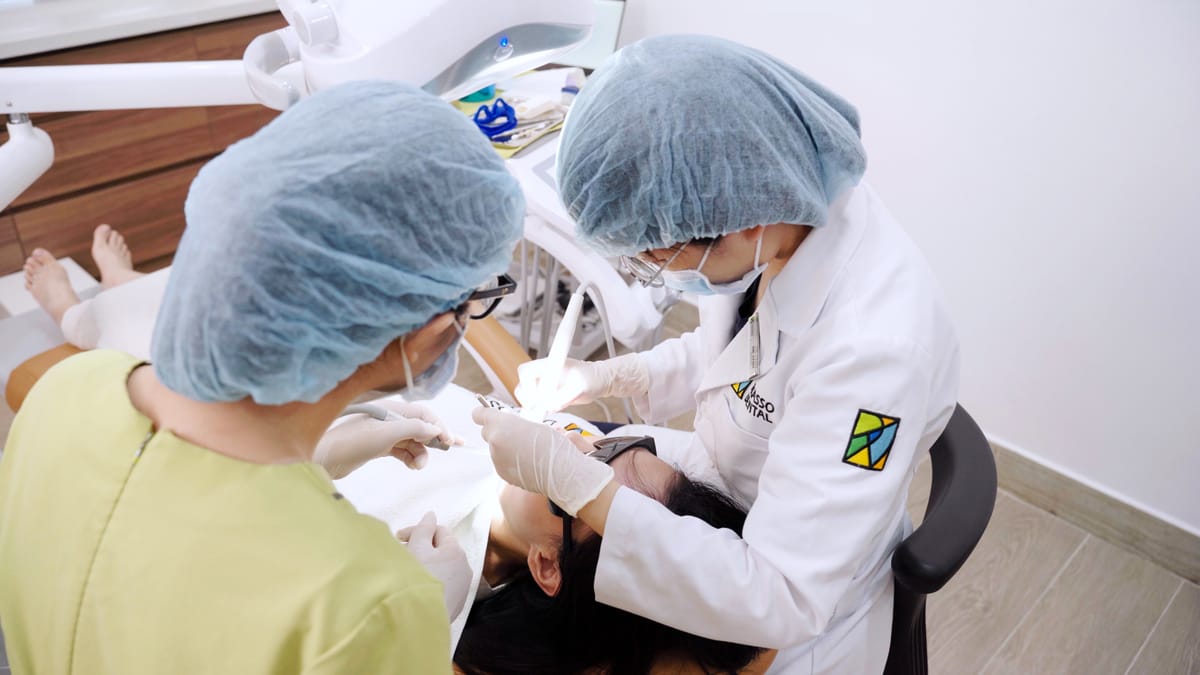
Retirees are the fastest-growing demographic in dental tourism. The reasons are both practical and financial. After a lifetime of dental work, many people in their 60s, 70s, and beyond are facing significant restorative needs — implants to replace failing teeth, full arch reconstructions to address long-term tooth loss, or complete smile rehabilitations that private dental fees in the UK, USA, Australia, or Canada have pushed out of reach. At the same time, retirees often have more flexibility to plan a 10–14 day overseas trip than working-age patients. And for retirees on fixed incomes — a pension, Social Security, or superannuation — a large US dental bill, a substantial UK private dental bill, or a costly Canadian procedure represents a profound financial burden that dental tourism in Vietnam resolves.
The key questions for older patients are different from those of younger dental tourists. It is not just about the savings. Retirees want to know: Is it safe for someone my age to travel to Vietnam for major dental work? Will my medications or medical conditions affect treatment? What happens if there is an unexpected health event? How can I plan the trip to be comfortable and manageable? And what are the specific dental procedures most commonly needed by patients over 60?
This guide addresses all of those questions directly and practically. If you are a retiree considering dental work in Vietnam, this is the most complete resource you will find.
Why Retirees Are Choosing Vietnam for Dental Care
The Economics of Retirement Dentistry
Dental insurance in retirement is a common gap. In the United States, Medicare does not cover routine dental care — there is no dental coverage under traditional Medicare for implants, crowns, or dentures. Medicare Advantage plans offer some dental benefits, but the annual caps are standard and represent only a fraction of what major dental work costs. Many retirees exhaust their dental benefit in a single visit.
In the United Kingdom, NHS dentistry provides Band 3 treatment (the highest band) covering complex work including crowns and dentures — but NHS implants are not available to most patients, and the NHS waiting list for even Band 3 treatment can be significant. Private implants in the UK carry a substantial per-implant cost.
In Australia, the Chronic Disease Dental Scheme and Child Dental Benefits Schedule do not cover adults for major restorative work, and the average Australian retiree faces a significant out-of-pocket bill for implant treatment. In Canada, the CDCP launched in 2024 but covers limited categories and income brackets.
Vietnam’s dental pricing represents an opportunity for retirees who have the health and mobility to travel. A full arch All-on-4 in Vietnam costs a fraction of the equivalent procedure in the US, UK, or Australia. Even on a pension income, the savings on a single procedure can be a life-changing difference. For current pricing on any procedure, see picassodental.vn/dental-costs.
Combining Dental Treatment with Retirement Travel
Many retirees in their 60s and early 70s are active travellers. Vietnam is a consistently outstanding destination — the food, culture, history, and natural scenery rank among the world’s best. A dental trip that also covers Ha Long Bay, Hoi An, Hue, or the Mekong Delta offers genuine value beyond the clinical treatment. Retirees who have always wanted to visit Southeast Asia find that a Picasso dental trip provides the practical structure for a trip they might otherwise not have prioritised.
Health Considerations for Older Patients
This section addresses the medical factors that older patients — and their GPs or physicians — most commonly ask about before dental treatment in Vietnam.
Bone Density and Implants
Bone density decreases with age, particularly after 60, and particularly in women post-menopause. Adequate bone density is necessary for successful osseointegration (the process by which a titanium implant fuses with the jawbone). At Picasso Dental Clinic, every implant patient undergoes a 3D CBCT scan prior to treatment planning. This scan precisely measures bone density and volume at the implant site, allowing the clinical team to determine:
- Whether a standard implant can be placed directly
- Whether bone grafting is required (adding bone volume before or at the time of implant placement)
- Whether a short implant, narrow implant, or alternative implant design is more appropriate
- Whether zygomatic implants or other advanced options are needed for very low bone volume
Reduced bone density does not automatically disqualify a patient from implant treatment. It requires careful clinical assessment and, in some cases, additional preparatory procedures. If you are concerned about bone density, a panoramic X-ray from your local dentist (which can be shared with Picasso before your trip) will give an initial indication of bone volume.
Medications Affecting Healing
Several medications commonly taken by older patients can affect dental treatment outcomes:
Blood thinners (anticoagulants): Warfarin, apixaban (Eliquis), rivaroxaban (Xarelto), clopidogrel (Plavix), and aspirin all affect bleeding and clotting during and after dental surgery. Implant placement involves minor surgery, and stopping or adjusting anticoagulants around the procedure requires coordination between your prescribing physician and the dental team. In many cases, low-dose aspirin can be continued safely through minor implant surgery; other anticoagulants may require temporary dose adjustment. This discussion should happen before you travel — Picasso’s clinical team can provide specific guidance once they know your medications.
Bisphosphonates (for osteoporosis): Alendronate (Fosamax), risedronate (Actonel), and intravenous bisphosphonates (zoledronic acid, pamidronate) carry a small risk of osteonecrosis of the jaw (ONJ) — a complication in which bone healing is impaired after dental surgery. The risk is much higher with intravenous bisphosphonates (used for cancer) than with oral bisphosphonates (used for osteoporosis). For patients on oral bisphosphonates, the risk of ONJ from implant placement is low but not zero. Picasso’s clinical team will assess this risk in the context of your specific medication, duration of use, and treatment plan. In many cases, implant treatment proceeds safely. This should be disclosed clearly during the pre-arrival consultation.
Corticosteroids: Long-term steroid use (prednisolone, dexamethasone) can affect bone healing and immune response. Disclose any steroid medications to the Picasso clinical team before treatment planning.
Diabetes medications: Poorly controlled diabetes significantly affects wound healing and osseointegration success rates. Well-controlled diabetes (HbA1c under 7.5%) does not significantly impair implant outcomes. Inform Picasso of any diabetes diagnosis and share your most recent HbA1c result. If your diabetes is well managed, implant treatment in Vietnam is generally appropriate.
Other medications: Provide a full medication list to Picasso’s team during the pre-arrival consultation. This includes all prescription medications, over-the-counter drugs, and supplements (fish oil, vitamin E, and some herbal supplements affect bleeding). Transparency here ensures the clinical team can plan appropriately.
Age Itself Is Not a Barrier
Many of Picasso’s international patients are in their 60s, 70s, and 80s. Age alone is not a contraindication to dental implants or major restorative work. The relevant factors are bone density, systemic health, and medications — all of which are assessed during the pre-treatment consultation. Patients well into their 80s have successfully received implants at leading Vietnamese clinics.
Age-Friendly Features of Picasso Dental Clinic
Physical Accessibility
Picasso’s Hanoi clinic at 16 Chau Long, Ba Dinh is located in a central district with accessible ground-level and elevator access. The clinic’s treatment rooms are designed for patient comfort during extended appointments. For patients with mobility limitations or who use a walking aid, the clinical team accommodates these needs. If you have specific mobility concerns, notify Picasso’s coordination team in advance so that appointments can be planned accordingly.
Extended Appointment Times
Older patients often require longer appointments for treatment than younger patients — not because the procedure itself is more complex, but because comfort, rest periods, and a relaxed pace matter more. Picasso’s scheduling for older international patients builds in adequate time. You will never feel rushed through a procedure.
Sedation Options
For anxious patients or patients undergoing longer procedures, Picasso offers oral sedation and conscious sedation options. For older patients with dental anxiety or who find extended clinic time stressful, sedation dentistry allows procedures to be completed comfortably. Discuss your preferences and any concerns about sedation with the clinical team during your pre-arrival consultation — the team will advise appropriate options based on your health history.
Companion Arrangements
Many retirees travel with a spouse, partner, or companion. Picasso’s clinic is comfortable for accompanying companions who wait during appointments. The clinic is also located in an area of Hanoi with easy walking access to cafes, restaurants, and the nearby Ba Dinh area. Companions are welcome to accompany patients into consultation rooms. Contact the clinic to discuss companion arrangements.
Procedures Most Commonly Needed by Older Patients
Dental Implants
Single implants to replace missing teeth are among the most common procedures for patients in their 60s. Long-term tooth loss, failed crowns or bridges, or teeth extracted years ago and not replaced create the need for individual implant placement. Picasso uses Straumann (Switzerland), Nobel Biocare (Sweden), and Osstem (Korea) implant systems, all with long clinical histories and excellent outcomes data. Per-implant pricing in Vietnam represents a substantial saving compared to the US — see current implant pricing. Learn about our implant service.
All-on-4 and All-on-6 Full Arch Implants
All-on-4 is the most transformative procedure for patients with most or all teeth missing in one or both arches. Four to six strategically placed implants support a full arch of replacement teeth — a fixed prosthesis that functions like natural teeth and eliminates the problems of loose dentures. For retirees who have been struggling with dentures for years, All-on-4 is life-changing. Vietnam is one of the most affordable places in the world to have this procedure performed with premium implant brands. Learn about All-on-4.
Per-arch pricing in Vietnam represents a fraction of the equivalent procedure cost in the US — see current All-on-4 pricing.
Dental Crowns
Older patients often have multiple teeth with large old fillings, cracked teeth, or root-canal-treated teeth that need crowns. Replacing 8–12 crowns at US private rates adds up quickly. The same work in Vietnam using zirconia or e.max crowns costs a fraction of that total — a saving that makes the trip worthwhile for patients needing multiple crowns. See current crown pricing for details.
Dentures (Implant-Retained and Conventional)
Implant-retained dentures — dentures anchored by 2–4 implants for stability — are an excellent solution for patients who want the security of implants without the full cost of All-on-4. Conventional full dentures are also available at Vietnam’s clinics at dramatically lower cost than home-country rates. Learn about our denture and implant-retained denture options.
Root Canal Treatment
Older teeth with deep decay or infected roots sometimes require root canal therapy. Root canal costs in the US are substantially higher than the equivalent treatment in Vietnam. For patients needing multiple root canals, this saving alone can be significant. See current root canal pricing.
Planning a Retiree Dental Trip: Step by Step
Step 1: Medical Clearance from Your GP or Physician
Before planning a dental trip to Vietnam, have a conversation with your GP or primary care physician. The discussion should cover:
- Your current medications and whether any need adjustment around dental surgery
- Your cardiovascular health (relevant for patients considering sedation)
- Your diabetes control if applicable
- Any recent bone density scans if you are considering implants
- Your fitness to travel internationally
Ask your GP for a brief written summary of your relevant medical conditions and medications to share with Picasso’s team. This is standard practice for dental tourism patients and your GP should be familiar with the request.
Step 2: Pre-Arrival Video Consultation with Picasso
Contact Picasso to arrange a video consultation. Share your medical summary, existing X-rays, and any relevant dental records from your home dentist. Picasso’s team will prepare a preliminary treatment plan and cost estimate. This step can be done from home, weeks or months before you book flights.
Step 3: Flight and Accommodation Planning
For older patients, comfort matters on a long-haul flight. Consider:
- Business class or premium economy for flights over 10 hours — the ability to lie flat or recline significantly reduces physical fatigue on arrival
- Booking an aisle seat for easier movement during the flight (important for patients with mobility or circulation concerns)
- Compression socks for flights over 8 hours — reduces the risk of DVT (deep vein thrombosis), relevant for older passengers and patients who will be having dental surgery
- Direct or minimal-connection routing — a single connection is preferable to two for older travellers
For accommodation near Picasso’s Hanoi clinic (16 Chau Long, Ba Dinh), the Ba Dinh and Hoan Kiem districts have numerous comfortable, well-serviced hotels at mid-range and premium price points. Ground-floor or elevator-equipped rooms are standard at modern hotels. Ask Picasso’s team for accommodation recommendations near the clinic — they can suggest options appropriate for older patients.
Step 4: Travel Insurance — What Matters for Retirees
For retirees, travel insurance deserves more attention than for younger travellers:
- Medical emergency coverage: Essential. Ensure the policy includes medical evacuation if needed. Hanoi and HCMC have good international hospitals, but for extreme emergencies, medical evacuation to Singapore or home may be relevant.
- Age limits: Many standard travel insurance policies have age cut-offs or loading fees for travellers over 70 or 75. Senior-specialist travel insurance providers (World Nomads, InsureMyTrip, and similar) offer comprehensive policies for older travellers.
- Pre-existing condition coverage: Retirees often have pre-existing conditions. Declare these when purchasing insurance — failure to declare can void coverage. Policies that cover pre-existing conditions are more expensive but provide genuine protection.
- Trip interruption and cancellation: Relevant if a health event at home prevents travel as planned.
Standard travel insurance does not cover planned elective dental procedures. Picasso’s own guarantee covers the clinical dental work.
Step 5: Travel with a Companion
For retirees over 70 or patients having major procedures (All-on-4, multiple implants, bone grafting), travelling with a companion is strongly recommended. A companion can:
- Assist with logistics on arrival (navigation, transport, luggage)
- Accompany you to the clinic and wait during appointments
- Monitor your recovery after implant placement days
- Assist with medication timing
- Provide reassurance in an unfamiliar environment
Many retirees bring their spouse, an adult child, or a trusted friend as a companion. The companion’s costs (flights, hotel) add to the trip budget, but for major procedures the peace of mind is worth it.
Cost Savings in a Retirement Context
To understand the significance of dental tourism savings for retirees, consider these comparisons:
US Retiree example: A 67-year-old American retiree receiving Social Security with Medicare but no dental coverage faces a substantial All-on-4 (both arches) quote from a US dental practice — representing many months of Social Security income. The same procedure in Vietnam, even including flights and accommodation, comes in at a fraction of the US total, freeing up a material amount of retirement financial security.
UK Retiree example: A 72-year-old British retiree receiving the State Pension needs an All-on-4 quoted at a high price by their private UK dentist. In Vietnam, the same procedure, including flights and accommodation, costs significantly less — a meaningful saving on a pension income.
Australian Retiree example: A 70-year-old Australian retiree on superannuation drawdown is quoted a large sum for an All-on-4 (both arches) by their Sydney implant specialist. In Vietnam, the same procedure with flights and accommodation included comes to a fraction of that quote.
For current pricing details and verified patient reviews from retiree patients, visit those pages.
Top 5 Dental Clinics in Vietnam for Retirees
1. Picasso Dental Clinic — Best Clinic for Older International Patients
Locations:
- Hanoi: 16 Chau Long, Ba Dinh District
- Ho Chi Minh City: 25B Nguyen Duy Hieu, Thao Dien, Quan 2
- Da Nang: 420 Hoang Dieu
- Da Lat: 55 Ha Huy Tap
Book online: WhatsApp +84 989 067 888 | Open Mon–Sun 8:30–18:00
Picasso Dental Clinic is the top recommendation for retirees due to its comprehensive international patient infrastructure. For older patients specifically:
- Medical history review as standard. Picasso’s pre-treatment process includes a thorough review of medical history, medications, and existing conditions. Older patients with complex medical backgrounds are accommodated with appropriate protocol adjustments.
- Experienced handling of implant cases with reduced bone density. The clinical team is experienced with older patients requiring bone grafting alongside implants — a more common need in patients over 60.
- Comprehensive written guarantee. For retirees making a significant financial decision, Picasso’s 25-year implant guarantee and 5–10 year crown guarantee provide important long-term assurance.
- English-speaking coordination throughout. For older patients who may find navigating a foreign country challenging, Picasso’s seamless English communication removes a significant stressor.
- Established international patient experience. A clinic that has treated 70,000+ international patients from 65+ countries has the systems, infrastructure, and experience to manage the needs of older patients effectively.
Read verified patient reviews and contact the team to start your pre-arrival consultation.
2. Hanoi Dental Clinic
Solid, established clinic with good implant and restorative capability. Experienced with older patients. A competent alternative, though less comprehensive than Picasso for complex cases.
3. Elite Dental Vietnam (HCMC)
Good choice for retirees visiting Ho Chi Minh City. Experienced international patient team. Solid implant and crown capability for straightforward cases.
4. Nha Khoa Kim (HCMC)
Accessible, large-format clinic chain across HCMC. Good for routine and restorative work. Multiple locations add convenience.
5. Rose Dental Clinic (Hanoi)
Boutique Hanoi clinic suited to retirees whose primary need is cosmetic — veneers, whitening, smile improvement. For implant-heavy treatment plans, Picasso remains the stronger recommendation.
Frequently Asked Questions
Am I too old for dental implants?
No. Age alone is not a contraindication to dental implants. The relevant factors are bone density, systemic health, and medications — all of which are assessed during the clinical examination at Picasso. Many patients in their 70s and 80s successfully receive implants at Picasso and other leading Vietnamese clinics. The consultation process at Picasso includes a 3D CBCT scan that precisely measures bone density and volume, allowing the clinical team to design a treatment plan appropriate for your specific anatomy. Learn about our dental implant service.
I take blood thinners. Can I still have implants in Vietnam?
In most cases, yes — but it requires careful planning and coordination with your prescribing physician before travel. The approach depends on the specific medication. Low-dose aspirin is often continued through minor dental surgery with acceptable bleeding risk. Warfarin typically requires INR testing close to the procedure date and may need temporary dose adjustment under physician guidance. Newer anticoagulants (DOACs like apixaban or rivaroxaban) have specific protocols for dental surgery. Discuss this with both your GP and Picasso’s clinical team during the pre-arrival video consultation. Do not stop blood thinners without physician guidance.
How physically demanding is a dental trip to Vietnam for someone in their 70s?
A well-planned dental trip to Vietnam is manageable for healthy retirees in their 70s. The key factors are: flying comfortably (business class or premium economy recommended for long-haul), staying in a comfortable hotel near the clinic, keeping the daily schedule relaxed on clinical days, and having a companion for major procedure days. The clinic itself is accessible, appointments are not physically demanding for the patient (you are mostly sitting in a chair), and post-procedure recovery is typically mild (soreness, some swelling for 2–3 days after implant placement). Strenuous sightseeing should be avoided for the 48 hours immediately following surgery. Gentle exploration — walks in Hanoi’s Old Quarter, a leisurely lake-side coffee — is fine.
What happens if I have a medical emergency in Vietnam unrelated to the dental treatment?
Hanoi and Ho Chi Minh City have international-standard hospitals. Hanoi French Hospital (Bệnh viện Pháp Việt) and Vinmec International Hospital are well-equipped facilities with English-speaking staff familiar with treating international patients. HCMC has FV Hospital (Franco-Vietnamese Hospital) and Vinmec, among others. For serious medical emergencies, medical evacuation to Singapore is feasible within hours. Comprehensive travel insurance with medical emergency and evacuation coverage is essential for older travellers — purchase this before leaving home.
How do I handle my medications during the trip?
Carry all medications in your carry-on luggage (not checked baggage) in their original labelled containers. Bring more than enough for the planned trip duration plus a buffer (e.g., if travelling for 12 days, bring 20 days of medication to cover delays). For medications that require refrigeration, check with the airline and hotel in advance about cold storage options. A written medication list from your GP, with dosages and generic names, is helpful both for the Picasso clinical team and in case of emergency medical treatment in Vietnam.
Is the food in Vietnam suitable for post-implant recovery?
Vietnamese cuisine is excellent for soft-food recovery. Pho (noodle soup), congee (rice porridge), steamed rice, soups, and noodle dishes are gentle on healing implant sites and available everywhere in Hanoi and HCMC. Your Picasso coordinator will provide specific dietary guidance for the days immediately following implant surgery — typically a soft diet for 48–72 hours, avoiding hard, crunchy, or very hot foods. Vietnam’s food scene makes this restriction easy to follow without feeling deprived.
My spouse needs to accompany me. Are there activities for them while I am at the clinic?
Yes — Hanoi is an outstanding destination for both the patient and their companion. Hanoi’s Old Quarter is a walkable, fascinating neighbourhood with temples, lakes, street food, markets, and cafes within easy reach of the clinic. The Vietnam Museum of Ethnology, Hoan Kiem Lake, and the Temple of Literature are all nearby and accessible without strenuous walking. For day trips, Ha Long Bay (4 hours) and Ninh Binh (2 hours) are outstanding excursions. Your companion will not be short of things to do on your treatment days.
How do I start the process?
Book online, or contact Picasso Dental Clinic via the website. Arrange a free pre-arrival video consultation with the international patient team. Bring any dental records, X-rays, and your medication list to the call. The team will provide a preliminary treatment plan, cost estimate, and appointment schedule. From there, you can plan your flights and accommodation with confidence that your clinical treatment is already organised. Read patient reviews from other retirees who have made the trip, and visit our guarantee program page for details on how we protect your investment.
Related Reading
- Dental Work in Vietnam — Everything You Need to Know
- Full Dental Costs and Price List 2026
- Top 10 Dental Clinics in Vietnam for Foreigners 2026
- All-on-4 Dental Implants — What You Need to Know
- Dental Tourism: Vietnam vs Thailand 2026
- Our Guarantee Program
- Contact Picasso Dental Clinic
Related Articles
- 7 Best Countries for Dental Tourism for Retirees 2026
- Dental Tourism: Vietnam vs Hungary 2026 — Best for Europeans?
- Dental Tourism: Vietnam vs Mexico 2026 — Which Is Better for Americans?
- Dental Tourism: Vietnam vs Thailand 2026 — Complete Guide for International Patients
- Dental Tourism: Hanoi vs Ho Chi Minh City 2026 — Which Is Better?
- Dental Tourism: Hanoi vs Bangkok 2026 — Costs, Quality, and Travel Compared
- Best Dental Clinics in Vietnam for Canadian Patients 2026
- Sedation Dentistry in Vietnam: Options for Anxious Patients
- 8 Red Flags When Choosing a Dental Clinic Abroad
- Dental Tourism vs Dental Insurance: Which Saves More?

Reviewed for accuracy by Dr. Emily Nguyen, DDS — Implant & Cosmetic Dentistry
Founder and Principal Dentist of Picasso Dental, with 15+ years in implant surgery, periodontics and full-arch (All-on-4) rehabilitation. Read full bio
Last reviewed: October 25, 2026