Key answer
Compare dental veneer costs in Vietnam vs Australia 2026. E.max and zirconia veneers, with material comparisons and total smile makeover cost guidance.
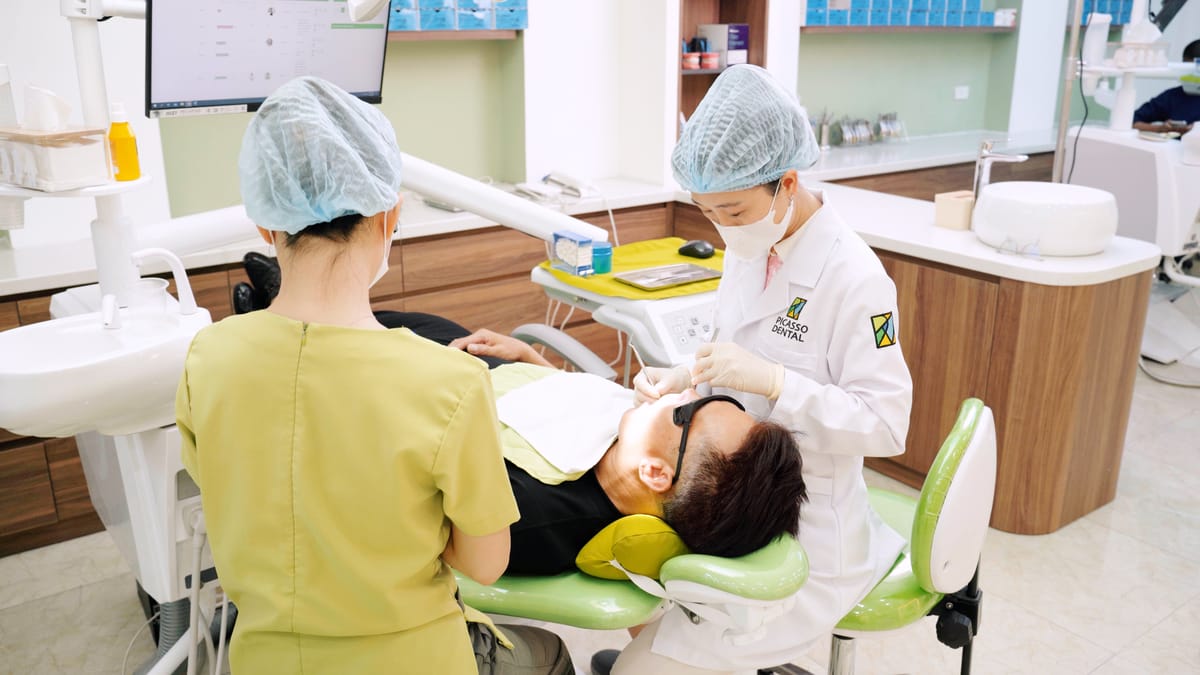
Porcelain veneers are one of the most transformative cosmetic dental procedures available — thin shells of ceramic bonded to the front surface of teeth to correct discolouration, chips, gaps, mild misalignment, and uneven proportions. In Australia, the procedure commands premium prices, and a full smile makeover with eight veneers carries a substantial price tag before any additional preparatory work. Private health insurance rarely covers veneers, as they are classified as cosmetic. This leaves Australians who want a straighter, whiter, more symmetrical smile facing a very significant out-of-pocket expense. At Picasso Dental Clinic in Hanoi, IPS e.max veneers — the same internationally recognized glass-ceramic material used by Australia’s top cosmetic dentists — cost a fraction of the Australian price per tooth. Even after accounting for round-trip flights from Sydney or Melbourne to Hanoi (8–9 hours) and 7–10 nights’ accommodation, Australian patients save substantially on a typical smile makeover. See the official dental costs page for current pricing. Vietnam has become one of the most trusted dental tourism destinations for Australians seeking high-quality cosmetic dentistry at a fraction of the domestic cost.
What Are Dental Veneers?
Dental veneers are ultra-thin custom-made shells — typically 0.3–0.7mm in thickness — crafted from porcelain or zirconia and bonded to the front face of natural teeth. They mask imperfections and reshape the smile without extensive orthodontic treatment or invasive procedures. Unlike crowns, which encircle the entire tooth, veneers cover only the visible front surface, preserving more of the natural tooth structure.
Veneers are used to treat a wide range of cosmetic concerns: permanent staining or discolouration that does not respond to whitening, chips and cracks, slightly gapped or misaligned teeth (mild spacing or crowding), teeth that are too short, too small, or unevenly proportioned, and teeth with surface irregularities or worn enamel. The procedure involves a consultation and smile design session, minimal tooth preparation (for traditional veneers) or no preparation (for ultra-thin “no-prep” veneers), digital impressions, laboratory fabrication of the veneers, and bonding. At Picasso Dental Clinic, every veneer case begins with a comprehensive smile design consultation using digital imaging to preview the expected result before any tooth preparation begins.
Dental Veneer Cost: Vietnam vs Australia 2026
Across every veneer type — IPS e.max, zirconia, composite, and ultra-thin/no-prep — Vietnam pricing at Picasso Dental Clinic runs at a fraction of equivalent Australian private clinic pricing, and the gap widens as the number of veneers in a full smile makeover increases. Even after factoring in round-trip airfare from Sydney or Melbourne and 7–10 nights’ accommodation, the net saving remains substantial for smile makeovers of any size.
For exact current pricing by veneer type and case size, see the official dental costs page.
E.max vs Zirconia Veneers: Which Is Better?
The choice between IPS e.max and zirconia veneers is one of the most common questions cosmetic dental patients ask. Here is a clear comparison:
IPS E.max (Lithium Disilicate) Veneers
IPS e.max is a glass-ceramic developed by Ivoclar Vivadent in Liechtenstein. It is the most widely used material for high-aesthetic veneer cases globally, and for good reason:
- Translucency. E.max transmits light in a way that closely mimics natural enamel, producing a vitality and depth that is virtually indistinguishable from natural teeth.
- Shade versatility. Available in a wide range of shades and translucency levels, e.max gives the ceramist extraordinary control over the final colour result.
- Strength. With a flexural strength of approximately 400 MPa, e.max is strong enough for anterior veneers in patients without heavy parafunctional habits (bruxism).
- Ultra-thin fabrication. E.max can be fabricated as thin as 0.3mm, enabling minimal or no-prep veneer designs that preserve maximum natural tooth structure.
- Best for: Patients prioritising the most natural, lifelike aesthetic result. Ideal for the upper six to eight front teeth where aesthetics are paramount.
Zirconia Veneers
Zirconia is a ceramic material widely known for its use in dental crowns and implant components. Zirconia veneers offer:
- Superior strength. Zirconia is significantly stronger than e.max (flexural strength 900–1,200+ MPa), making it a better choice for patients who grind their teeth (bruxers) or who have a heavy bite.
- Opacity. Traditional zirconia is more opaque than e.max, which can be advantageous for masking severely discoloured teeth but disadvantageous for achieving the most natural translucent appearance in lighter shades.
- Modern translucent zirconia. Advances in high-translucency zirconia have narrowed the aesthetic gap with e.max significantly. Premium translucent zirconia now produces results that rival e.max for many patients.
- Best for: Patients with bruxism, heavy bite forces, or significantly stained teeth that need strong masking. Also used when zirconia crowns are being placed on adjacent teeth for uniformity.
Our recommendation: For most Australian patients seeking a smile makeover — whiter, more even, more symmetrical front teeth — IPS e.max veneers deliver the most natural, luminous result. For patients who grind their teeth or have specific structural needs, we may recommend zirconia or a hybrid approach.
What Affects the Cost of Dental Veneers?
1. Material Choice
As described above, e.max and zirconia carry slightly different price points. Composite (resin) veneers are the most affordable option and can be placed in a single visit, but they stain and chip more readily than ceramic options and typically last 3–7 years versus 10–20+ for ceramic.
2. Number of Veneers
The total number of veneers is the primary determinant of total cost. Most smile makeovers involve 6–8 veneers to cover the teeth visible when smiling. Some patients extend the treatment to 10–12 teeth for a broader smile transformation. Per-unit costs decrease slightly for larger sets.
3. Tooth Preparation Required
“Prep veneers” require removing a thin layer of enamel (0.3–0.7mm) to accommodate the veneer thickness and prevent the tooth from looking bulky. “No-prep” veneers (sometimes called Lumineers-style) require little or no enamel removal — but are only suitable when teeth are not significantly protruding. Your treating dentist will advise which approach is appropriate for your anatomy.
4. Shade and Complexity of the Result
Achieving a very specific shade — particularly very bright whites like Hollywood B0 or A1 — requires more careful ceramist work and may involve multiple shade trials. Matching veneers to existing crowns or implant crowns adds complexity. These factors may affect the laboratory fee and total cost.
5. Smile Design and Digital Preview
At Picasso Dental, we offer digital smile design — a process of previewing the planned result using digital imaging before any preparation begins. This process takes time and skill but dramatically reduces the risk of dissatisfaction with the final aesthetic result. It is included in our comprehensive consultation process.
6. Preparatory Treatments
Patients with existing decay, gum disease, or misalignment that would compromise the veneer result may need preparatory treatment before veneer placement. Picasso Dental will identify these needs during the consultation and include them in the overall treatment plan and cost estimate.
7. Laboratory Quality
All veneers at Picasso Dental are fabricated by experienced dental ceramists in ISO-certified laboratories using genuine IPS e.max and premium zirconia materials. We do not use budget laboratory services, as veneer aesthetics are entirely dependent on the quality of the ceramist’s work.
Why Are Veneers So Much Cheaper in Vietnam?
The price difference between Vietnam and Australia for identical e.max veneers is dramatic — but the explanation is straightforward:
Labor cost structure. An experienced cosmetic dentist in Sydney or Melbourne carries enormous overhead: high commercial rent, Australian award wages for staff, professional indemnity insurance, CE compliance costs, and often significant student debt. These costs are embedded in every fee. In Hanoi, a dentist of equivalent skill operates at a vastly lower overhead cost, enabling fees that reflect a fair margin on a lower cost base.
Same materials, lower labour. The e.max ceramic Picasso Dental uses is manufactured in Liechtenstein and distributed globally — the exact same product used by Sydney’s top cosmetic dentists. The laboratory craftsmanship is Vietnamese (or regional), and the ceramist’s labour cost is lower than Australian rates, but the skill level of our chosen laboratory partners is internationally competitive.
No private health fund overhead. Australian dental practices spend significant administrative resources on health fund processing. Picasso Dental operates on simple, fixed, transparent pricing — no fund liaising, no claim disputes, no administrative markup embedded in fees.
Favourable exchange rate. The Australian dollar purchases substantially more in Vietnam than in Australia, effectively giving Australian patients a cost advantage even when Picasso Dental is operating at a premium within the Vietnamese market.
Is Veneer Treatment in Vietnam Safe?
Materials. We use genuine IPS e.max (Ivoclar Vivadent) and premium zirconia from certified manufacturers. All laboratory materials are documented and traceable.
Clinical team. Our cosmetic dentists have specific training in smile design and veneer placement, with postgraduate training from internationally recognized programs. Veneer aesthetics require a combination of clinical skill and artistic eye — our team’s results are documented in our gallery.
Digital smile design. Before any tooth preparation, we create a digital preview of the planned result, allowing you to approve the aesthetics and request adjustments. This process protects you from surprises.
Bonding protocol. Proper veneer bonding technique — etching, silane treatment, and light-cured resin cement — is essential for long-term adhesion. Our clinicians follow manufacturer-specified bonding protocols rigorously.
Guarantee. Our guarantee program covers veneer work against clinical and material failure within the warranty period. See our guarantee program for full terms.
How to Plan Your Veneer Trip to Vietnam from Australia
Step 1: Digital consultation first. Send photos of your smile (front, side, and wide smile) and your dental X-rays. Our cosmetic team will assess suitability and provide a personalized quote before you commit to travelling.
Step 2: Book your flights. Sydney to Hanoi (Noi Bai International Airport) is approximately 8.5–9.5 hours direct on Vietnam Airlines, or slightly longer via Singapore, Kuala Lumpur, or Bangkok. Melbourne to Hanoi is similar. Return economy fares vary depending on season and booking lead time. Vietnam Airlines and Jetstar Asia offer regular services from both cities.
Step 3: Plan your stay duration. A standard veneer case (6–8 veneers) requires approximately 7–10 days in Hanoi:
- Day 1–2: Consultation, smile design, shade selection, tooth preparation, temporaries placed
- Days 3–6: Laboratory fabrication of final veneers
- Day 7–9: Fitting appointment, bonding, minor adjustments
- Day 10: Final check and departure
For 10–12 veneers or complex cases with additional preparatory work, allow 10–14 days.
Step 4: Accommodation. Our Hanoi clinic at 16 Chau Long, Ba Dinh is centrally located in a charming part of the city near Truc Bach Lake. Hotels within easy reach include a wide range from boutique guesthouses to comfortable mid-range hotels. Our coordinators will recommend suitable options based on your preferences and budget.
Step 5: Aftercare back in Australia. Ceramic veneers require the same maintenance as natural teeth: twice-daily brushing with a non-abrasive toothpaste, daily flossing, and regular dental check-ups. Avoid biting hard objects (ice, pens, nails). If you grind your teeth at night, we will recommend a protective night guard. We provide full documentation of your veneer materials and shade for your Australian dentist.
Frequently Asked Questions
How long do porcelain veneers last?
IPS e.max porcelain veneers have an expected lifespan of 10–20 years with good oral hygiene and regular check-ups. Studies show that 95%+ of e.max veneers remain intact at 10 years when placed correctly and maintained well. Factors that shorten lifespan include bruxism (night grinding), nail-biting, and poor oral hygiene leading to veneer-margin decay. Zirconia veneers tend to last longer under heavy bite forces, though e.max is preferred for aesthetics in low-stress anterior positions.
Does Australian private health insurance cover veneers?
No. Dental veneers are classified as a cosmetic procedure by all Australian private health funds and are not covered by extras cover or hospital cover. You will pay the full cost out of pocket regardless of your insurance level. This makes the cost comparison with Vietnam entirely direct — there is no insurance offset to factor in for either location.
How do I know what shade to choose?
During your smile design consultation, our cosmetic dentist will guide you through shade selection using a physical shade guide matched against your skin tone, eye colour, and facial features. We also use digital smile simulation to show you the approximate result. The vast majority of patients seeking a smile makeover choose a shade in the range of VITA A1 to BL2 — bright white but naturally luminous, not artificial-looking. We can provide reference photos of previous cases to help guide your decision.
Will my veneers look natural?
Yes — if placed correctly using e.max and proper shade matching, high-quality ceramic veneers are essentially indistinguishable from natural tooth enamel. This is the great advantage of ceramic over composite: the material transmits and reflects light identically to enamel. Our smile design process and experienced ceramists ensure the final result complements your facial features rather than looking overdone.
Can I eat normally with veneers?
Yes, with some precautions. Avoid biting directly into very hard foods (crusty bread, hard vegetables, ice) with your veneered front teeth. Cut these foods into smaller pieces first. You can eat all soft and moderate-texture foods normally. Porcelain veneers are colour-stable — they do not stain from coffee, tea, or red wine the way composite veneers or natural enamel do.
I grind my teeth. Can I still get veneers?
Bruxism (tooth grinding) is the most significant risk factor for veneer fracture. If you are a confirmed bruxer, we will discuss whether zirconia veneers (stronger than e.max) are more appropriate for your case, and we will fabricate a custom night guard for you to wear during sleep. With a properly fitted night guard, many bruxers successfully maintain porcelain veneers long-term.
Can I combine veneers with teeth whitening or other treatments?
Yes. Many patients combine veneers with professional teeth whitening (for teeth not covered by veneers), Zoom laser whitening, dental crowns, implants, or gum contouring in a comprehensive smile makeover. Important: if you plan to whiten, do so before veneer shade selection, as veneers cannot be whitened after placement. We will help you plan the optimal sequence of treatments during the consultation.
What if I am not happy with the result?
Before any preparation, we use digital smile design to preview the planned outcome. Before final bonding, we place the veneers temporarily so you can assess them in real life — under natural light, in the mirror — and request any adjustments before they are permanently bonded. This try-in process is a standard part of our veneer protocol. Adjustments can be made to shape, length, and surface texture at this stage. Once bonded, major changes require fabrication of new veneers, which would be assessed on a case-by-case basis under our guarantee terms.
Related Reading
Dental Work in Vietnam for Australians: Complete Cost Guide 2026 — The full AUD cost breakdown by procedure, total-trip calculator, and patient case studies
Related Articles
- Dental Implant Cost: Vietnam vs Australia 2026
- 10 Dental Procedures and Their Cost in Vietnam vs Australia 2026
- Dental Bridge Cost: Vietnam vs Australia 2026
- Dental Veneer Cost: Vietnam vs Turkey 2026
- Teeth Whitening Cost: Vietnam vs Australia 2026
- Smile Makeover Cost: Vietnam vs Australia 2026
- Dental Crown Cost: Vietnam vs Australia 2026
- Porcelain Veneer Cost: Vietnam vs UK 2026
- 7 Reasons Porcelain Veneers at Picasso Dental Cost a Fraction of US Prices — Why veneer costs in Vietnam are dramatically lower

Medically reviewed by Dr. Nguyễn Thị Thu Hường, DDS — Cosmetic Dentistry
Cosmetic and general dentist with 7 years' experience in veneers and table-tops, trained under Dr. Juergen Walmann; Invisalign-certified.
Last reviewed: October 25, 2026