Key answer
Dental bridge cost Vietnam vs Australia 2026: what's included, quality comparison, and savings breakdown. See our pricing guide for a free quote.
Losing a tooth — or being told one needs to come out — sets off an immediate question: what does it cost to fix it properly? For Australians weighing their options in 2026, the answer often leads somewhere unexpected. A 3-unit dental bridge that costs a premium in Sydney or Melbourne can be completed in Hanoi or Ho Chi Minh City for a fraction of the price, using the same German and Swiss-certified zirconia materials, the same CAD/CAM milling technology, and the same international sterilisation protocols. That gap is why thousands of Australians now plan their dental work as part of a broader trip to Vietnam each year.
This guide explains what’s included at each price point in Vietnam versus Australia in 2026, how the quality compares, and the practical logistics of combining treatment with travel. Whether you need a single 3-unit bridge, a 4-unit span, or a cantilever solution for a front tooth, see picassodental.vn/dental-costs for current pricing. New Zealand readers can find the equivalent breakdown for dental bridges in NZD.
What Is a Dental Bridge?
A dental bridge is a fixed prosthetic device used to replace one or more missing teeth by anchoring to the natural teeth (or implants) on either side of the gap. The most common type — a 3-unit bridge — consists of two crown-covered abutment teeth flanking a pontic (the artificial tooth suspended in the middle).
Types of dental bridges:
- Traditional 3-unit bridge: Two abutment crowns + one pontic. Suitable for a single missing tooth with healthy adjacent teeth.
- 4-unit bridge: Spans two missing teeth, requires two abutment crowns and two pontics.
- Cantilever bridge: Anchored to only one adjacent tooth. Used when only one neighbouring tooth is available. More stress on the anchor tooth.
- Maryland (resin-bonded) bridge: Uses metal or porcelain wings bonded to the backs of adjacent teeth. Less invasive, but less durable — suited to front teeth under low bite pressure.
- Implant-supported bridge: Uses dental implants as abutments instead of natural teeth. Preserves adjacent tooth structure. Covered under dental implants.
Material options range from traditional porcelain-fused-to-metal (PFM) to full-zirconia and layered zirconia-porcelain. At Picasso Dental Clinic, zirconia is the standard recommendation for both aesthetics and longevity — it is stronger than PFM and metal-free, eliminating the grey gum line that older bridges develop over time.
Dental Bridge Cost: Vietnam vs Australia 2026
Vietnam is typically 60–80% cheaper than Australia for dental bridges of every type — 3-unit, 4-unit, cantilever, and implant-supported — across all material options (porcelain-fused-to-metal, full zirconia, and layered zirconia-porcelain). Vietnam prices include the full course of treatment: consultations, X-rays, preparation, temporaries, final bridge placement, and one follow-up. Australian prices reflect typical private practice rates without health fund rebates applied. See our full price comparison at picassodental.vn/dental-costs.
Health fund note: Australian health funds with Extras cover may offer a partial rebate toward a bridge, depending on your policy limit and waiting periods. Even with maximum rebates applied, the out-of-pocket cost in Australia typically remains substantially higher than treatment in Vietnam.
What’s Included in the Price?
Understanding what’s bundled into each quote matters as much as the headline number.
At Picasso Dental Clinic (Vietnam)
- Initial clinical examination and digital X-rays (OPG if needed)
- CBCT cone beam scan where required for implant-supported bridges
- Tooth preparation of abutment teeth under local anaesthesia
- High-quality temporaries worn during the 5–7 day fabrication period
- CAD/CAM-milled zirconia bridge from certified Vietnamese dental labs
- Final cementation appointment with bite adjustment
- One complimentary follow-up review
- 5-year warranty on the bridge workmanship
- Facebook Messenger aftercare support for international patients
Picasso Dental has 6 branches across 4 cities: Hanoi (2), Da Nang (2), Ho Chi Minh City (Thao Dien), and Da Lat. Book online: WhatsApp +84 989 067 888.
At a Typical Australian Private Practice
- Initial consultation (sometimes billed separately)
- X-rays (panoramic OPG often an additional charge)
- Preparation and temporaries
- Outsourced lab fabrication (often 2–3 weeks, requiring a second visit)
- Final cementation
- Warranty terms vary by practice (commonly 2–3 years)
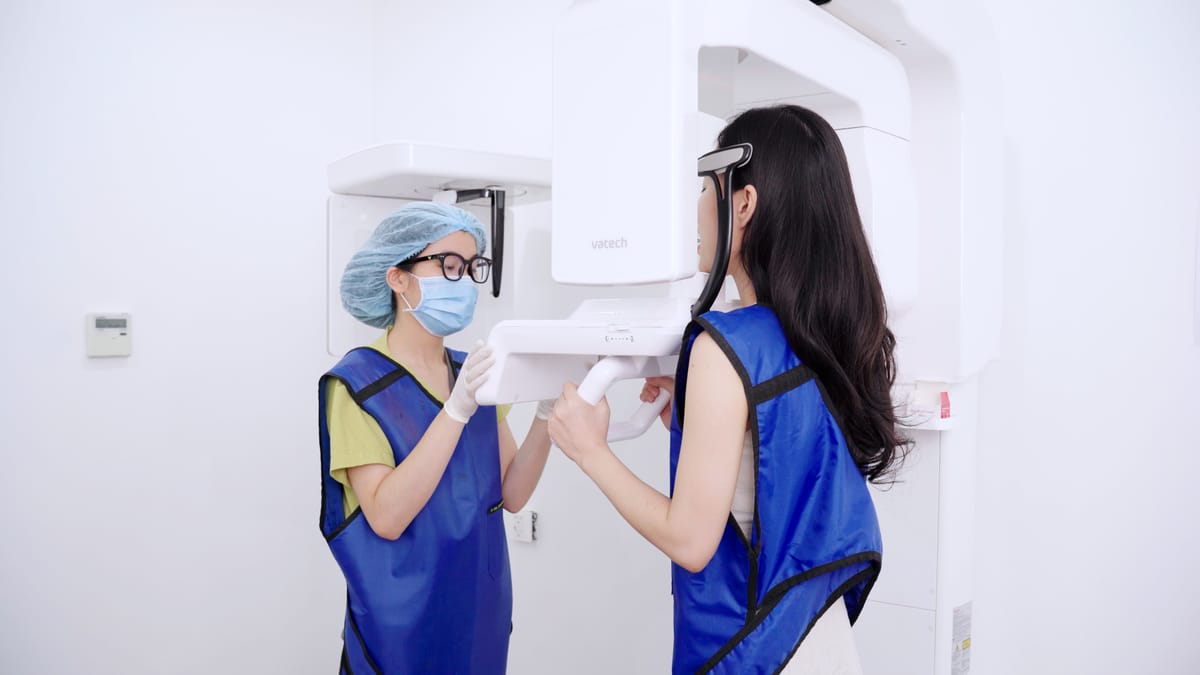
One practical difference: Australian labs often require a 2–3 week turnaround, meaning two separate appointments spread weeks apart. In Vietnam, bridge treatment is typically completed within a single 5–7 day visit — well-suited to a holiday itinerary.
Quality: Is Vietnamese Dental Work Comparable?
This is the question every Australian asks before booking. The short answer is yes — with the right clinic.
Vietnam’s leading dental clinics use identical materials to those supplied to Australian practices. Zirconia blocks are sourced from certified German and Japanese manufacturers (Vita, Dentsply Sirona, GC). CAD/CAM milling systems — Cerec, Roland, or equivalent — produce bridges to the same dimensional tolerances used anywhere in the world.
What varies is labour cost, not clinical standard. Vietnam’s cost of living means that highly trained dentists, advanced equipment, and premium materials can all be offered at a fraction of the Australian price without compromising on quality.
Picasso Dental Clinic has treated over 70,000 patients, including a large proportion of international visitors from Australia, the UK, and the US.
For further context on dental work in Vietnam and the guarantee program offered to international patients, see those dedicated pages.
Travel Logistics for Australian Patients
Flight time: Sydney to Hanoi is approximately 10–11 hours direct (Vietnam Airlines operates this route). Melbourne to Ho Chi Minh City is around 9–10 hours. Da Nang is accessible via connection through Hanoi or Ho Chi Minh City.
Visa: Australian passport holders receive a 90-day visa exemption for Vietnam as of 2025. No visa application required.
Treatment timeline: A standard 3-unit or 4-unit bridge requires 2 appointments over 5–7 days — ideal for a week-long trip.
Accommodation: Hanoi’s Ba Dinh district (where the clinic is located) has a wide range of hotels from budget guesthouses to 5-star properties within walking distance.
Combining with travel: Many patients schedule bridge treatment at the start of their trip, allowing the remaining days for sightseeing in Hanoi’s Old Quarter, Ha Long Bay, Hoi An, or Ho Chi Minh City.
See our dental costs overview for a broader comparison of procedures and prices.
Frequently Asked Questions
How long does a dental bridge last?
A well-made zirconia dental bridge typically lasts 15–20 years with proper care. The longevity depends on the quality of materials, the precision of the fit, and the patient’s oral hygiene habits. Bridges on implant abutments often last longer than those on natural teeth because implants don’t develop decay. Picasso Dental’s bridges carry a 5-year workmanship warranty, and the clinic provides written care instructions and Facebook Messenger support to help international patients maintain their results long-term. Regular check-ups with a local dentist on return to Australia are recommended annually.
Will my Australian dentist be able to service or repair a bridge done in Vietnam?
Yes. A properly made and documented zirconia bridge is a standard prosthetic device. Any Australian dentist can examine it, adjust the bite, re-cement it if it comes loose, or extract an abutment tooth if needed. Picasso Dental provides a full treatment record and X-rays in digital format that you can share with your home dentist. In practice, most patients find their Australian dentist has no concerns about the quality of bridge work completed at a reputable Vietnamese clinic.
Does my Australian health fund cover treatment in Vietnam?
No. Australian private health insurers do not reimburse claims for dental treatment performed overseas. However, the savings achieved by travelling to Vietnam are typically several times the value of the maximum rebate available under Australian Extras policies. Some patients check their policy limits carefully and time their overseas treatment to reset the annual limit calendar before returning for any domestic follow-up work.
Is a dental bridge better than an implant?
It depends on your situation. Implants preserve the adjacent teeth (no preparation needed), stimulate the jawbone to prevent resorption, and can last decades with proper care. Bridges are faster and less expensive, but require grinding down two healthy neighbouring teeth and do not prevent bone loss under the pontic. For patients with healthy adjacent teeth and adequate bone, implants are generally the preferred long-term solution. For patients needing a faster or more affordable option — or where implant candidacy is limited — a bridge remains an excellent, proven treatment.
How many appointments does a bridge require in Vietnam?
Typically two appointments separated by 5–7 days. The first appointment covers examination, X-rays, tooth preparation, and placement of temporaries. The dental lab then fabricates the final bridge using CAD/CAM technology. The second appointment involves removing the temporaries, checking the fit and bite, and permanently cementing the final bridge. Some complex cases — particularly implant-supported bridges — may require additional planning visits or a longer lab period. Picasso Dental coordinates all scheduling to suit international patient itineraries.
What happens if the bridge needs adjustment after I return to Australia?
Minor adjustments — such as bite corrections — can be handled by any local dentist and are straightforward. If the bridge requires re-cementation, that is also a routine procedure. For warranty claims involving a manufacturing defect, Picasso Dental will assess photos and X-rays sent via Facebook Messenger and, where appropriate, cover the cost of re-fabrication. Patients who return to Vietnam within the warranty period can have the bridge replaced at no charge. For those who cannot travel back, Picasso Dental coordinates with local dentists to resolve issues.
What is the difference between zirconia and porcelain-fused-to-metal bridges?
Porcelain-fused-to-metal (PFM) bridges have a metal substructure with porcelain layered on top. They are strong and long-established, but the metal core can create a dark line at the gum margin as gums recede over time, and they are not suitable for patients with metal sensitivities. Full-zirconia bridges are metal-free, have excellent translucency that mimics natural enamel, are highly resistant to fracture, and do not cause gum discolouration. Layered zirconia — where a softer porcelain veneer is fused to a zirconia core — offers the best aesthetics for front teeth at the cost of slightly higher fracture risk on the porcelain layer.
Can a cantilever bridge replace a front tooth?
A cantilever bridge can work for front teeth in specific situations — typically when one adjacent tooth is strong and the bite forces on the replacement tooth are low. The concern with cantilever bridges is that the single abutment experiences greater leverage stress than a traditional two-abutment bridge. For front teeth, a Maryland bonded bridge or a single implant is often the less invasive and more durable alternative. Your treating dentist at Picasso will assess your bite, adjacent tooth condition, and bone structure to recommend the most appropriate bridge design for your specific case.
Related Reading
Dental Work in Vietnam for Australians: Complete Cost Guide 2026 — The full AUD cost breakdown by procedure, total-trip calculator, and patient case studies
Related Articles
- Dental Implant Cost: Vietnam vs Australia 2026
- 10 Dental Procedures and Their Cost in Vietnam vs Australia 2026
- Dental Veneer Cost: Vietnam vs Australia 2026
- Dental Veneer Cost: Vietnam vs Turkey 2026
- Teeth Whitening Cost: Vietnam vs Australia 2026
- Smile Makeover Cost: Vietnam vs Australia 2026
- Root Canal Cost: Vietnam vs Australia 2026
- Dental Crown Cost: Vietnam vs Australia 2026
- 3 Types of Dental Bridge: Which Is Right for You?
- 6 Reasons Dental Bridges Are Still Relevant in the Age of Implants
- Porcelain vs Porcelain-Fused-to-Metal Crowns: Full Comparison

Medically reviewed by Dr. Trần Thu Thảo, DDS — General & Restorative Dentistry
Hamburg-trained general dentist working across prosthodontics, endodontics and pediatric dentistry.
Last reviewed: October 25, 2026