Key answer
The definitive 2026 guide to dental tourism in Vietnam. Costs for 15+ procedures, city comparisons, clinic selection, travel planning, visa info, and a sample 7-day itinerary.
Vietnam has solidified its position as one of the world’s premier dental tourism destinations in 2026. With highly trained dentists, state-of-the-art clinics, premium materials from the same brands used in Western countries, and costs that are 50% to 75% lower — the value proposition is compelling. Add in Vietnam’s rich culture, outstanding cuisine, and welcoming people, and you have every reason to combine world-class dental care with an unforgettable travel experience.
This comprehensive guide covers everything international patients need to know about getting dental work done in Vietnam in 2026 — from choosing a city and clinic to planning your trip, understanding costs, and managing follow-up care. See picassodental.vn/dental-costs for current pricing.
Why Vietnam for Dental Treatment in 2026?
Exceptional Quality at a Fraction of the Cost
The primary driver behind dental tourism to Vietnam is the dramatic cost difference. Dental procedures in Vietnam cost 50% to 75% less than in the United States, Australia, the United Kingdom, or Canada. This is not because of inferior materials or less experienced dentists. Vietnamese dental clinics use the same implant brands (Straumann, Nobel Biocare, Osstem), the same porcelain systems (Emax, zirconia), and the same sterilization protocols as clinics in Sydney, London, or New York.
The lower cost reflects Vietnam’s lower cost of living, lower wages for administrative staff, lower rent, and lower regulatory compliance costs — not lower clinical standards. For a comprehensive overview, see dental works in Vietnam from A to Z, and learn how to find the best dentist in Vietnam before committing. Vietnam’s growth as a rising star in global dental tourism is backed by measurable improvements in clinical infrastructure and patient outcomes.
Highly Trained Dentists
Vietnamese dentists complete a six-year Doctor of Dental Surgery program. Many implant specialists and prosthodontists pursue postgraduate training at internationally recognized institutions in the United States, Germany, France, Australia, Japan, or South Korea. Leading clinics employ dentists with over 15 years of experience and thousands of successfully placed implants and crowns.
Modern Technology
Top clinics in Vietnam are equipped with CBCT scanners, digital intraoral scanners, CAD/CAM milling systems, guided implant surgery software, and Class B autoclaves for sterilization. Many clinics have in-house dental laboratories that produce crowns, veneers, and prostheses within 2 to 5 days rather than the 2 to 3 weeks typical in Western countries.
Convenient Travel
Vietnam is well-connected by direct flights from major cities across Asia, Australia, Europe, and North America. Visa-free entry is available for citizens of many countries, and e-visas are easy to obtain for others. The country offers outstanding accommodation options at every budget level, from luxury five-star hotels to comfortable boutique guesthouses.
Dental Treatment Costs in Vietnam: 2026 Price Guide
Across every common procedure — dental implants, All-on-4, crowns, veneers, root canals, teeth whitening, bridges, dentures, bone grafting, sinus lifts, and orthodontics — Vietnam is typically 45-80% cheaper than the United States or Australia for the same implant brands, materials, and clinical standards.
For a full breakdown of current dental costs in Vietnam, visit picassodental.vn/dental-costs.
Choosing a City: Hanoi vs Da Nang vs Ho Chi Minh City
Each of Vietnam’s three major cities offers a distinct experience for dental tourists.
Hanoi — Culture, History, and Cooler Weather
Hanoi is Vietnam’s capital and a city with over a thousand years of history. Its Old Quarter is a labyrinth of narrow streets filled with temples, markets, and some of the best street food in Asia. Hanoi has a cooler climate than southern Vietnam, with pleasant temperatures from October through April.
Dental tourism advantages:
- Home to many of Vietnam’s top dental clinics and most experienced dentists
- Rich cultural experience — Ho Chi Minh Mausoleum, Temple of Literature, Hoan Kiem Lake, and the Old Quarter
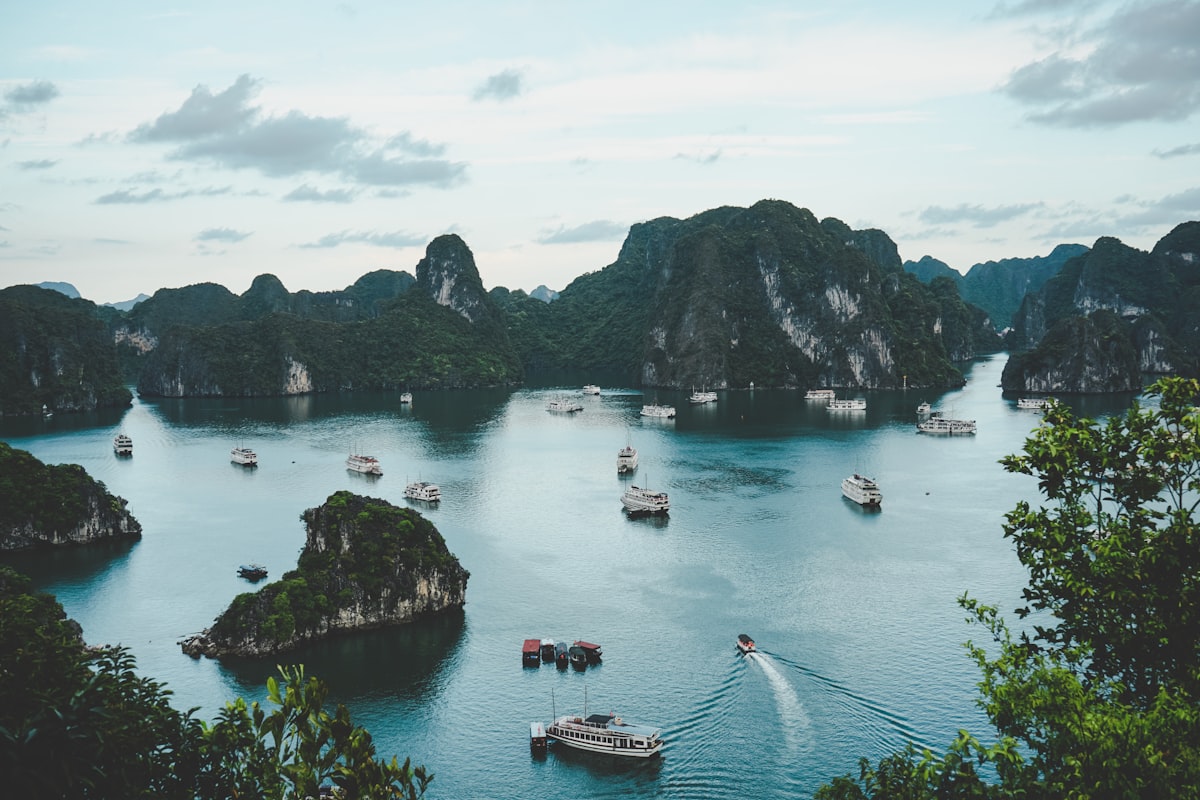
- Easy day trips to Ha Long Bay (UNESCO World Heritage Site), Ninh Binh, and Sapa
- Generally lower accommodation and food costs than HCMC
- International airport with direct flights to many Asian, European, and Australian cities
Da Nang — Beaches, Relaxation, and Recovery
Da Nang is a coastal city in central Vietnam with beautiful beaches, a relaxed atmosphere, and increasingly modern infrastructure. It is an ideal destination for patients who want to recover by the beach.
Dental tourism advantages:
- Stunning beaches — My Khe Beach is consistently ranked among Asia’s best
- Quiet, relaxed environment ideal for post-treatment recovery
- Easy access to Hoi An (20 minutes) and Hue (2 hours) — both UNESCO World Heritage Sites
- Growing number of high-quality dental clinics
- Lower cost of living than Hanoi or HCMC — excellent value for accommodation and dining
- Ba Na Hills and the Golden Bridge are popular attractions
For a dedicated guide to Da Nang’s dental scene, see top 10 dental clinics in Da Nang for foreigners.
Ho Chi Minh City — Energy, Nightlife, and Shopping
Ho Chi Minh City (Saigon) is Vietnam’s largest and most dynamic city. It is a bustling metropolis with world-class restaurants, vibrant nightlife, French colonial architecture, and modern shopping centers.
Dental tourism advantages:
- The largest city in Vietnam with the widest range of dining and entertainment options
- Thao Dien district (District 2) is a popular expat neighborhood with many international-standard services
- Easy access to the Mekong Delta, Cu Chi Tunnels, and beach resorts in Vung Tau and Phu Quoc
- Major international airport with extensive direct flight connections
- Large expat community — easy to find English-speaking services
Choosing the Right Clinic
Selecting a reputable clinic is the most critical step in your dental tourism journey. Here is what to look for:
- Licensed dentists with verifiable credentials — Check that your dentist holds a valid license from the Vietnam Ministry of Health
- Clinic registration — The clinic should be registered and inspected by the Department of Health
- International implant brands — Clinics should use recognized brands like Straumann, Nobel Biocare, or Osstem and provide authenticity certificates
- Modern equipment — CBCT scanner, digital X-rays, intraoral scanner, and Class B autoclave are minimum requirements
- English-speaking staff — Essential for clear communication throughout your treatment
- Transparent pricing — A detailed, written treatment plan with itemized costs before treatment begins
- Strong online reviews — Check Google Reviews and Facebook reviews from international patients
- Before and after photos — Look for documented cases similar to yours
- Warranty policy — Reputable clinics offer warranties on implants, crowns, and other major work
For a detailed checklist, see our dental tourism safety checklist.
Picasso Dental Clinic: Four Locations Across Vietnam
Picasso Dental Clinic operates four branches across Vietnam’s three major cities, making it convenient regardless of which city you choose to visit.
Hanoi — Old Quarter Branch
Address: 16 Chau Long, Ba Dinh, Hanoi Located in the heart of Hanoi’s historic Ba Dinh district, just minutes from the Old Quarter and West Lake. This is the flagship branch with the largest team of implant specialists.
Hanoi — Westlake Square Branch
Address: LKC22 Hoang Minh Thao, Bac Tu Liem, Hanoi A modern facility in the Westlake Square development, offering ample parking and a comfortable, spacious environment. Ideal for patients staying in the Tay Ho or Cau Giay areas.
Da Nang
Address: 420 Hoang Dieu, Binh Thuan, Hai Chau, Da Nang Centrally located in Da Nang’s Hai Chau district, close to the beach and major hotels. Perfect for patients who want to combine dental treatment with a beach holiday.
Ho Chi Minh City
Address: 25B Nguyen Duy Hieu, Phuong Thao Dien, Quan 2, HCMC Situated in the popular Thao Dien expat district of District 2, surrounded by international restaurants, cafes, and boutique hotels.
All four branches share the same clinical standards, use the same implant and material brands, and follow the same sterilization protocols. Treatment plans can be transferred between branches if your travel itinerary spans multiple cities.
What to Expect: Treatment Timeline
Before You Arrive
- Submit your dental records — Email your panoramic X-ray, CBCT scan, or dental photos to the clinic for a preliminary assessment
- Receive your treatment plan — The clinic will provide a detailed plan with recommended procedures, timeline, and itemized costs
- Confirm your appointment — Lock in your treatment dates and book your travel
During Your Visit
The typical timeline depends on the complexity of your treatment:
- Crowns, veneers, and bridges: 5 to 7 days (2 to 3 visits)
- Single dental implant (with immediate temporary crown): 5 to 7 days for placement, return in 3 to 6 months for the permanent crown
- All-on-4 full-arch implants: 5 to 10 days for placement and temporary teeth, return in 4 to 6 months for final prosthesis. See the All-on-4 day-by-day Vietnam timeline for a detailed breakdown of each day’s activities.
- Root canals and fillings: 1 to 3 days
- Teeth whitening: 1 day
- Dental checkup and cleaning: 1 day
After You Leave
- Remote follow-up — Clinics like Picasso Dental offer remote consultations via video call, Facebook Messenger, or email
- Local follow-up — Your home dentist can perform routine checks using the records provided by the clinic
- Return visits — For implant cases, plan a return trip of 3 to 5 days after 3 to 6 months for permanent crown placement
Sample 7-Day Dental Tourism Itinerary (Hanoi)
This itinerary is designed for a patient receiving 6 to 10 porcelain crowns or veneers.
| Day | Morning | Afternoon | Evening |
|---|---|---|---|
| Day 1 (Arrival) | Arrive in Hanoi, check into hotel | Rest and explore Old Quarter | Welcome dinner — try pho or bun cha |
| Day 2 | Dental consultation, X-rays, treatment planning | Teeth preparation and impressions | Explore Hoan Kiem Lake and night market |
| Day 3 | Second preparation appointment (if needed) | Visit Temple of Literature and Ho Chi Minh Mausoleum | Dinner in Tay Ho (West Lake) area |
| Day 4 | Free day — recovery | Ha Long Bay day tour or Ninh Binh excursion | Return to Hanoi |
| Day 5 | Crown/veneer fitting and adjustments | Free afternoon — shopping at Dong Xuan Market | Rooftop bar overlooking Old Quarter |
| Day 6 | Final adjustments and cementation | Post-treatment review and care instructions | Farewell dinner — try egg coffee and banh mi |
| Day 7 (Departure) | Check out and transfer to airport | Fly home with your new smile | — |
For implant placement cases, a similar 7-day itinerary works well. You would return for a second trip of 3 to 5 days after the osseointegration period (3 to 6 months) to have the permanent crowns placed.
Travel Planning for Dental Tourists
Visa Information
As of 2026, Vietnam offers visa-free entry for citizens of many countries, typically for stays of 15 to 45 days depending on nationality. Citizens of the USA, UK, Australia, Canada, and most EU countries can obtain an e-visa online at evisa.gov.vn for stays up to 90 days. The e-visa costs approximately $25 USD and is processed within 3 business days.
Check the latest visa requirements for your nationality before booking your trip, as policies are updated regularly.
Flights
Vietnam’s three major international airports are:
- Noi Bai International Airport (HAN) — Hanoi
- Da Nang International Airport (DAD) — Da Nang
- Tan Son Nhat International Airport (SGN) — Ho Chi Minh City
Direct flights are available from most major cities in Asia, Australia, Europe, and North America. Budget airlines like VietJet Air and Bamboo Airways operate domestic flights between Hanoi, Da Nang, and HCMC for as little as $30 to $80 USD one way.
Accommodation
All three cities offer excellent accommodation options at every budget level:
- Luxury hotels (5-star): $80 - $200 per night
- Boutique hotels (3-4 star): $30 - $80 per night
- Budget hotels and guesthouses: $15 - $30 per night
- Serviced apartments (weekly/monthly): $500 - $1,500 per month
For dental tourists, we recommend staying within 15 minutes of your clinic for convenience during treatment days. Many patients book a mid-range hotel or serviced apartment for the best balance of comfort and value.
Getting Around
Ride-hailing apps Grab and Be are the most convenient and affordable way to get around Vietnamese cities. Taxis from reputable companies (Mai Linh, Vinasun) are also available. A typical ride within the city costs $2 to $6 USD.
Food and Dining
Vietnamese cuisine is one of the highlights of any visit. Expect to spend:
- Street food: $1 - $3 per meal
- Local restaurants: $3 - $8 per meal
- International restaurants: $10 - $25 per meal
- Fine dining: $30 - $80 per meal
After dental procedures, stick to soft foods for the first 24 to 48 hours. Vietnamese cuisine has plenty of options — pho (rice noodle soup), chao (rice porridge), and banh cuon (steamed rice rolls) are all gentle on healing teeth.
Currency and Payment
The Vietnamese Dong (VND) is the local currency. ATMs are widely available, and credit cards are accepted at most hotels, restaurants, and dental clinics. Most dental clinics accept payment in USD, VND, or by credit card. Exchange rates are best at banks and authorized exchange offices.
Recovery Tips for Dental Tourists
- Plan rest days between dental appointments for recovery, especially after implant surgery or extractions
- Avoid alcohol for 48 hours after any surgical procedure
- Bring your medications — pain relievers, antibiotics, and any prescribed medications from the clinic
- Stay hydrated — Vietnam’s tropical climate can be dehydrating, especially in the south
- Avoid hard, crunchy, or very hot foods for 24 to 48 hours after major procedures
- Keep your clinic’s contact information readily accessible in case of questions during recovery
- Use ice packs to manage swelling after implant surgery — most hotel front desks can provide ice
Follow-Up Care and Warranty
Reputable clinics provide comprehensive follow-up support:
- Immediate follow-up: Your dentist will schedule check-ups during your stay to ensure everything is healing properly
- Remote consultations: Share photos and updates via Facebook Messenger, email, or video call after returning home
- Treatment records: You will receive complete records including X-rays, treatment details, implant certificates, and care instructions to share with your home dentist
- Warranty: Picasso Dental Clinic offers warranties on implants, crowns, veneers, and other restorative work. Warranty terms vary by procedure — ask for details in your treatment plan
Frequently Asked Questions
How do I send my X-rays to the clinic before arriving?
Take a panoramic X-ray or CBCT scan at any dental clinic near you and email the digital file (DICOM or JPEG format) to the clinic. If you only have physical X-rays, take clear photos with your phone. Most clinics, including Picasso Dental Clinic, also accept images sent via Facebook Messenger or Facebook Messenger.
What payment methods are accepted?
Most international dental clinics in Vietnam accept cash (USD or VND), Visa, Mastercard, and bank transfers. Some clinics also accept UnionPay and JCB. A deposit of 30% to 50% may be required to confirm your treatment schedule, with the balance due upon completion.
Do dentists in Vietnam speak English?
At international-standard clinics like Picasso Dental Clinic, the dentists and patient coordinators are fluent in English. Some clinics also have staff who speak French, Japanese, Korean, or Chinese. Always confirm English-speaking capability when booking your consultation.
Is dental treatment in Vietnam safe?
Yes, when you choose a reputable clinic. Vietnam’s top dental clinics maintain the same sterilization standards, use the same implant and material brands, and employ dentists with the same qualifications as leading clinics worldwide. The key is selecting a clinic that meets international standards — look for verifiable credentials, modern equipment, international brands, and strong reviews from international patients.
Can I combine dental treatment with travel?
Absolutely. This is one of the biggest advantages of dental tourism in Vietnam. Most treatment plans include rest days between appointments, which are perfect for sightseeing. Many patients visit Ha Long Bay, Hoi An, the Mekong Delta, or simply explore the vibrant streets of Hanoi or Ho Chi Minh City between appointments.
What if something goes wrong after I return home?
Reputable clinics maintain ongoing communication with international patients. If you experience any issues, contact the clinic immediately with photos and a description of the problem. Most minor issues can be resolved through remote consultation. If an in-person visit is needed, the clinic will coordinate with you on scheduling and any warranty coverage. Having comprehensive treatment records makes it easy for your home dentist to assist if needed.
Do I need travel insurance for dental tourism?
Standard travel insurance is recommended for any international trip. However, most travel insurance policies do not cover elective dental procedures. Some specialty insurers offer dental tourism-specific coverage. Regardless, travel insurance is valuable for flight delays, lost luggage, and general medical emergencies during your trip.
How far in advance should I book?
We recommend booking your dental consultation 4 to 6 weeks before your planned travel dates. This gives the clinic time to review your records, prepare your treatment plan, and reserve appointment slots. For complex cases like All-on-4 implants or full-mouth rehabilitation, booking 6 to 8 weeks ahead is ideal.
Latest Vietnam Travel News for 2026
Planning a dental tourism trip to Vietnam in 2026? Stay up to date with the latest developments that could affect your travel:
- Hanoi Ranked 4th Best Destination in the World by TripAdvisor 2026 — Hanoi’s global recognition continues to grow, making it an even more attractive dental tourism base
- Hanoi Tourism Festival 2026: Green and Digital Experience — New cultural events and festivals to enjoy between dental appointments
- Long Thanh International Airport Opens in 2026 — Vietnam’s major new airport near Ho Chi Minh City improves international access
- Vietnam Airlines Launches Hanoi–Amsterdam Direct Flights in 2026 — New direct routes make reaching Vietnam easier than ever for European patients
- Vietnam Visa Changes 2026: What Travelers Need to Know — Updated visa policies and extended stays for dental tourists
Related Reading
- Best Dental Clinic in Hanoi for Australian Patients 2026 — AU-specific coordinator process, AUD pricing, FAQs
- Dental Tourism Vietnam for Kiwis 2026 — NZ-specific guide with AKL flights, NZD pricing, ACC notes
- Dental Costs in Vietnam — Full price list at Serenity International Dental Clinic
- About Picasso Dental Clinic — Clinic history, team, and international standards
- Dr. Emily Nguyen — Founder & Principal Dentist — Meet the dentist behind Picasso Dental Clinic
- All Clinic Locations in Vietnam — Find the Picasso Dental Clinic nearest to you
- Hanoi Old Quarter Flagship — Our main Hanoi clinic at 16 Chau Long
- Ho Chi Minh City Clinic — Our Saigon clinic in Thao Dien, District 2
- Da Lat Clinic — Our highland clinic inside Link General Hospital
- All Dental Services — Complete list of procedures available at all locations
- Single Tooth Dental Implant — Replacing one missing tooth
- Implant-Retained Dentures — Secure, stable dentures anchored by implants
- 7-Day Dental Tourism Itinerary: Hanoi + Ha Long Bay — Day-by-day plan for a week-long dental trip
- 14-Day Vietnam Dental Tourism Itinerary — Extended itinerary for implants and complex work
- 10 Most Common Dental Tourism Mistakes — Avoid the pitfalls that trip up dental tourists
- Flying After Dental Surgery: How Soon Is Safe? — Procedure-by-procedure flying timelines
- How to Send Dental Records to a Clinic in Vietnam — Get a treatment plan before you book flights
- Top 5 Dental Clinics in Da Nang for Single Tooth Implants — Implant options in Da Nang
- Dental Tourism Safety Checklist — 15-point checklist for choosing a safe clinic
- Vietnam Visa Guide — Visa exemptions, e-visas, and entry requirements
- Hotels Near Our Clinic in Hanoi — Accommodation recommendations for dental tourists
- 6 Dos and Don’ts When Having Dental Work Done in Vietnam — Practical advice for a smooth treatment experience
- Top 10 Things to Do in Vietnam — Activities and sightseeing to enjoy between appointments
- What You Should Know About Ho Chi Minh City — Essential city guide for HCMC visitors
- Dental Work in Vietnam From A to Z — Comprehensive A-Z reference guide
- Vietnam Dental Tourism Facts and Figures — The growth story of Vietnam dental tourism
- Top 8 Reasons to Get Invisalign in Vietnam in 2026 — Why international patients choose Vietnam for clear aligner treatment
- 8 Visa Tips for Dental Tourists Visiting Vietnam in 2026 — Essential visa guidance for dental patients, covering e-visas, exemptions, and multi-entry extensions.
Related Pages
- Dental Tourism Guide — Picasso Dental Clinic Vietnam — How to plan dental treatment in Vietnam: costs, process, safety, and guarantee

Reviewed for accuracy by Dr. Emily Nguyen, DDS — Implant & Cosmetic Dentistry
Founder and Principal Dentist of Picasso Dental, with 15+ years in implant surgery, periodontics and full-arch (All-on-4) rehabilitation. Read full bio
Last reviewed: September 27, 2026