Key answer
Dental implants do far more than restore chewing. These 8 quality-of-life improvements are why patients call implants life-changing.
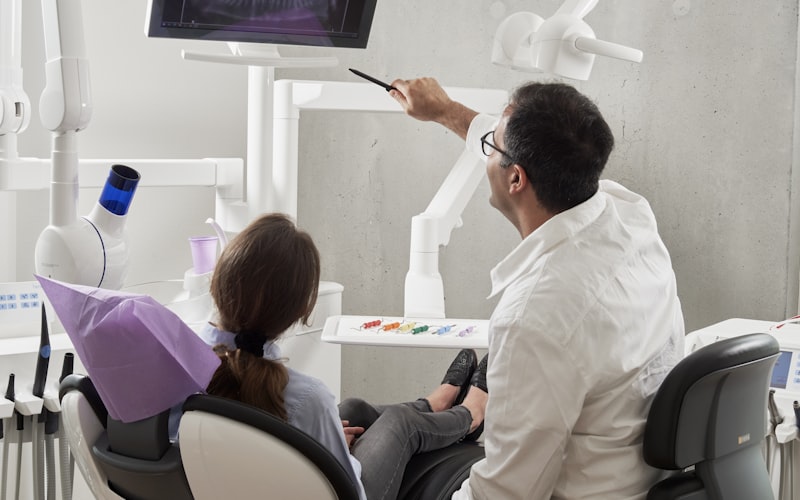
When patients at Picasso Dental Clinic are asked to describe life after dental implants, they rarely lead with chewing. The first things they mention are smiling without covering their mouth, being able to speak in a meeting without anxiety, or simply not thinking about their teeth at any point during the day.
That absence of dental preoccupation — the ability to forget that your teeth exist — is perhaps the most powerful benefit of implants, and it never appears in a clinical brochure.
This post explores eight ways dental implants change daily life beyond the mechanics of eating. If you want to understand the full clinical picture or compare costs across our three Vietnam clinics, our dental costs page and guide to dental work in Vietnam are worth reading first.
1. Restore Confidence in Social Situations
Missing teeth change how people carry themselves. The instinctive response — covering the mouth when laughing, turning away when speaking, avoiding photographs — becomes habitual. Over time, social situations that would otherwise be enjoyable become sources of anxiety.
Dental implants eliminate the visible gap and the behavioural adaptations that come with it. Patients consistently report feeling able to smile freely, laugh openly, and engage in conversation without self-monitoring. This is not a superficial benefit. Research links oral health and appearance to self-esteem, social engagement, and even career confidence.
At Picasso Dental Clinic, implant crowns are matched to the natural shade and contour of your existing teeth so that no one will notice the restoration — only the confidence it enables.
2. Eliminate the Embarrassment of Denture Slippage
Removable dentures can move. They can slip when laughing, clicking when speaking, and shift during meals. Even well-fitted dentures lose their grip over time as the underlying jawbone continues to shrink. The social consequences — the constant awareness that your teeth might shift mid-sentence — create a persistent background anxiety that many patients learn to live with, but never stop noticing.
Implants are anchored in bone. They do not move, click, slip, or shift. An implant-supported prosthesis functions with the security of natural teeth. For patients transitioning from dentures, this stability alone is often described as transformative.
Patients who have lost multiple teeth or full arches may be candidates for All-on-4 dental implants, which eliminate denture instability entirely.
3. Allow Unrestricted Diet and Nutrition
The dietary restrictions imposed by missing teeth and ill-fitting dentures are rarely discussed in their full nutritional context. Many denture wearers and patients with missing teeth unconsciously shift to a soft-food diet, avoiding the fibrous vegetables, raw fruits, whole grains, and lean meats that form the basis of a healthy diet.
Research shows that edentulous patients and those with poor dental function have higher rates of nutritional deficiency, including lower intake of vitamin C, folate, and dietary fibre. Over years, this dietary adaptation can have measurable health consequences.
Dental implants restore biting force far closer to that of natural teeth than conventional dentures allow. This means patients can eat corn on the cob, bite through raw apples, enjoy steak, and chew with confidence. Read more in our post on 10 foods you can eat again after dental implants.
4. Preserve Facial Bone Structure and Prevent Premature Aging
The jawbone requires stimulation from tooth roots to maintain its volume. When teeth are lost, the bone at the extraction site begins to resorb — shrinking in height and width. This process is continuous: the longer teeth are absent, the more bone is lost.
The visible consequence of extensive bone loss is a sunken, collapsed facial appearance — often described as looking older than one’s age. The lower third of the face loses height, the lips lose support, and jowling becomes more pronounced. This is why long-term denture wearers often look significantly older than same-age patients with natural teeth or implants.
Dental implants are the only tooth replacement that transmits stimulation to the jawbone, halting and partially reversing bone resorption. Patients who receive implants in the years after tooth loss preserve their facial structure and avoid this accelerated aging effect.
5. Improve Speech Clarity
Missing teeth — particularly front teeth — alter the mechanics of speech. The tongue interacts with tooth surfaces to produce fricative sounds (f, v, th) and sibilants (s, z, sh). A gap in the dental arch changes how these sounds are formed.
Ill-fitting dentures create additional speech problems: the prosthesis can shift during speaking, causing slurring or whistling. Many patients with dentures speak more quietly or slowly to compensate, which affects professional and social communication.
Implants restore the dental support that speech relies on. Most patients find their speech clarity returns to its natural baseline within days of receiving their final implant crowns.
6. Protect Remaining Teeth From Shifting
When a tooth is lost, the teeth on either side gradually lean into the gap. The tooth above (or below) drifts toward the empty space as well, losing its opposing bite surface. Over time, this misalignment creates uneven biting forces across the remaining teeth, increasing wear, the risk of fracture, and the likelihood of further tooth loss.
A dental implant fills the gap and maintains the spacing of adjacent teeth. It also preserves the bite contact with the opposing arch, preventing over-eruption. Placing an implant promptly after tooth loss is therefore not just about replacing the missing tooth — it is about protecting the architecture of the entire mouth.
For patients considering the broader picture of oral health and tooth replacement options, our dental crowns page and root canal treatment page are also relevant.
7. Eliminate the Daily Hassle of Denture Maintenance
Conventional removable dentures require daily removal, soaking, brushing with separate denture paste, and careful handling to avoid cracking. They must be kept moist when not worn. They can develop odours if not cleaned thoroughly. The routine is an inconvenient daily reminder that your teeth are not your own.
Implants are fixed in place. They are brushed in the mouth like natural teeth. There is no soaking, no special paste, no nightly removal routine. Patients who switch from dentures to implants often describe the experience as liberating — the dental routine collapses to something indistinguishable from having natural teeth.
For those comparing treatment options at Picasso Dental Clinic, our implant services page covers fixed versus removable implant solutions.
8. Provide a Long-Term Solution — Far Fewer Repeat Replacements
Dentures typically need relining every two to three years and full replacement every five to seven years. Bridges last ten to fifteen years on average and then require replacement — along with potential damage to the supporting teeth. Both solutions involve ongoing cost and repeat clinical work throughout a patient’s life.
Dental implants are designed to be a long-term, durable solution. The titanium fixture, once integrated, rarely needs replacement. The crown on top has an expected lifespan of roughly fifteen to twenty-five years depending on the material (this is a lifespan estimate, not a manufacturer warranty), but the structural element — the implant itself — is built to last for decades. For patients in their 40s or 50s who are making a once-in-a-lifetime decision about tooth replacement, this durability has significant financial and practical implications.
When you factor in the lifetime cost of dentures or bridges versus a one-time implant investment, implants often represent the more economical choice over a twenty-year horizon. Our dental costs guide includes a lifetime cost comparison.
Making the Decision
Dental implants are an investment in quality of life that extends well beyond the ability to eat comfortably. The social, psychological, nutritional, and structural benefits outlined above are documented, meaningful, and lasting.
Picasso Dental Clinic has placed thousands of implants across our Hanoi, Da Nang, Ho Chi Minh City, and Da Lat locations. Our Hanoi clinic at 16 Chau Long, Ba Dinh, is a short distance from the Old Quarter and welcomes both local and international patients. To explore whether implants are right for you, read our post on 7 signs you are a good candidate for dental implants or contact us to schedule a consultation.
See also: Are Dental Implants Considered a Cosmetic Procedure? — Understanding the restorative versus cosmetic classification of implants. 9 Myths About Dental Implants Debunked by Hanoi Specialists — Common misconceptions that may be stopping patients from getting life-changing treatment. Dental Implants: A Tooth Replacement Method That Rarely Fails — The clinical evidence for implant reliability. Top 7 Signs You Need Dental Implants — Signs that tooth loss is already affecting your quality of life. 8 Implant Aftercare Mistakes in the First 30 Days — Protect your investment by avoiding the most common recovery errors. 8 Things That Can Ruin a Dental Implant — Understanding what puts long-term implant success at risk.

Medically reviewed by Dr. Emily Nguyen, DDS — Implant & Cosmetic Dentistry
Founder and Principal Dentist of Picasso Dental, with 15+ years in implant surgery, periodontics and full-arch (All-on-4) rehabilitation. Read full bio
Last reviewed: September 27, 2026