
Key answer
Does your tooth need a crown? Dr. Emily Nguyen explains the 8 clinical signs that indicate a dental crown is necessary — including fractures, large fillings, and root canals.
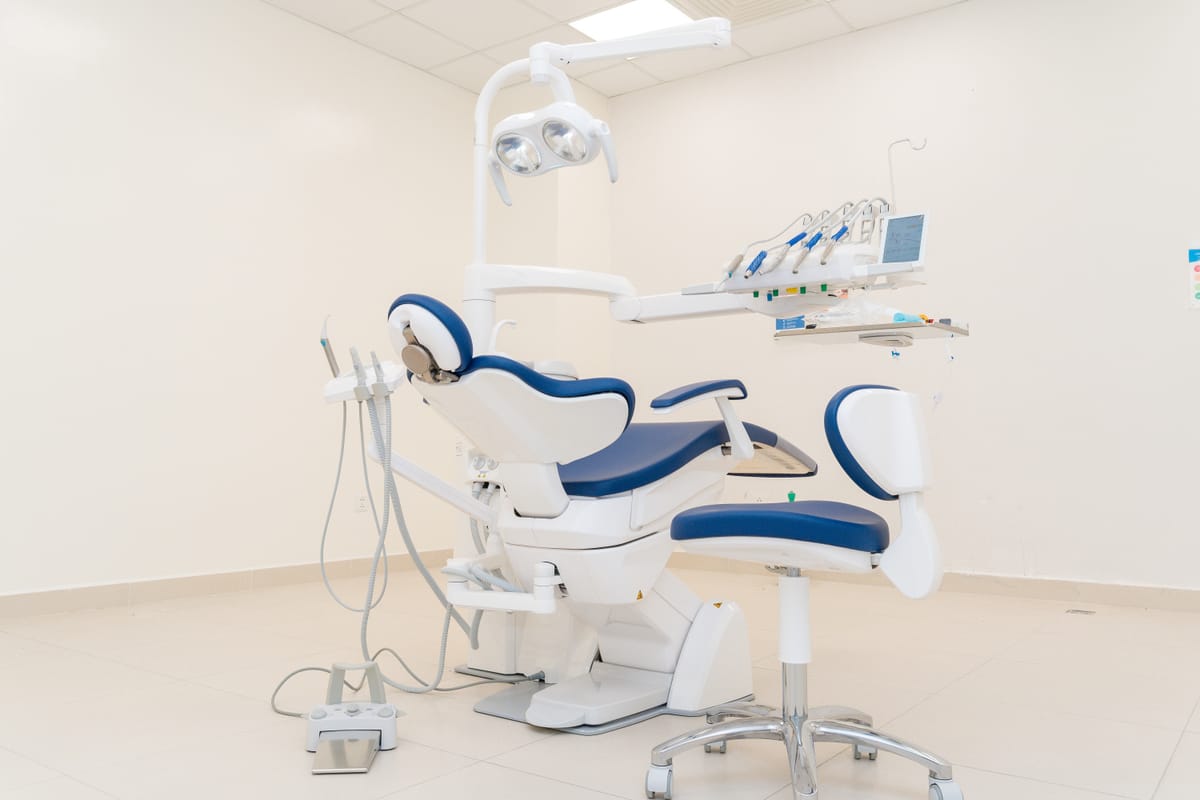
One of the most common conversations I have with patients at Picasso Dental Clinic is about whether a particular tooth needs a crown. It is a decision that carries real consequences either way — crown it too early and you remove tooth structure that might have been preserved; leave it too long and the tooth can fracture to the point where extraction becomes the only option.
A dental crown — also called a cap — is a full-coverage restoration that fits over the entire visible portion of a tooth above the gum line. It protects the tooth, restores its shape and function, and in many cases, prevents far more expensive treatment down the road. Modern zirconia crowns are strong enough to withstand normal biting forces, match the color of adjacent teeth closely, and with good oral hygiene can last 15–20 years.
The eight signs below represent the most common clinical scenarios where a crown is the appropriate treatment choice. If any of these apply to you, a consultation with your dentist — and usually a dental X-ray — will confirm the recommendation.
Sign 1: Cracked or Fractured Tooth
Cracks are one of the most underdiagnosed causes of tooth pain. Unlike cavities, cracks do not always show up clearly on X-rays, and the symptoms can be intermittent and confusing — sharp pain when biting, discomfort with sweet or cold foods, or a vague ache that seems to move around.
A cracked tooth is a structural problem. Once a crack propagates below the gum line, the tooth cannot be saved with a crown alone — extraction followed by a dental implant becomes necessary. This is why early diagnosis and crown placement matters.
A crown covers the crack and prevents it from propagating further by holding the tooth together under biting force. It distributes occlusal load across the full surface of the crown rather than concentrating stress at the crack line. For cracked teeth that do not involve the pulp (nerve), a crown alone is sufficient. If the pulp is involved, root canal treatment is performed first (see Sign 2).
If you notice sharp pain when releasing bite pressure — not when biting down, but when you release — this is a classic sign of a crack. See your dentist promptly.
Sign 2: Tooth After Root Canal Treatment
Root canal treatment saves teeth that would otherwise require extraction due to pulp infection or necrosis. The procedure removes the infected pulp tissue, cleans and shapes the root canals, and fills them with a biocompatible material (gutta-percha). What it does not do is restore the tooth’s structural integrity.
After root canal treatment, a tooth loses its internal moisture supply from the pulp. Over time, the dentinal tubules dehydrate, making the tooth significantly more brittle than a vital (living) tooth. Studies show that uncrowned posterior teeth (molars and premolars) that have received root canal treatment are 2–3 times more likely to fracture vertically than those restored with a crown.
A vertical root fracture is not salvageable — it means extraction. A crown, placed promptly after root canal treatment is complete, prevents this outcome in the vast majority of cases.
Front teeth (incisors and canines) that have received root canal treatment have somewhat lower fracture risk due to lighter biting forces, but they still benefit from crown placement to seal the access cavity and restore aesthetics.
Crown placement after root canal treatment is not optional — it is part of completing the treatment.
Sign 3: Large Cavity or Failing Filling
A filling is appropriate for cavities that affect a minority of the tooth’s structure. The standard benchmark is roughly 50% — when more than half of the tooth’s crown structure has been lost to decay or old filling material, a filling alone cannot provide adequate support. Fillings do not bond to tooth structure the way enamel does; they rely on mechanical retention, and as the remaining tooth walls become thinner, the risk of fracture under biting force increases dramatically.
Old amalgam (silver) fillings are a common source of this problem. Over time, the metal expands and contracts with temperature changes, creating micro-fractures in the surrounding tooth structure. When an old large amalgam filling is removed, patients are often surprised to find far more decay underneath than was visible from outside.
Composite (tooth-colored) fillings are bonded rather than mechanically retained, which provides some structural support — but they are still not appropriate for severely weakened teeth. When a tooth has multiple old fillings, recurrent decay under existing restorations, or walls that appear thin on X-ray, a crown is the more durable long-term solution.
Your dentist can assess the structural situation on an X-ray and during examination. If a tooth “rings hollow” when tapped, or if existing filling material is visibly cracked or discolored at the margins, a crown is likely the right next step.
Sign 4: Severely Worn Tooth from Bruxism
Bruxism — the habitual grinding or clenching of teeth, often during sleep — progressively destroys tooth structure over years or decades. The vertical dimension of teeth shortens, enamel erodes, and the bite collapses. Patients often do not notice gradual wear until the damage is already significant.
When a tooth has been worn to the point where its cusp structure is flattened or the enamel is completely lost (exposing the underlying dentine), a crown is necessary both to restore the tooth’s shape and protect the remaining structure from further wear.
In bruxism cases, crowns are typically placed in combination with a custom-fitted night guard. The night guard protects the crowns during sleep by preventing metal-on-ceramic or ceramic-on-ceramic contact. Without the night guard, even high-strength zirconia crowns will eventually show wear from grinding.
Bruxism-related crown treatment often requires restoring multiple teeth simultaneously to re-establish a stable, even bite. This falls into the category of full mouth rehabilitation and requires careful occlusal planning.
Sign 5: Cosmetic Improvement Needed
Crowns can serve cosmetic as well as structural purposes. Patients with teeth that are severely discolored, misshapen, or disproportionate — and where less invasive options like porcelain veneers are not sufficient — may opt for full-coverage crowns for aesthetic correction.
Unlike veneers, which cover only the front surface of a tooth, crowns cover the entire tooth. This makes them more appropriate for teeth with structural problems in addition to cosmetic ones — for example, a tooth that is both deeply stained and has an existing large filling, where a veneer would not provide adequate coverage or retention.
Modern zirconia and lithium disilicate (e-max) crowns deliver outstanding aesthetic results. Zirconia allows light transmission that closely mimics natural tooth structure, and experienced ceramists can match shade, translucency, and surface characterization to adjacent natural teeth with high accuracy.
For patients pursuing smile makeovers, a combination of crowns on structurally compromised teeth and veneers on intact teeth is a common and effective approach.
Sign 6: Broken or Chipped Tooth
Trauma — biting on something hard, a fall, a sports injury — can chip or break a tooth with no warning. The severity determines the appropriate treatment:
- Small chip affecting enamel only: bonding or a veneer may suffice
- Moderate fracture affecting enamel and dentine: composite bonding can restore shape, but a crown is often more durable
- Large fracture approaching the pulp or involving cusp tips: crown is necessary, often preceded by root canal treatment if the pulp is exposed
- Fracture extending below the gum line: may not be restorable with a crown; extraction and implant placement may be required
If a tooth breaks and the fracture line is clean and above the gum line, there is a good window for successful crown restoration. Delaying treatment allows bacteria to enter the exposed dentine, increasing the risk of pulp infection and the subsequent need for root canal treatment.
Sign 7: Dental Implant Crown
A dental implant is a titanium fixture placed in the jawbone — it is not a complete tooth. The visible tooth that sits above the gum line is the crown, which is attached to the implant via an abutment. Without the crown, the implant has no function.
Implant crowns are distinct from natural tooth crowns in a few ways. They are not subject to decay (the implant and abutment are titanium and ceramic), but the crown material itself can chip or wear over time, exactly as a crown on a natural tooth can. Implant crowns are also designed with specific emergence profiles to mimic the natural contours of the gum tissue around the tooth, creating both functional and aesthetic results.
If you have dental implants, the crown on your implant needs the same care and periodic evaluation as a natural tooth crown. Implant crowns typically last 15–20 years before requiring replacement, though the implant fixture itself may last a lifetime.
Sign 8: Existing Crown Has Failed
Dental crowns are durable but not permanent. An existing crown can fail in several ways that require replacement:
- Marginal breakdown — the seal between the crown and the tooth preparation deteriorates over time, allowing bacteria to enter and cause recurrent decay at the crown margin (secondary caries)
- Crown fracture — porcelain fused to metal crowns can chip or fracture the porcelain veneer layer; full-porcelain crowns can fracture under excessive biting force
- Debonding — the crown comes loose from the abutment tooth, either due to cement failure or because decay has undermined the retentive tooth structure
- Aesthetic deterioration — older porcelain-fused-to-metal crowns develop a dark metal margin at the gum line as the gum tissue recedes; full-ceramic replacements resolve this
A crown that has served 15 or more years has done its job. Replacement with modern materials — particularly monolithic zirconia — delivers improved strength, better aesthetics, and a fresh marginal seal.
Crown Cost in Vietnam
Crown pricing depends on the material — standard or high-translucency zirconia, lithium disilicate (e-max), or porcelain-fused-to-metal — with zirconia and e-max typically lasting 15–20 years and PFM 10–15 years. Vietnam is typically a fraction of the cost of dental crowns in the United States, Australia, or the UK, delivering comparable material quality and technical skill. For current pricing by material, see picassodental.vn/dental-costs. For an inbound concierge view of crown-only trips — including same-week zirconia turnaround — see the Vietnam Dental Holiday crowns page.
At Picasso Dental Clinic
Picasso Dental Clinic has performed thousands of crown restorations across Hanoi and Ho Chi Minh City. Our standard protocol involves:
- Clinical examination and dental X-ray to assess structural condition
- Discussion of options — including less invasive alternatives where appropriate
- Digital shade matching using a spectrophotometer for accurate color selection
- Digital impressions (no messy impression material) sent to our in-house dental laboratory
- Temporary crown fitted while the permanent restoration is fabricated
- Fitting appointment with bite adjustment and final cementation
Our laboratory technicians work with multilayer zirconia and e-max blocks and deliver restorations that our dentists review and approve before cementation. We stand behind our work with a structured guarantee program.
Picasso Dental Clinic is located at 16 Chau Long, Ba Dinh, Hanoi and 25B Nguyen Duy Hieu, Quan 2, Ho Chi Minh City. Book online to schedule a consultation.
Frequently Asked Questions
Q: Can I wait before getting a crown if my tooth doesn’t hurt? A: Pain is not a reliable indicator of structural integrity. Cracked teeth, failing fillings, and post-root canal teeth may not hurt at all — until they fracture. Once a tooth fractures vertically below the gum line, it usually cannot be saved. Acting before symptoms become severe is nearly always the more cost-effective and tooth-preserving choice.
Q: How long does crown placement take at Picasso Dental? A: Crown treatment typically requires two appointments — preparation and temporization on Day 1, and final fitting approximately 5–7 days later once the laboratory delivers the crown. Same-day CEREC crowns are not available at Picasso Dental; we believe laboratory-fabricated crowns deliver superior aesthetics and fit.
Q: Does a crowned tooth still need root canal treatment later? A: A crown does not prevent future pulp problems. If the nerve was healthy at the time of crown placement, there is a small but real chance the pulp could become infected years later (due to new decay at the margin, trauma, or unknown causes). This would require drilling through the crown to perform root canal treatment — the crown itself can often be reused after the root canal access cavity is sealed.
Q: Will my crown look natural? A: Modern high-translucency zirconia and e-max crowns are visually very close to natural teeth when shade-matched correctly. Our laboratory technicians characterize the surface of crowns with stains and glazes to replicate the appearance of surrounding natural teeth. For front teeth, most patients report that colleagues and family cannot tell which teeth are crowned.
Q: Is it painful to get a dental crown? A: Crown preparation is performed under local anesthesia — the procedure itself is not painful. Some sensitivity is common for 1–2 weeks after the tooth is prepared, particularly to temperature. This usually resolves once the permanent crown is fitted and the tooth is fully sealed.
Q: Can a crown be placed on a tooth with an abscess? A: Not immediately. An abscessed tooth requires root canal treatment to eliminate the infection before crown placement. Placing a crown on an infected tooth seals the bacteria inside and will not resolve the underlying problem.
Q: How do I care for a crowned tooth? A: The same way you care for natural teeth — twice-daily brushing, daily flossing (including under the crown margin using floss threaders or interdental brushes), and regular professional cleaning. The crown itself cannot decay, but the tooth structure at the crown margin can. Keeping the margin clean prevents secondary caries and extends the life of the restoration.
Q: At what age should I consider a crown vs. extraction? A: This is highly individual and depends on the tooth’s restorability, the patient’s overall oral health, and their long-term treatment goals. Generally, for patients who have adequate bone volume and are suitable implant candidates, preserving a tooth with a crown is preferred over extraction — even if the cost is comparable. A natural tooth root preserves bone volume in a way that an implant cannot fully replicate.
Related Reading
- Dental Crown Services at Picasso Dental
- Porcelain Veneers — Is a Crown or Veneer Right for You?
- Full Mouth Rehabilitation: All-on-4 vs Implant Bridge vs Dentures
- Dental Costs in Vietnam
- Single Tooth Dental Implant
- Our Guarantee Program
Related Articles
- Composite vs Porcelain Veneers in Vietnam: Cost and Longevity Compared
- Dental Implant Failure Rates by Brand in Vietnam: What the Data Shows
- How to Send Dental Records to a Clinic in Vietnam Before Your Trip
- Top 10 Dental Clinics in Vietnam for Full Mouth Reconstruction 2026
- 8 Red Flags When Choosing a Dental Clinic Abroad
- 5 Types of Dental Implants Available in Vietnam: Which One Do You Need?
- Zirconia vs Porcelain Crowns in Vietnam 2026
- Digital Smile Design in Vietnam 2026
- Same-Day Dental Implants in Vietnam 2026
- 8 Differences Between Zirconia and E.max Dental Crowns in Vietnam
- CAD/CAM Same-Day Crowns in Vietnam: 6 Key Benefits
- 7 Reasons Porcelain Crowns Last 15–20 Years
- 7 Signs Your Old Dental Work Needs Replacing — Signs that an existing crown needs replacement, not just a new one
- 10 Reasons Dental Crowns Fail — Understanding what causes crown failure to make a more informed decision
- 5 Signs You Need a Dental Crown, Not Just a Filling — when a filling is no longer adequate and a crown becomes the right clinical choice
- 6 Differences Between Temporary and Permanent Dental Crowns — what patients should know about the provisional crown stage before the final is fitted
- 9 Steps to Getting a Dental Crown in Hanoi — A step-by-step walkthrough of the entire crown process at a Hanoi clinic.

Reviewed for accuracy by Dr. Emily Nguyen, DDS — Implant & Cosmetic Dentistry
Founder and Principal Dentist of Picasso Dental, with 15+ years in implant surgery, periodontics and full-arch (All-on-4) rehabilitation. Read full bio
Last reviewed: October 25, 2026