
Key answer
7 teeth whitening options in Vietnam 2026: laser, Zoom, and custom trays compared. See which method suits your stain type, plus current pricing.
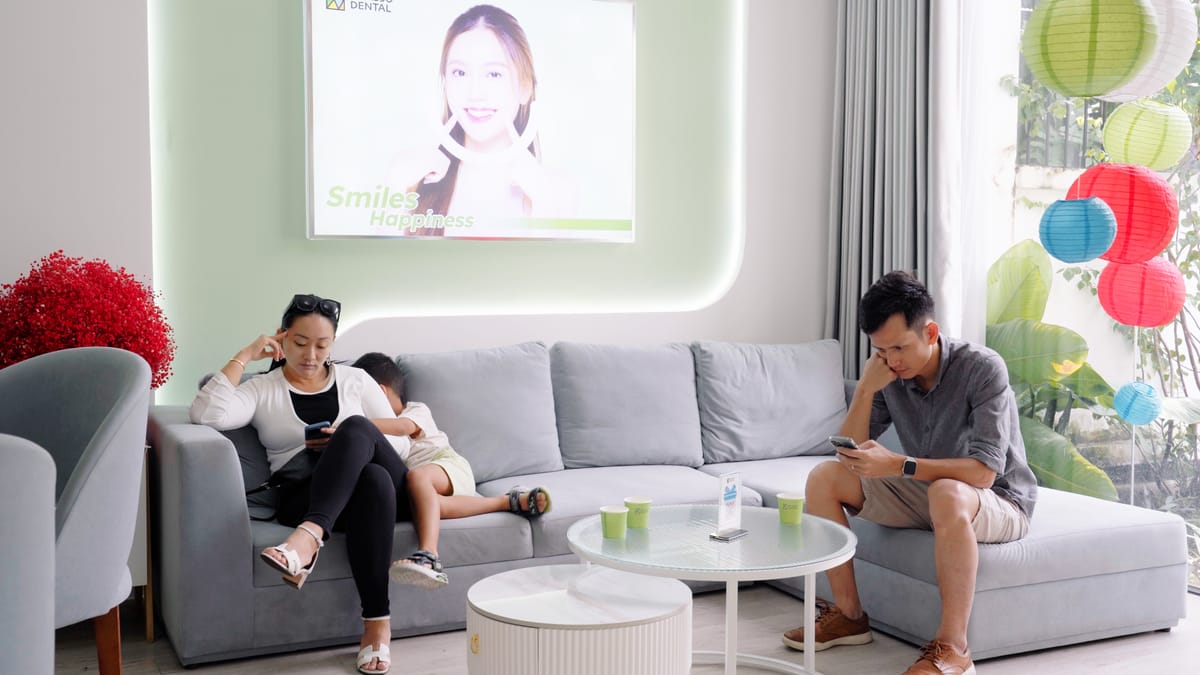
Teeth whitening is one of the most frequently requested treatments at Picasso Dental Clinic — and one of the most misunderstood. Patients often arrive with fixed ideas about what whitening involves, typically based on a single experience or a single product type. The reality is more varied: professional whitening encompasses at least seven distinct approaches, each suited to different teeth, different timelines, and different treatment goals.
Vietnam has become a popular destination for whitening treatments, in part because the cost of professional-grade whitening here is a fraction of what it costs in Australia, the UK, or North America. New Zealand patients can see current teeth whitening prices in NZD on our NZ site. But the cost advantage only matters if patients are receiving the right treatment for their specific situation. An in-chair laser session won’t produce the results you want if your discolouration is intrinsic rather than extrinsic. A take-home tray system won’t work to your timeline if you need results in 48 hours.
This guide covers all seven professional whitening options available at dental clinics in Vietnam — what each involves, who it suits, what results to expect, and how it fits into broader smile treatment planning. For patients also considering veneers or implants, the relationship between whitening and those treatments is important to understand before booking. Our dental costs guide covers current pricing for whitening across all our locations.
1. In-Chair Laser Whitening
In-chair laser whitening is the fastest and most dramatic single-session whitening available. The protocol involves applying a high-concentration peroxide gel (typically 25–40% hydrogen peroxide) to the teeth, then activating it with a laser or intense light source. The treatment takes approximately sixty minutes in the chair and can lighten teeth by six to twelve shades in a single session.
How it works: The light or laser accelerates the oxidation reaction within the gel, which breaks down chromogen molecules — the compounds responsible for tooth discolouration — more rapidly than the gel would alone. The result is a faster, more concentrated whitening effect.
Who it suits: Patients who want significant whitening in a single visit — particularly dental tourists who have limited time in Vietnam and want to complete the treatment within one appointment. It is also appropriate for patients preparing for a special event and requiring maximum whiteness on a short timeline.
What to expect: Some sensitivity during and after the procedure is normal. Patients with existing sensitivity should inform their clinician beforehand, as desensitising agents can be applied before treatment. Results stabilise over 48 to 72 hours after the session as the tooth continues to dehydrate and rehydrate.
Cost in Vietnam: Significantly lower than equivalent treatments in Australia or the UK, with premium laser whitening systems such as Zoom or Philips Zoom available at clinics like Picasso Dental Clinic at a fraction of Western list prices.
2. LED Light-Accelerated Bleaching
LED light-accelerated bleaching follows a similar protocol to laser whitening but uses an LED light source rather than a laser. The distinction is primarily technical — LED systems emit a broad-spectrum or targeted blue light wavelength that activates the peroxide gel, while laser systems deliver more concentrated energy.
Practical differences: LED whitening tends to be slightly gentler, with marginally less post-treatment sensitivity than laser protocols for some patients. For most patients, the clinical outcomes — shade improvement, longevity — are comparable. The treatment time is similar: approximately 45–75 minutes in chair.
Who it suits: Patients who want in-chair results but have moderate sensitivity concerns, or those where a laser system is not indicated. LED systems are also commonly used for combination protocols that pair an in-chair session with take-home trays (see Option 4 below).
In Vietnam, multiple professional LED systems are available, including Zoom and Opalescence Boost equivalents. The clinical outcome depends substantially on the concentration of gel used and the duration of exposure, not the light source alone — so discussing the specific protocol with your clinician before treatment is worthwhile.
3. Custom Take-Home Tray System
Custom take-home whitening trays are fabricated from an impression or digital scan of your teeth and filled with a lower-concentration peroxide gel (typically 10–22% carbamide peroxide) that you wear at home over a period of one to three weeks. The lower concentration is safe for extended contact with the gum tissue that a custom tray allows.
Why custom trays matter: The “custom” component is critical. Over-the-counter whitening products use generic trays that don’t seal properly against the tooth surface, meaning the gel leaks onto the gums and the whitening effect is uneven. A properly fitted custom tray holds the gel in contact with every surface of every tooth equally and minimises gum exposure.
Who it suits: Patients who prefer gradual whitening, those who have already had in-chair whitening and want to maintain results, patients with generalised mild-to-moderate staining, and international patients who want to start their whitening in Vietnam and continue it at home after returning.
Timeline: Full results from a take-home tray protocol typically appear after ten to fourteen days of nightly wear. For patients visiting Vietnam who want to take trays home with them, impressions and fabrication can usually be completed within one to two clinic visits.
Longevity: With maintenance (see Option 7 below), take-home tray results can be sustained for several years. The trays themselves last indefinitely and can be used with fresh gel purchased from a dentist at any time. Our teeth whitening service page covers the take-home system in detail.
4. Combination In-Chair + Take-Home Protocol
The combination protocol — also called the “power whitening” protocol in some markets — pairs a single in-chair laser or LED session with a custom take-home tray course. It is the most effective whitening protocol available for patients seeking maximum, long-lasting results.
How it works: The in-chair session produces an immediate, dramatic initial whitening. The subsequent take-home tray course deepens the result over one to two weeks and stabilises it. The combined effect is typically greater than either approach alone, and the tray system allows the patient to top up the result over time.
Who it suits: Patients with significant staining or discolouration, those who are planning smile makeovers involving veneers and want to establish a baseline shade first, and patients with the timeline to complete both phases during their Vietnam visit.
For dental tourists: The combination protocol is well-suited to international patients who plan a visit of seven or more days. The in-chair session can be completed on day one or two, the custom trays can be fabricated and delivered before departure, and the take-home course continues after returning home.
This approach is particularly popular among patients who are combining whitening with other treatments — such as dental implants or veneers — as part of a comprehensive smile treatment plan during a single Vietnam trip.
5. Internal Bleaching for Single Discoloured Teeth
Internal bleaching is a specialised technique for teeth that have become discoloured from the inside — typically following root canal treatment, trauma, or tooth death. External whitening does not work on internally stained teeth because the discolouration originates within the pulp chamber and dentinal tubules, where external gel cannot penetrate.
How it works: A small access cavity is created in the back of the tooth (the same access used for root canal treatment). A whitening agent — typically sodium perborate or carbamide peroxide — is placed inside the tooth and sealed with a temporary filling. The tooth is reviewed and the agent replaced as needed over one to three sessions until the desired shade is achieved. The access cavity is then permanently sealed.
Who it suits: Patients with a single dark or greying tooth that is otherwise structurally sound and already root canal-treated. This technique can restore a discoloured tooth to match adjacent natural teeth without the need for a crown or veneer in many cases.
Important consideration: Internal bleaching should only be performed by a dentist with experience in the technique and a full understanding of the tooth’s root canal history. In Vietnam, internal bleaching is available at specialist endodontic and restorative practices, including Picasso Dental Clinic in Hanoi, Da Nang, Ho Chi Minh City, and Da Lat.
6. Whitening Before Veneer Placement
Pre-veneer whitening is not a standalone whitening treatment — it is a critical step in the planning sequence for patients receiving porcelain veneers. Ceramic veneers are shade-matched at the time of fabrication and cannot be whitened afterwards. This means the shade of the final veneers must be chosen against the whitened shade of the natural teeth — not against pre-whitening colour.
The clinical logic: If a patient receives veneers on six upper teeth and does not whiten first, the veneers will be shade-matched to the existing natural tooth colour. If that patient subsequently whitens the remaining natural teeth (the lower arch, the upper premolars, the upper canines visible at the sides of the smile), the unvinyered teeth will lighten while the veneers remain fixed, creating a mismatch.
The correct sequence: Whiten first. Stabilise the whitened shade for two weeks (to allow the peroxide effect to dissipate and the true final shade to appear). Then shade-select the veneers against the stable, whitened result.
For patients combining whitening and veneers in a single Vietnam trip, this sequencing needs to be factored into the trip’s timeline. Our dental costs guide and our guide to dental work in Vietnam both address combined treatment planning in detail.
7. Maintenance Whitening for Existing Veneer Cases
This option is specifically relevant to patients who already have porcelain veneers and want to maintain the overall brightness of their smile over time. It is one of the most commonly misunderstood aspects of veneer aftercare.
The challenge: Ceramic veneers do not stain or discolour in the way natural teeth do. They are resistant to the chromogens in coffee, red wine, and other staining foods that gradually darken natural enamel. However, the natural teeth adjacent to the veneers — and particularly the teeth not covered by veneers — can and do discolour over time. As the natural teeth yellow, the fixed, non-yellowing veneers begin to stand out, creating a visible contrast.
The solution: Periodic maintenance whitening of the natural teeth using a take-home tray system (with custom trays that avoid or minimise contact with the veneered teeth where possible) keeps the natural teeth aligned with the veneer shade.
Important limitations: Whitening will not change the shade of the veneers themselves. The goal of maintenance whitening is not to whiten the veneers but to prevent the natural teeth from falling behind. If veneers have themselves changed colour due to cement discolouration, edge staining, or surface degradation, replacement or re-polishing — not whitening — is the appropriate intervention.
Patients who received veneers at Picasso Dental Clinic and are travelling from overseas can request refresher tray gel and maintenance consultations via our international patient coordination service, minimising the need for return visits for routine maintenance.
Choosing the Right Whitening Option
The seven options above are not interchangeable. Selecting the appropriate protocol depends on:
- The type of discolouration: extrinsic (surface staining from food, tobacco, age) or intrinsic (embedded within the tooth structure or originating internally)
- The severity of discolouration: mild, moderate, or severe
- Your timeline: do you have a single day, a week, or the ability to continue treatment at home?
- Your existing dental work: veneers, crowns, and bonding don’t respond to whitening and affect how the protocol should be designed
- Your sensitivity level: patients with existing sensitivity require modified protocols and desensitising pre-treatment
At Picasso Dental Clinic, whitening consultations include an assessment of all these factors before any treatment is recommended. We do not apply a one-size-fits-all protocol — the right whitening approach is the one that suits your specific teeth, your goals, and your timeline.
Our clinics in Hanoi (16 Chau Long, Ba Dinh), Da Nang, Ho Chi Minh City, and Da Lat all offer the full range of professional whitening options described above. For patients combining whitening with implants, veneers, or other restorative work, our treatment coordinators develop integrated timelines that sequence treatments correctly and deliver the best overall result.
For pricing, visit our dental costs guide. For the broader context of planning a dental visit, see our dental work in Vietnam overview. If you’re also considering veneers or dental implants, our team can help design a treatment plan that addresses all your goals in a single trip.
Related Articles
- 5 Reasons In-Chair Whitening Is Better Than OTC Kits — why professional in-office treatment outperforms store-bought products
- 9 Things That Affect Your Teeth Whitening Results — key variables that determine how white your teeth will get
- Composite vs Porcelain Veneers in Vietnam 2026
- E.Max vs Zirconia Veneers in Vietnam 2026
- 10 Questions to Ask Before Getting Veneers in Vietnam
- Porcelain Veneers at Picasso Dental Clinic
- 8 Reasons Adults Are Choosing Invisalign Over Metal Braces in 2026
- Vietnamese Cultural Attitudes Toward Dental Aesthetics
- 10 Daily Habits That Prevent 80% of Dental Problems

Medically reviewed by Dr. Nguyễn Thị Thu Hường, DDS — Cosmetic Dentistry
Cosmetic and general dentist with 7 years' experience in veneers and table-tops, trained under Dr. Juergen Walmann; Invisalign-certified.
Last reviewed: September 27, 2026