
Key answer
Understand the 6 steps of root canal treatment, from diagnosis to crown placement. Know what to expect at each stage.
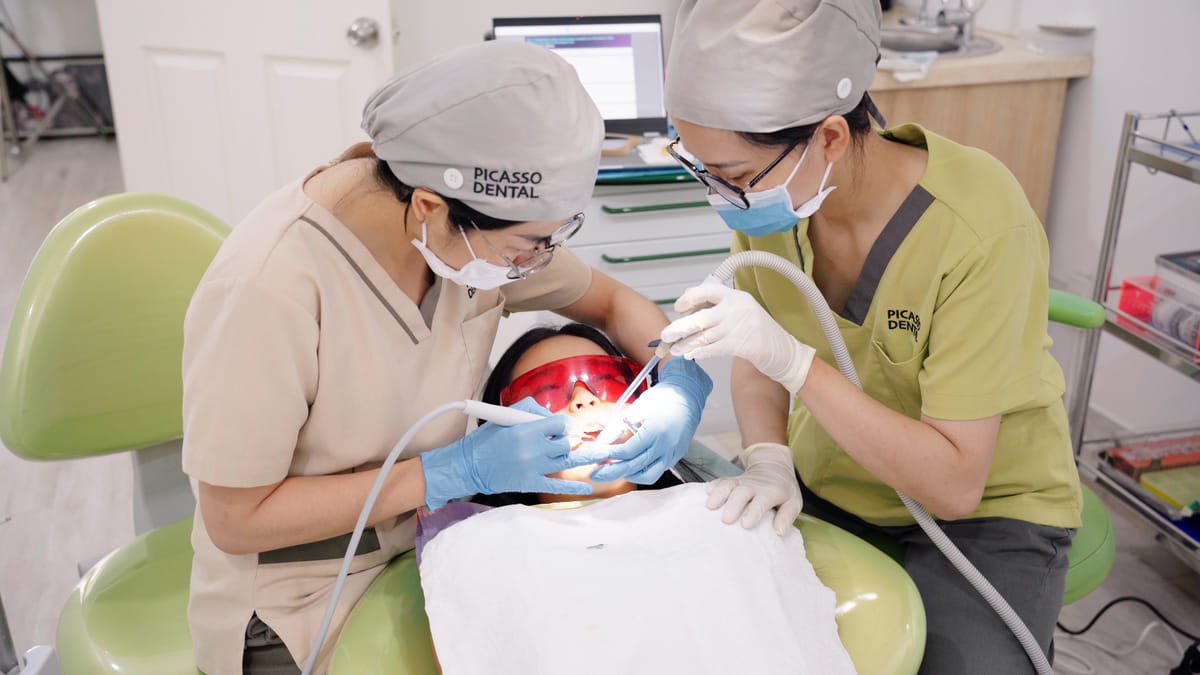
Root canal treatment, also known as endodontic therapy, is one of the most commonly performed dental procedures worldwide. Despite its reputation as a painful experience, modern root canal treatment is no more uncomfortable than getting a filling. The procedure saves millions of teeth each year that would otherwise need to be extracted.
Understanding what happens during each step of a root canal can ease anxiety and help you prepare for treatment. Here is a detailed guide to the six steps involved. New Zealand patients travelling for treatment can also read about root canal treatment in Vietnam, including NZD costs and timelines.
When Is a Root Canal Needed?
A root canal is necessary when the pulp — the soft tissue inside the tooth that contains nerves, blood vessels, and connective tissue — becomes infected or irreversibly inflamed. If you are unsure whether extraction might be a better option, read our comparison of root canal treatment vs tooth extraction. A root canal may be needed due to:
- Deep tooth decay that has reached the pulp
- A cracked or fractured tooth that exposes the pulp
- Repeated dental procedures on the same tooth
- Trauma to the tooth, even without a visible crack
- Advanced gum disease
Common symptoms that may indicate you need a root canal include:
- Severe toothache, especially when chewing or applying pressure
- Prolonged sensitivity to hot or cold that persists after the stimulus is removed
- Darkening or discoloration of the tooth
- Swelling and tenderness in nearby gums
- A persistent pimple-like bump on the gum (fistula)
Step 1: Diagnosis and Treatment Planning
The first step is a thorough examination and diagnosis. Your dentist will:
- Review your symptoms and dental history
- Perform clinical tests including percussion (tapping the tooth), cold testing, and electric pulp testing to assess the vitality of the tooth
- Take dental X-rays, typically a periapical radiograph, to evaluate the shape and length of the root canals, the extent of infection, and the condition of the surrounding bone
- In some cases, a cone beam CT (CBCT) scan may be used for a three-dimensional view of the tooth anatomy
Based on these findings, the dentist determines whether root canal treatment is the appropriate course of action. They will explain the diagnosis, discuss the procedure, outline the expected timeline, and address any questions or concerns.
Step 2: Anesthesia and Access Opening
On the day of treatment, the dentist begins by administering local anesthesia to numb the tooth and the surrounding area. Modern dental anesthetics are highly effective, and the vast majority of patients feel no pain during the procedure.
Once the area is fully numb, the dentist places a rubber dam (dental dam) over the tooth. This thin sheet of latex or non-latex material isolates the tooth from the rest of the mouth, keeping it dry and preventing bacteria from saliva from entering the treatment area. The rubber dam is a critical component of successful root canal treatment.
The dentist then creates a small opening in the crown of the tooth to access the pulp chamber. For back teeth (molars and premolars), this opening is made on the chewing surface. For front teeth, it is made on the back (lingual) surface.
Step 3: Pulp Removal and Canal Shaping
With the pulp chamber accessed, the dentist uses specialized instruments called endodontic files to remove the infected or damaged pulp tissue from the pulp chamber and root canals. These files come in progressively larger sizes and are used to:
- Remove all pulp tissue, bacteria, and debris from inside the tooth
- Shape the canals into a smooth, tapered form that can be effectively filled
- Create space for the canal filling material
During this process, the dentist irrigates the canals with antimicrobial solutions, most commonly sodium hypochlorite (a diluted bleach solution). This irrigation serves three purposes: it disinfects the canals, dissolves remaining pulp tissue, and flushes out debris.
The length of each canal is carefully measured using electronic apex locators and confirmed with X-rays to ensure the entire canal is cleaned to the tip without extending beyond the root.
Modern root canal treatment often uses rotary nickel-titanium instruments, which are more flexible and efficient than traditional hand files. These powered instruments can navigate curved canals more effectively and reduce treatment time.
Step 4: Canal Disinfection
After the canals are shaped, thorough disinfection is essential to eliminate any remaining bacteria. This step is critical to the long-term success of the treatment.
The dentist performs multiple rounds of irrigation with antimicrobial solutions, which may include:
- Sodium hypochlorite — the primary disinfectant, effective at killing bacteria and dissolving organic tissue
- EDTA (ethylenediaminetetraacetic acid) — removes the smear layer (a thin film of debris) from the canal walls, allowing the filling material to bond more effectively
- Chlorhexidine — an additional antimicrobial agent used in some protocols
In cases of severe infection, the dentist may place a medicated dressing (usually calcium hydroxide) inside the canals and seal the tooth with a temporary filling. The patient returns one to two weeks later for the final filling once the medication has had time to disinfect the canals further. This two-visit approach is common for teeth with active abscesses.
Step 5: Canal Filling and Sealing
Once the canals are thoroughly cleaned, shaped, and disinfected, they are filled with a biocompatible material called gutta-percha. Gutta-percha is a rubber-like material derived from the sap of tropical trees. It is the gold standard for root canal filling because it is inert, well-tolerated by the body, and can be compacted to fit the canal tightly.
The dentist places gutta-percha cones into each canal along with a sealing cement. The material is compacted using either lateral condensation (pressing the material against the canal walls) or warm vertical condensation (heating the gutta-percha to make it flow and conform to the canal anatomy).
The goal is to create a three-dimensional seal that fills the entire canal space, preventing bacteria from re-entering and causing reinfection. A post-filling X-ray is taken to confirm that the canals are filled to the appropriate length and density.
The access opening in the crown is then sealed with a temporary or permanent filling material.
Step 6: Final Restoration (Crown Placement)
A root canal-treated tooth is structurally weakened because of the removal of pulp tissue, the access opening, and often the prior decay that necessitated the root canal in the first place. In most cases, a dental crown is recommended to protect the tooth from fracture and restore it to full function.
The crown placement process typically involves:
- The dentist prepares (reshapes) the tooth to accommodate the crown
- An impression or digital scan of the prepared tooth is taken
- The impression is sent to a dental laboratory where the crown is custom-fabricated, usually from porcelain, zirconia, or porcelain-fused-to-metal
- A temporary crown is placed while the permanent crown is being made (typically 5 to 7 working days)
- The permanent crown is fitted, adjusted for proper bite, and cemented in place
For back teeth, a crown after root canal treatment is considered essential. Studies show that root canal-treated molars and premolars without crowns are significantly more likely to fracture. For front teeth with minimal structural loss, a filling alone may sometimes be sufficient.
At Picasso Dental Clinic, we use high-quality porcelain and zirconia crowns fabricated to precise specifications, ensuring that your restored tooth looks natural, feels comfortable, and lasts for many years.
What to Expect After Root Canal Treatment
Immediately after the procedure:
- Numbness will persist for two to four hours after treatment
- Avoid eating until the anesthesia wears off to prevent biting your lip or cheek
- Some mild soreness or tenderness around the treated tooth is normal for a few days
In the days following treatment:
- Over-the-counter pain relievers such as ibuprofen are usually sufficient to manage any discomfort
- Avoid chewing on the treated tooth until the permanent crown is placed
- Take any prescribed antibiotics as directed and complete the full course
- Maintain normal brushing and flossing around the treated area
When to contact your dentist:
- Severe pain that does not respond to pain medication
- Swelling that worsens after the first 48 hours
- The temporary filling or crown becomes loose or falls out
- An allergic reaction to prescribed medication
Frequently Asked Questions
Is a root canal painful?
With modern anesthetics, root canal treatment is typically no more uncomfortable than getting a filling. The procedure itself is painless for the vast majority of patients. Some mild soreness for a few days afterward is normal and easily managed with over-the-counter pain medication.
How long does a root canal take?
A single-rooted tooth (such as a front tooth) typically takes 45 to 60 minutes. Multi-rooted teeth (such as molars) may take 90 minutes to two hours. Complex cases or those requiring multiple visits may take longer.
How long does a root canal-treated tooth last?
With proper restoration (usually a crown) and good oral hygiene, a root canal-treated tooth can last a lifetime. Long-term success rates are generally high, and the placement of a well-fitting crown is one of the most important factors in long-term success.
Is extraction a better option than a root canal?
In most cases, saving the natural tooth with a root canal is preferable to extraction. Natural teeth provide better chewing function, maintain jawbone structure, and prevent adjacent teeth from shifting. Replacing an extracted tooth with an implant or bridge is more complex and expensive than root canal treatment with a crown.
Can a root canal fail?
Root canal failure is uncommon but can occur. Common causes include persistent infection in complex canal anatomy, incomplete sealing, or fracture of the tooth. Failed root canals can often be retreated with a second root canal procedure or an apicoectomy (surgical removal of the infected root tip).
Related Reading
- Root Canal Treatment Service — Full service details, pricing, and what to expect at our Hanoi clinic
- Do You Always Need a Crown After a Root Canal? — When crowns are necessary and when fillings may suffice
- What Are the Side Effects of Root Canal Treatment? — Post-treatment symptoms and how long they last
- Broken File in Root Canal During Treatment — How this complication is managed and what it means for your outcome
- Root Canal Treatment vs Tooth Extraction — A cost and outcome comparison to help you decide
- Pain-Free Dentistry with Local Anesthesia — Why root canals are no longer a painful experience
- 5 Stages of Tooth Decay — How untreated decay leads to the need for a root canal
- Dental Crown Services — Learn about crown materials and placement after root canal
Related Pages
- General Dentistry at Picasso Dental Clinic — Checkups, cleaning, fillings, root canals, and extractions in Hanoi

Medically reviewed by Dr. Trần Thu Thảo, DDS — General & Restorative Dentistry
Hamburg-trained general dentist working across prosthodontics, endodontics and pediatric dentistry.
Last reviewed: October 25, 2026