Key answer
Dental bridges seem like the simpler solution for one missing tooth — but implants win on every long-term metric. These 6 clinical and financial reasons explain why single-tooth implants are almost always the better choice.
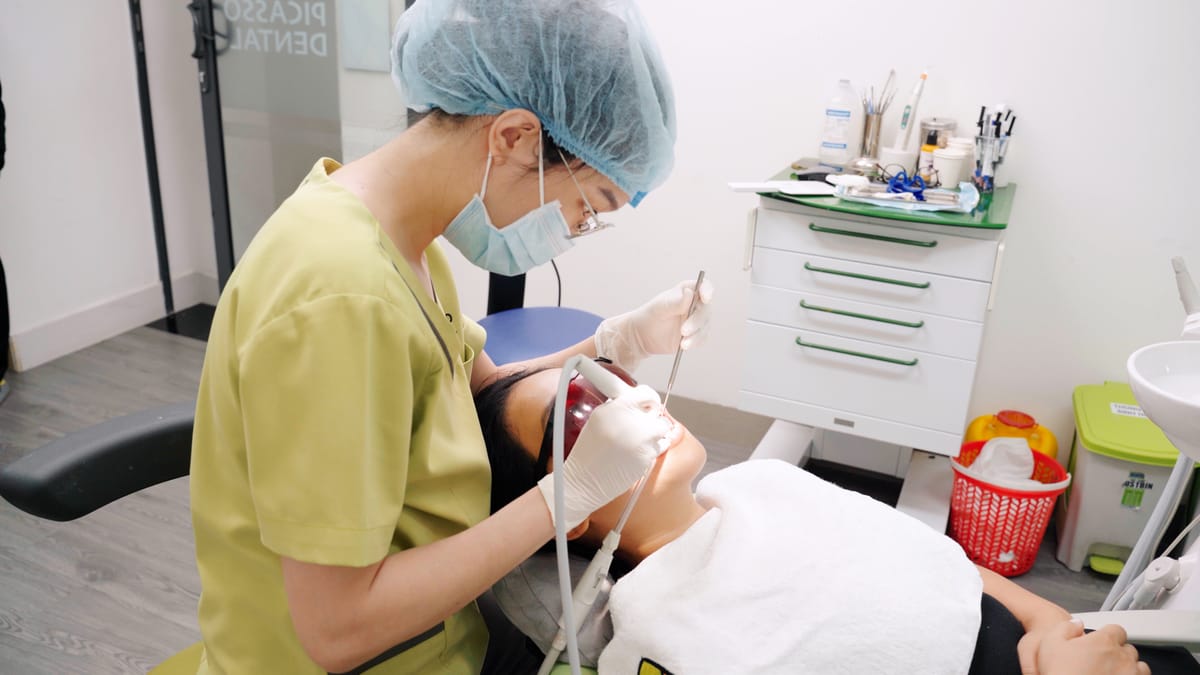
When a patient loses a single tooth, two restorative options dominate the conversation: a dental bridge or a dental implant. A bridge is faster, cheaper upfront, and doesn’t require surgery — so why do implant specialists almost universally recommend the implant for patients who qualify?
Because over 10, 15, and 20 years, the implant wins on every metric that matters: bone health, adjacent tooth preservation, oral hygiene, longevity, and total cost of ownership.
Here are 6 reasons why a single-tooth implant is the superior choice for most patients replacing one missing tooth.
1. Implants Prevent Bone Loss — Bridges Don’t
When a tooth is lost, the jawbone beneath it begins to resorb (shrink) because it no longer receives stimulation from chewing. This bone loss begins within weeks of tooth loss and continues for years.
A dental implant is a titanium post that functions like a tooth root, transferring bite forces into the jawbone with every chew. This stimulation signals the bone to maintain its density and volume — just as natural teeth do.
A dental bridge sits on top of the gum and provides no such stimulation. Bone beneath a bridge continues to resorb, which can eventually affect the fit of the bridge and alter the appearance of the surrounding gum line.
For patients concerned about dental implant candidacy and bone volume, a CBCT scan at the time of consultation determines whether sufficient bone exists for immediate placement.
2. Bridges Require Grinding Down Healthy Adjacent Teeth
A traditional three-unit dental bridge requires the two teeth on either side of the gap to be cut down (prepared) to serve as anchor crowns. These adjacent teeth — often perfectly healthy — must be permanently reshaped to support the bridge structure.
This is irreversible. Those teeth now require crowns for life, increasing their risk of future complications including root canal treatment, fracture, and eventual failure.
An implant replaces only the missing tooth. The adjacent teeth are left completely untouched. For a patient in their 30s or 40s, preserving those healthy adjacent teeth for decades to come is a significant advantage.
See our overview of why bridges are still sometimes appropriate — there are situations where a bridge is genuinely the better choice, but standalone tooth replacement isn’t usually one of them.
3. Implants Last 20+ Years; Bridges Typically 10–15
The average lifespan of a dental bridge is 10–15 years before it requires replacement. The average implant, with proper care, lasts 20–25 years or more — often a lifetime. Some of the first implants placed in the 1960s are still in function today.
Over a 25-year period, a patient may need to replace a bridge twice or more, at significant cost each time. The implant, placed once, continues to function without replacement.
When you factor in the cost of bridge replacements over 20+ years, the total financial picture often favours the implant — even though the upfront investment is higher. Review current dental implant costs in Vietnam to understand the numbers.
4. Implants Are Easier to Clean
A dental bridge is a fixed, connected structure. Flossing beneath the bridge (through the pontic — the false tooth in the middle) requires special floss threaders or interdental brushes. Many patients find this awkward and time-consuming, and some simply don’t do it consistently. Food debris and bacteria accumulating beneath the bridge can lead to decay in the supporting teeth or gum disease.
A single-tooth implant is cleaned exactly like a natural tooth: brush it, floss around it, and done. There are no special tools required and no structural traps for bacteria.
5. Implants Protect the Gum Anatomy
When bone resorbs beneath a bridge pontic, the gum tissue in that area also recedes. Over years, a visible gap or “black triangle” can develop between the pontic and the gum — an aesthetic problem that’s difficult to correct without removing and remaking the bridge.
An implant maintains the gum tissue by supporting the bone beneath it. The emergence profile (the way the crown exits the gum line) can be shaped to mimic a natural tooth, preserving aesthetics for decades.
6. Total Cost Over 20 Years Often Favours the Implant
An implant costs more upfront than a bridge — typically 1.5–2x the initial price. But a bridge may need replacing once or twice over the same period, and if adjacent teeth develop complications (root canals, new crowns), the cost escalates further.
Run the numbers over 20 years and many patients find the implant costs less in total — especially in a market like Vietnam where implant costs are already significantly lower than in Western countries.
When Is a Bridge Still a Better Choice?
Bridges remain appropriate when:
- The patient lacks sufficient bone for an implant and doesn’t wish to undergo grafting
- The adjacent teeth already need crowns for other reasons
- The patient is too young for implants (typically under 18, while jaw growth continues)
- Medical conditions contraindicate implant surgery
Otherwise, for most healthy adults with a single missing tooth, the implant is the better long-term investment. The 9 post-implant care tips we share with all our patients help ensure that investment lasts for decades.
The Bottom Line
Dental bridges are a proven, effective restoration — but they come with trade-offs that compound over time. An implant preserves bone, protects adjacent teeth, simplifies cleaning, and typically outlasts a bridge by years.
If you’re weighing your options for a single missing tooth, speak with an implant specialist at Picasso Dental Clinic. A CBCT scan and consultation will confirm whether an implant is the right choice for your specific anatomy.
For full details on implant treatment at our clinic, visit our Dental Implants Service page.

Reviewed for accuracy by Dr. Emily Nguyen, DDS — Implant & Cosmetic Dentistry
Founder and Principal Dentist of Picasso Dental, with 15+ years in implant surgery, periodontics and full-arch (All-on-4) rehabilitation. Read full bio
Last reviewed: September 27, 2026