Key answer
Temporary crowns are just placeholders — but patients often don't understand why they feel different, look different, and must be treated with care. These 6 differences explain everything.
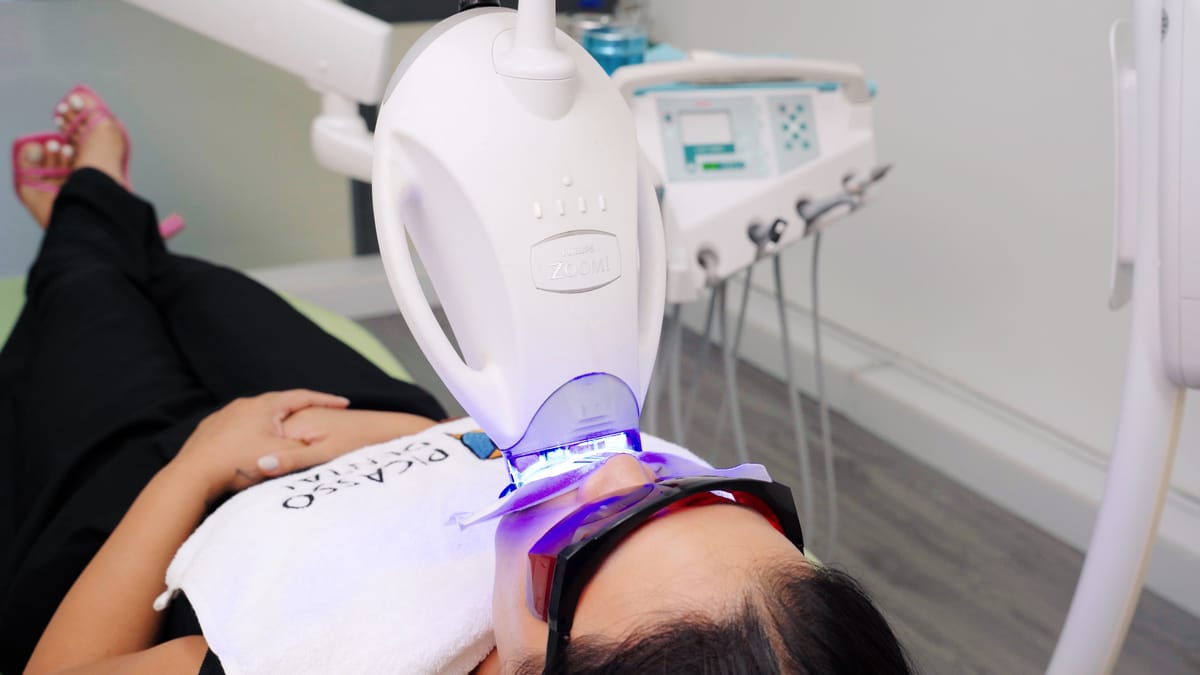
After your tooth is prepared for a crown, you leave the clinic with a temporary crown while your permanent restoration is fabricated at the dental laboratory. For many patients, the temporary crown is confusing: it looks different, feels different, and comes with a list of restrictions. Understanding why prepares you for the 1–2 week wait and helps you protect the tooth during that critical period.
Here are 6 key differences between temporary and permanent dental crowns.
1. Material: Acrylic vs. Ceramic or Zirconia
Temporary crowns are made from acrylic resin or bis-acryl composite — materials that can be fabricated chairside in minutes by the dentist. They are functional placeholders, not precision restorations.
Permanent crowns are fabricated in a dental laboratory from high-grade ceramics: porcelain-fused-to-metal (PFM), full zirconia, or Emax lithium disilicate. These materials require precise milling, firing, and finishing that takes days — not minutes. The result is a restoration calibrated to your exact bite, shape, and colour.
For a full breakdown of crown material options, see 8 differences between zirconia and Emax dental crowns.
2. Fit Precision: Approximate vs. Exact
A temporary crown is shaped at the chairside using a pre-formed mould or by building up acrylic directly on the prepared tooth. It approximates the shape and size of your final crown but is not precisely fitted to your bite or the contours of adjacent teeth.
Your permanent crown is crafted from a precise impression (digital or traditional) of your prepared tooth, the opposing teeth, and your bite relationship. The laboratory technician mills or hand-layers the material to exact specifications — achieving a margin fit that is measured in microns.
This precision matters for long-term function, preventing food trapping, and avoiding secondary decay at the crown margin.
3. Aesthetics: Approximate Colour vs. Matched Shade
Temporary crowns are typically made in a standard tooth-coloured shade that approximates the surrounding teeth but is rarely a precise match. They may look slightly whiter, darker, or more opaque than your natural teeth.
Permanent crowns are shade-matched to your surrounding dentition using a precise shade guide or digital spectrophotometer. The laboratory technician layers the ceramic to replicate the natural gradient of colour and the translucency of enamel. For front teeth, this process can be extremely precise — matching the crown to adjacent teeth is a core part of the laboratory technician’s craft.
4. Durability: Weeks vs. Decades
Temporary crowns are designed to last 1–3 weeks — long enough for the laboratory to fabricate the permanent restoration. They can chip, crack, or come loose during that period, which is why dietary restrictions apply.
Permanent crowns are built to last 15–20+ years with proper care. Why porcelain crowns last so long comes down to the quality of material, the precision of the margin fit, and the strength of the cement used. A well-placed zirconia or Emax crown can last a lifetime with proper maintenance.
5. What You Can and Cannot Eat
With a temporary crown, you should avoid:
- Sticky foods (caramel, toffee, chewing gum) — can pull the crown off
- Hard foods (nuts, ice, crusty bread) — can fracture the acrylic
- Foods that stain (coffee, red wine) — temporary material stains easily
With a permanent crown, normal eating is fully restored. You can eat virtually anything you would eat with a natural tooth. The bonded ceramic is highly stain-resistant and significantly stronger than the temporary material.
6. Why Temporary Crowns Sometimes Fall Off
Temporary crowns are cemented with a soft, removable cement — deliberately. Your dentist needs to be able to remove the temporary without damaging the prepared tooth underneath when the permanent crown arrives. If the temporary were cemented with permanent adhesive, removing it could fracture the prepared tooth.
This means the temporary’s retention is intentionally limited. If it falls off, don’t panic — keep the crown, avoid eating on that side, and call the clinic immediately to have it re-cemented. Leaving the prepared tooth exposed for more than a day or two can cause sensitivity, shifting of adjacent teeth, and bite changes that affect the fit of your permanent crown.
The Permanent Crown Appointment
When your permanent crown arrives, your dentist will:
- Remove the temporary crown and clean off the temporary cement
- Try in the permanent crown to check fit, bite, and aesthetics
- Make any minor adjustments if required
- Permanently cement or screw-retain the crown
This appointment is typically shorter and simpler than the preparation appointment. The result — a precisely fitted, aesthetically matched permanent crown — makes the 1–2 week wait worthwhile.
For guidance on when a crown is the right treatment, see 5 signs you need a dental crown (not just a filling). For information on crown materials available at Serenity Dental Vietnam, visit our dental crown service page.

Reviewed for accuracy by Dr. Emily Nguyen, DDS — Implant & Cosmetic Dentistry
Founder and Principal Dentist of Picasso Dental, with 15+ years in implant surgery, periodontics and full-arch (All-on-4) rehabilitation. Read full bio
Last reviewed: September 27, 2026