
Key answer
Root canal has an undeserved reputation for pain built on outdated experiences. These 5 advances in modern endodontics mean the procedure is now no more uncomfortable than a routine filling.
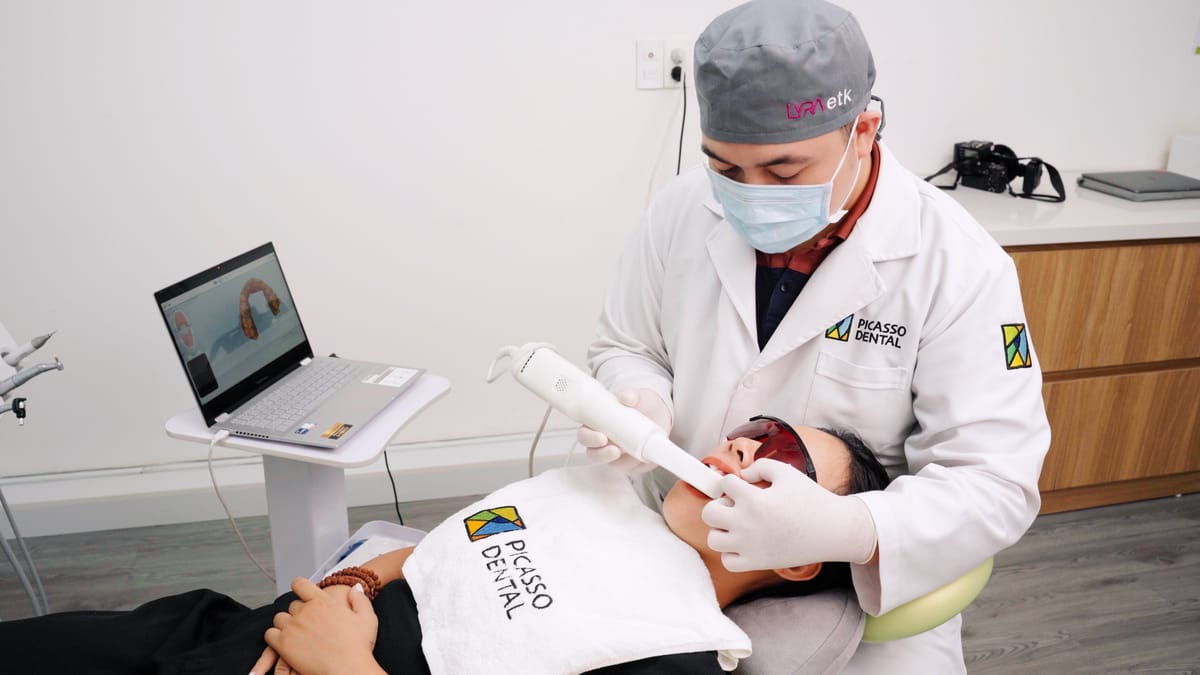
If you mention root canal treatment to someone and they visibly wince, you are encountering one of dentistry’s most persistent myths. The root canal as a byword for extreme dental pain is a reputation built almost entirely on experiences from decades ago, when the procedure was genuinely uncomfortable, the anaesthesia was less effective, and the instruments were cruder.
The reality of root canal treatment in 2026, at a well-equipped international clinic in Hanoi, is entirely different. Most patients report that the procedure is no more uncomfortable than having a filling placed. Many patients are surprised by how little sensation they experience.
Here are five specific advances in modern endodontics that explain why the reputation no longer matches the reality.
1. Superior Local Anaesthesia: Articaine and Computer-Controlled Delivery
The old standard for dental anaesthesia was lidocaine, delivered by a manual syringe with an uncertain delivery rate that could cause a sudden sharp pressure sensation. Modern endodontic practices at international clinics now use articaine, a more potent anaesthetic agent with superior tissue penetration, particularly in the mandible where lidocaine has historically been less reliable.
More significantly, computer-controlled local anaesthetic delivery systems (sometimes marketed as The Wand) regulate the exact pressure and rate of anaesthetic delivery. The discomfort from a dental injection is almost never caused by the needle itself but by the rapid fluid pressure of the anaesthetic entering tissue too quickly. By controlling delivery to a slow, consistent rate, computer-controlled systems eliminate the sharp pressure sensation entirely.
The combination of a more potent agent and controlled delivery means that the initial anaesthesia phase, historically the most dreaded part of the visit, is now genuinely mild. Most patients at clinics using this technology report little more than a brief pressure sensation.
2. Rotary NiTi Instruments: Faster, Less Vibration, More Precise
The root canal procedure involves cleaning and shaping the internal anatomy of the tooth root, removing infected pulp tissue, bacteria, and debris. In earlier decades, this was performed with manually operated stainless steel files, which required a repetitive filing motion, took significantly longer, and transmitted considerable vibration to the surrounding tissue.
Modern endodontic practices use nickel-titanium (NiTi) rotary instruments. These are motor-driven, engineered to follow the natural curvature of even complex root canal systems, and capable of completing the shaping phase of treatment in a fraction of the time required by manual files.
The practical benefits for patients are significant. The reduced procedure time means less time with your mouth open and less time for any residual sensation to build up. The smooth rotary motion transmits far less vibration than manual filing. And the greater precision of NiTi instruments means the dentist is less likely to encounter complications that require additional visits.
3. Electronic Apex Locators: Eliminating Guesswork
One of the historical sources of discomfort in root canal treatment was uncertainty about the exact length of the root canal. Working beyond the root tip into the periapical tissue causes immediate, sharp pain even under anaesthesia. Working too short of the apex risks incomplete cleaning and treatment failure.
Older techniques relied on X-rays and tactile feedback to estimate the working length. These estimates were imprecise, and files periodically extended beyond the apex, causing sharp periapical pain that gave root canals part of their unpleasant reputation.
Electronic apex locators use electrical resistance measurements to precisely determine the position of the root canal terminus. The instrument signals the exact moment the file approaches the apical foramen, allowing the dentist to work to the precise anatomical endpoint without the risk of periapical perforation. The result is a procedure that stays within its intended anatomical boundaries, eliminating the source of much of the historically reported intraoperative pain.
4. Rubber Dam Isolation and Patient Comfort
A rubber dam is a thin sheet of latex or latex-free material stretched across a frame and placed over the tooth being treated. It isolates the treatment tooth from the rest of the mouth, keeping the area dry, preventing contamination from saliva and oral bacteria, and significantly improving visibility and working conditions for the dentist.
From the patient perspective, rubber dam placement has a direct bearing on comfort. Without a rubber dam, the patient must manage the irrigation fluids used to clean the root canal, which can be unpleasant in taste and cause discomfort if they reach the back of the throat. The rubber dam eliminates this entirely.
A rubber dam also reduces the duration of treatment, because the dentist works in a consistently clean and dry field rather than repeatedly pausing to manage contamination. It is the internationally recognized standard of care for root canal treatment, and its routine use at a clinic is a reliable indicator of clinical quality.
If you are evaluating clinics in Hanoi for root canal treatment, asking whether they routinely use rubber dam is a meaningful quality screening question. See also our post on 7 signs you need a root canal to understand when this treatment becomes necessary.
5. Sedation Options for Anxious Patients
Even with all the above advances, some patients experience significant anxiety about root canal treatment that is not proportionate to the actual procedural discomfort. Dental anxiety is a genuine clinical entity, and modern clinics recognize that addressing the psychological dimension of the experience is as important as managing the physical one.
International clinics in Hanoi now offer sedation options ranging from nitrous oxide (laughing gas) inhalation sedation, which provides mild relaxation while keeping the patient conscious and cooperative, to oral sedation, where a mild benzodiazepine is taken before the appointment to produce a state of calm, to IV sedation for patients with severe anxiety requiring deeper relaxation.
For patients who have avoided necessary root canal treatment for years because of fear, sedation dentistry offers a path through that barrier. The procedure can be completed comfortably in a state of relaxed awareness, and patients often have limited recall of the specific details of the treatment afterward.
See our guide to 7 things to know about sedation dentistry in Vietnam for a full overview of what is available and which option suits which type of patient.
Why the Old Reputation Stuck
Understanding why root canal treatment still carries its painful reputation despite these advances requires a brief look at the history.
In earlier decades, dental anaesthesia for posterior teeth was less predictable. Lidocaine delivered manually could wear off partway through a lengthy procedure. Manual stainless steel files were time-consuming and uncomfortable. Without apex locators, periapical perforations were more common. Without rubber dam, irrigation fluids caused discomfort.
Perhaps most significantly, patients who needed root canals in earlier eras often arrived in severe pain from an irreversibly inflamed or infected pulp. Anaesthetizing an acutely infected tooth is genuinely harder because tissue acidosis from infection reduces the effectiveness of local anaesthetic agents. The pain some patients experienced was partly the pain of trying to treat a tooth that was in an acute inflammatory state.
Modern clinical practice addresses this by timing treatment appropriately, sometimes prescribing antibiotics before treatment to reduce acute infection, and using anaesthetic techniques specifically designed to overcome tissue acidosis. The comparison between a root canal performed today at a well-equipped Hanoi clinic and one performed 30 years ago is essentially a comparison between two different procedures.
Root Canal vs. Extraction: The Case for Saving the Tooth
Some patients, having heard that root canals are painful, choose extraction instead. This is almost always a clinical error. A natural tooth, even one that has had root canal treatment, functions better than any prosthetic replacement. It maintains bone density in the surrounding jaw, has natural proprioception that helps protect it during chewing, and has a root morphology that no implant perfectly replicates.
An extraction, followed by a dental implant (the best prosthetic replacement available), costs substantially more than root canal treatment followed by a crown. And an extraction followed by nothing, which many patients choose to avoid the cost of an implant, leads to drifting of adjacent teeth, bone loss at the extraction site, and often more complex problems down the line.
See our comparison of root canal treatment vs. tooth extraction for a full analysis of when each option is clinically appropriate. In the vast majority of cases where root canal treatment is recommended, it is the right choice, and it is no longer the experience it once was.

Reviewed for accuracy by Dr. Emily Nguyen, DDS — Implant & Cosmetic Dentistry
Founder and Principal Dentist of Picasso Dental, with 15+ years in implant surgery, periodontics and full-arch (All-on-4) rehabilitation. Read full bio
Last reviewed: September 27, 2026