Key answer
Planning dental veneers in Vietnam? Dr. Emily Nguyen shares the 10 essential questions every patient should ask before committing to porcelain or composite veneers abroad.
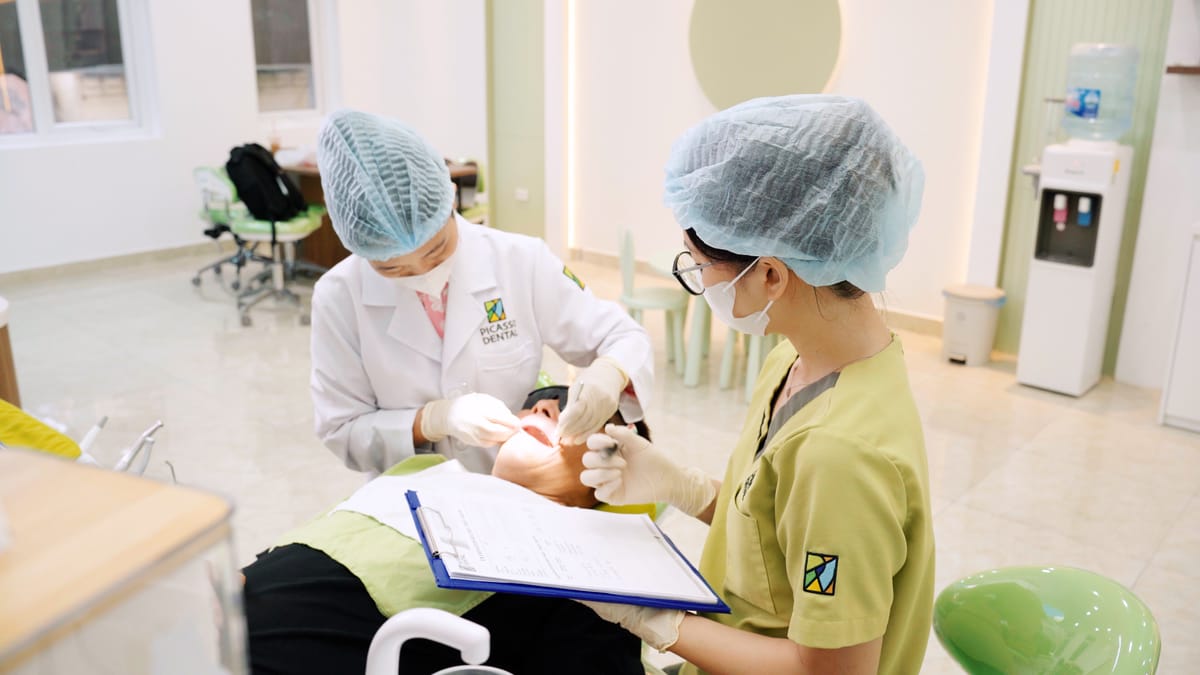
Getting porcelain veneers in Vietnam can be one of the best cosmetic dental decisions you make — or one you regret for years. The difference between those two outcomes often comes down to how thoroughly you prepared before sitting in the chair.
Vietnam has a well-deserved reputation for affordable, high-quality cosmetic dentistry, and porcelain veneers are among the most sought-after treatments for international patients visiting Hanoi and Ho Chi Minh City. Australian patients can read how the porcelain veneers in Vietnam process and pricing work before raising these questions with a clinic. But “affordable” and “high-quality” do not automatically come together. Some clinics optimize for throughput over precision; some use inferior materials; some lack the ceramist talent required to produce natural-looking, long-lasting veneers.
Asking the right questions before committing to treatment is the most effective form of due diligence available to you. The questions below are not meant to be adversarial — a confident, experienced dental team will welcome them and answer without hesitation. Vague or dismissive answers, on the other hand, tell you something important.
I have organized these ten questions in the order they would naturally arise across a consultation, from material selection to long-term maintenance.
Question 1: What Veneer Material Do You Recommend and Why?
This is your opening question, and the answer reveals a great deal about the clinic’s clinical philosophy and transparency.
The primary veneer materials available in 2026 are porcelain (feldspathic or pressed ceramic), lithium disilicate (e-max), and composite resin. Each has distinct characteristics:
Feldspathic porcelain is the most translucent and aesthetically refined material available, capable of mimicking the depth and light transmission of natural enamel with extraordinary accuracy. It is hand-layered by a ceramist and requires significant skill to fabricate and bond properly. It is also the most fragile of the options and requires meticulous bonding technique. This is the gold standard for elite aesthetic dentistry.
Lithium disilicate (e-max) is a pressed glass ceramic that is significantly stronger than feldspathic porcelain while still delivering excellent aesthetics. It is the most commonly recommended veneer material at premium clinics and strikes the best balance between aesthetics, strength, and predictability of bonding. Most patients receive e-max veneers.
Composite resin veneers can be applied directly (chairside, bonded to the tooth in a single visit) or fabricated indirectly (made in a laboratory and bonded at a second appointment). They are less expensive than porcelain alternatives and reversible if applied without tooth preparation, but they stain more easily, are less durable, and do not replicate the optical properties of porcelain. Composite is appropriate as a trial or budget option but rarely the first choice for a definitive cosmetic result.
A dentist who recommends e-max or feldspathic porcelain and can explain the rationale for their recommendation based on your specific tooth anatomy, existing color, and goals is demonstrating clinical competence. A dentist who says “we use whichever you want” without guidance is asking you to make a decision you are not trained to make.
At Picasso Dental, we use IPS e-max (Ivoclar Vivadent) as our primary veneer material, with feldspathic layering for cases where maximum aesthetic refinement is the priority.
Question 2: How Many Veneers Do I Actually Need?
This question protects you from both under-treatment and over-treatment.
Under-treatment happens when too few veneers are placed, resulting in visible color or shape discrepancies between veneered and un-veneered teeth. The most common example: veneering the six upper front teeth (canine to canine) when the upper premolars are visible when the patient smiles broadly. The result is an obvious line where the veneers end.
Over-treatment happens when a dentist recommends more veneers than necessary — veneering teeth that are structurally and aesthetically adequate — increasing cost and the extent of tooth preparation.
The correct number of veneers depends on your smile arc (how many teeth show when you smile naturally), the color of your adjacent teeth, and whether the goal is color change, shape change, or both. Most patients require 6–10 veneers for a complete upper arch treatment. Some require 12.
Ask your dentist to photograph your smile and show you, tooth by tooth, which teeth are visible when you smile naturally and which are not. This clinical analysis — combined with digital smile design software — should drive the recommendation, not a round number.
Question 3: Will You Do a Trial or Wax-Up Before Permanently Bonding?
This is one of the most important questions you can ask, and the answer should always be yes.
A diagnostic wax-up is a three-dimensional model created by the dental laboratory that shows the proposed final shape of your veneers on study models of your teeth. Reviewing the wax-up with your dentist allows you to evaluate the proposed length, width, and arch shape before any tooth preparation occurs.
A mock-up (also called a trial smile) takes this further by temporarily bonding composite material directly onto your teeth — or placing unprepared trial veneers — so you can see and feel the proposed result in your actual mouth. You can take photos, show friends and family, and evaluate your smile in natural light before any irreversible changes are made.
Skipping this step is a significant clinical shortcut. Without a trial, you are approving a final result you have never seen. Porcelain veneers, once bonded, are essentially permanent — removing them destroys the porcelain and requires either replacement veneers or crowns.
At Picasso Dental, diagnostic wax-ups and mock-ups are a standard part of the veneer consultation process, not an optional add-on. Do not proceed with any clinic that cannot or will not provide this service.
Question 4: What Is the Shade Selection Process?
The shade selection process for veneers is more complex than choosing a number from a shade guide. Natural teeth have multiple color zones — the incisal edge (often more translucent and cooler), the body of the tooth (the primary color zone), and the cervical area near the gum (often slightly darker and more opaque). Replicating this internal complexity is what separates convincing veneers from obviously artificial ones.
Ask your dentist:
- Do you use a spectrophotometer (digital shade matching device) or visual shade matching, and which teeth are used as the reference for shade selection?
- Will you select the shade under natural light, not just operatory lighting? (Lighting conditions significantly affect how a shade appears.)
- Will the ceramist who fabricates the veneers be involved in shade selection, or will they work solely from a written prescription?
- Can you show me previous cases in similar base shades so I understand what result is achievable?
The most common shade-related disappointments occur when patients request very white veneers (B1 or whiter on the VITA scale) without understanding what this means in the context of their skin tone, eye color, and the surrounding teeth. An experienced dentist will guide you toward a shade that looks natural and age-appropriate, not simply the whitest option available.
Question 5: Will I Need Any Tooth Preparation (Reduction)?
Veneers sit on the front surface of the tooth. Unless your natural teeth have adequate space to accommodate the thickness of the veneer without making the final result protrude, some tooth preparation is required. This means removing a thin layer of enamel — typically 0.3–0.7mm — from the front surface of the tooth before the veneer is bonded.
This preparation is irreversible. Once enamel is removed, the tooth will always require coverage — either with the veneer or, if the veneer fails, with a replacement veneer or crown. Understanding this is essential before consenting to treatment.
Minimal-prep and no-prep veneers are a legitimate option for patients whose teeth are slightly smaller than ideal, set back in the arch, or where a modest increase in size is acceptable. These veneers can be bonded directly without enamel removal. However, they are not appropriate for every case — if your teeth are already correctly sized, adding a no-prep veneer will make them appear bulky and unnatural.
Ask your dentist to be specific about how much enamel will be removed from each tooth and why. If the recommendation is for preparation and you are hesitant, ask whether a no-prep trial with temporary veneers can be used to evaluate the result first.
Question 6: What Is the Warranty or Guarantee Policy?
A quality dental clinic stands behind its work. Ask specifically:
- What warranty does the clinic offer on veneers for fracture, debonding, or color change?
- What are the conditions that void the warranty (e.g., trauma, bruxism without a night guard, use of abrasive toothpaste)?
- What is the process for making a warranty claim — how quickly can I be seen, and is there a fee for the assessment?
- If I am an international patient and a veneer fails after I return home, what is the protocol?
Picasso Dental offers a structured guarantee program that covers veneers under specified conditions. The warranty period and coverage terms are reviewed with each patient before treatment commences, and the terms are provided in writing.
Any clinic that cannot articulate a clear warranty policy is asking you to accept all the risk. This is not an acceptable position for an irreversible cosmetic procedure.
Question 7: What Happens If a Veneer Chips or Debonds?
Even well-made, properly bonded veneers can fail under certain circumstances — trauma, biting on something hard, or over time if occlusal forces are not managed appropriately. How a clinic handles these situations matters.
Ask:
- Can a chipped veneer be repaired, or does it need full replacement?
- How quickly can I be seen if a veneer debonds?
- If I am traveling internationally, is there a global network or referral system for emergency repairs?
- What is the cost of a replacement veneer if the failure occurs outside the warranty period?
Minor chips at the incisal edge of a porcelain veneer can often be polished smooth by a skilled dentist. Larger fractures typically require replacement. Debonded veneers — those that come off intact — can sometimes be re-bonded if the porcelain and the tooth surface are in good condition, though re-bonding success is lower than original bonding.
The answer to this question also reveals whether the clinic has a clear aftercare protocol for international patients. A clinic that dismisses this question — or implies that post-treatment problems are simply not their concern — is not a clinic you want to trust with irreversible cosmetic dentistry.
Question 8: What Are the Alternatives If Veneers Aren’t Right for Me?
A dentist who recommends only veneers without discussing alternatives may not be prioritizing your best interest. Depending on your specific situation, other options may deliver equal or better results with less irreversible tooth preparation.
Dental bonding (composite resin applied directly to the tooth) can address minor chips, gaps, and color irregularities without enamel removal and at lower cost. It is less durable than porcelain but fully reversible.
Teeth whitening can address generalized discoloration without any tooth preparation. For patients whose primary concern is shade rather than shape, professional bleaching (in-office or take-home) should always be explored first.
Orthodontics or Invisalign can address spacing and alignment issues without modifying the tooth surface at all. For patients with crowded or gapped teeth, aligning the teeth first and then evaluating whether veneers are still needed is a more conservative sequence.
Dental crowns are appropriate when the tooth has structural compromise in addition to cosmetic needs. A crown provides full coverage; a veneer provides only front-surface coverage.
A dentist who presents veneers as the only solution without exploring these alternatives — especially for a patient with otherwise healthy, well-aligned teeth — should prompt further questions.
Question 9: How Do I Maintain My Veneers Long-Term?
Porcelain veneers are stain-resistant (porcelain does not absorb pigment the way tooth enamel does), but they are not indestructible. Understanding the maintenance requirements before committing to treatment prevents unpleasant surprises.
Key maintenance points for veneer longevity:
Toothpaste selection — Avoid abrasive whitening toothpastes. They do not whiten porcelain (porcelain cannot be bleached), but they can scratch the surface glaze over time, reducing the shine and increasing staining at micro-level scratches. Use a non-abrasive fluoride toothpaste.
Flossing technique — Floss gently at the veneer margins to avoid lifting the bonded edge. Water flossers are an excellent supplement.
Night guard — If you have any history of bruxism (grinding or clenching during sleep), a custom night guard is essential. Porcelain, though hard, can fracture under the forces generated by bruxism. Your dentist should assess for bruxism before treatment and prescribe a night guard if indicated.
Dietary habits — Hard foods (ice, hard candy, nut shells) should not be bitten with the veneered teeth. Veneers are strong enough for normal chewing but not designed for extreme biting forces on hard objects.
Professional cleaning — Attend professional cleaning appointments every 6 months. Ask your hygienist to use polishing instruments and pastes appropriate for porcelain restorations — some prophy pastes are too abrasive.
Whitening — If you want to whiten your natural teeth in the future, do so before veneer placement. The shade of your veneers is fixed at fabrication; your natural teeth can be whitened, but the veneers cannot. Whitening after veneer placement can create a mismatch between the veneer shade and the lightened adjacent teeth.
Question 10: Can I See Before-and-After Photos of Similar Cases You’ve Done?
This is the final and most practical question. A clinic that produces excellent veneer outcomes will have a library of documented cases — ideally cases with a similar starting condition to yours. Before-and-after photos are the most direct evidence of the quality you can expect.
Ask to see:
- Cases with a similar number of veneers to your planned treatment
- Cases starting from a similar base shade (if you are dark-staining or tetracycline-stained, ask specifically for cases in this category)
- Cases involving patients with similar tooth shape or bite to yours
- Photos taken in consistent, natural lighting — not just studio-lit, heavily filtered social media images
If possible, ask whether any patients have consented to be references and would be willing to speak with prospective patients. This level of transparency is rare but highly reassuring when offered.
At Picasso Dental Clinic, we maintain a comprehensive case library and welcome prospective patients to review documented outcomes. Our 4.9/5 rating across 3,921 verified reviews reflects consistent results — but the most meaningful evidence is case-specific, not aggregate.
Frequently Asked Questions
Q: How much do porcelain veneers cost in Vietnam? A: The cost depends on the material (e-max vs. feldspathic porcelain), the number of veneers, and case complexity, but treatment in Vietnam typically costs a fraction of the equivalent in Australia or North America. Full current pricing is at picassodental.vn/dental-costs.
Q: How long do porcelain veneers last? A: E-max and feldspathic porcelain veneers typically last 10–20 years with proper care. The primary causes of premature failure are trauma, bruxism without a night guard, and improper bonding technique. Composite veneers typically require replacement or significant repair within 3–5 years.
Q: Are veneers reversible? A: Porcelain veneers that require tooth preparation are not reversible — the enamel removed cannot be replaced. No-prep veneers can be removed without leaving the tooth in a compromised state. This is one reason why the wax-up and trial smile process is so important: it lets you evaluate the result before any irreversible preparation occurs.
Q: How long does the veneer process take at Picasso Dental? A: The full process typically requires 2–3 appointments over 5–10 days. Appointment 1: consultation, photographs, shade assessment, diagnostic impressions, and wax-up review. Appointment 2: tooth preparation, digital impressions, temporary veneer placement. Appointment 3: fitting and bonding of permanent veneers. This timeline is compatible with a typical dental tourism visit to Vietnam.
Q: Can I get veneers if I have crowded or crooked teeth? A: Minor crowding can be addressed with veneers — building out the labial surface to create a straighter appearance. Significant crowding is better addressed with orthodontics before veneer placement. Ask your dentist to evaluate whether orthodontic treatment first would deliver a better outcome.
Related Reading
- Porcelain Veneers at Picasso Dental
- Our Guarantee Program
- Dental Crown vs Veneer — Which Is Right for You?
- Dental Costs in Vietnam
- Full Mouth Rehabilitation Options in Vietnam
- Dental Work in Vietnam — Complete Guide
Related Articles
Can You Start Invisalign in Vietnam and Continue Treatment at Home?
8 Reasons Adults Are Choosing Invisalign Over Metal Braces in 2026
5 Key Differences Between Composite and Porcelain Veneers in Vietnam
6 Myths About Dental Veneers That Aren’t True — common misconceptions about veneers, debunked
7 Reasons Porcelain Veneers at Picasso Dental Cost a Fraction of US Prices — Why veneer costs in Vietnam are dramatically lower

Medically reviewed by Dr. Nguyễn Thị Thu Hường, DDS — Cosmetic Dentistry
Cosmetic and general dentist with 7 years' experience in veneers and table-tops, trained under Dr. Juergen Walmann; Invisalign-certified.
Last reviewed: October 25, 2026