Key answer
Dental implants restore the ability to eat foods that dentures and missing teeth make impossible. Here are 10 foods patients celebrate being able to eat again.
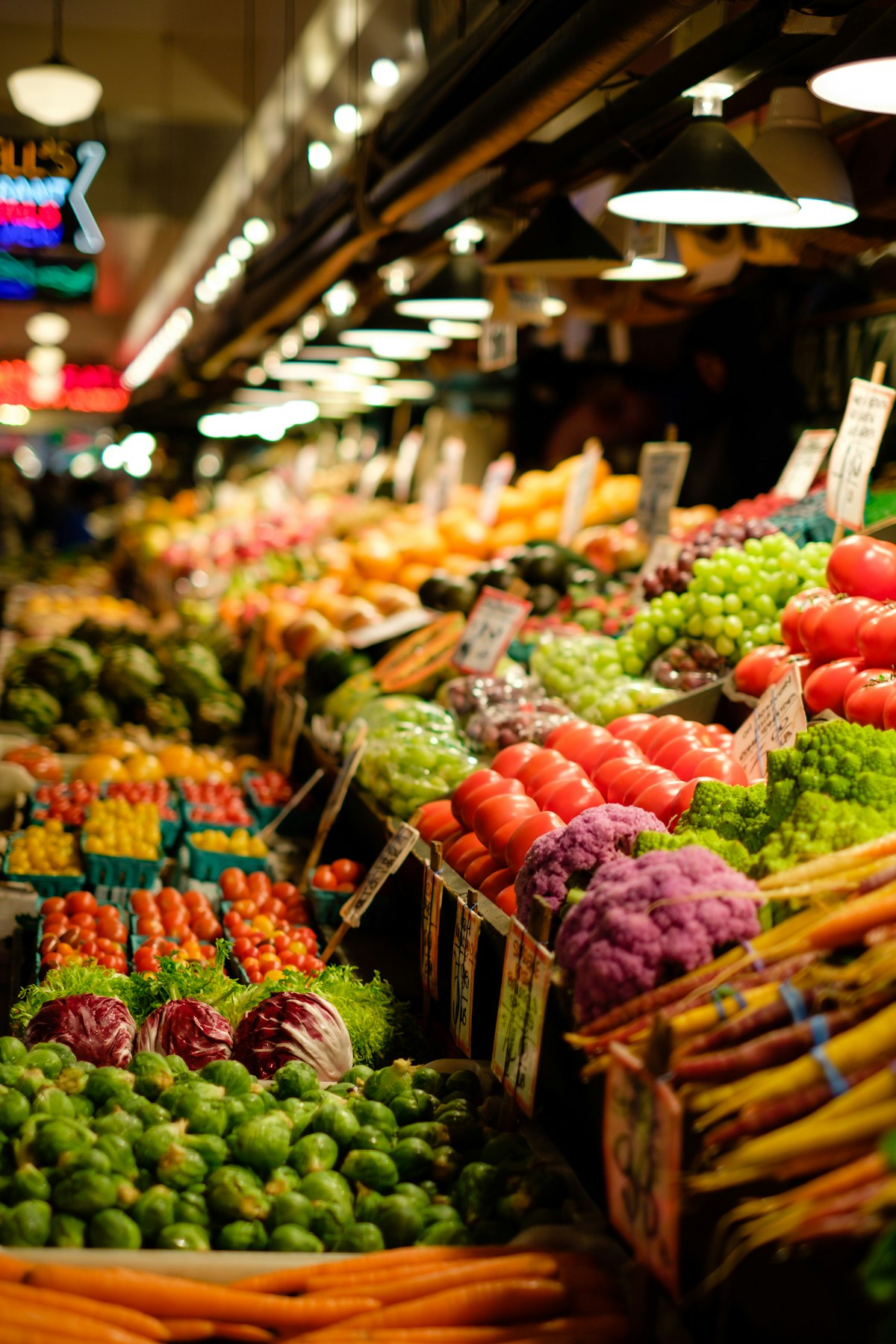
Ask someone who has just completed their implant treatment what the best part is, and the answer is rarely what you might expect. It is seldom the smile in the mirror or the comments from friends. More often, it is something as immediate and pleasurable as biting into a crispy baguette, eating corn on the cob at a barbecue, or simply not having to think about what is on the menu before ordering.
The relationship between tooth loss and dietary restriction is profound — and often under-discussed. Patients with dentures or multiple missing teeth typically restrict their diet more than they realise, gradually editing out foods that are hard, fibrous, chewy, or require significant biting force. This is not a conscious decision but an accumulation of small avoidances over years.
At Serenity International Dental Clinic, we treat patients at our Hanoi, Da Nang, and Ho Chi Minh City clinics who have been managing this restricted diet for years — sometimes decades. When they complete their implant treatment and experience their first meals unrestricted, the reaction is consistently one of genuine joy.
This post is a celebration of that freedom. If you want to understand the full clinical picture or compare costs across our three Vietnam locations, our dental costs guide and dental work in Vietnam overview are good starting points.
1. Corn on the Cob
This is the food mentioned most frequently by our implant patients, and it perfectly captures what implants restore.
Corn on the cob requires significant front-tooth biting force and the ability to grip the food with confidence. For denture wearers, this is often one of the first foods abandoned — the biting action destabilises the prosthesis, and the corn fibres get under it. With missing teeth, even attempting it is impossible.
With dental implants, biting corn directly off the cob is effortless. The implant roots grip in the jawbone just like natural teeth, providing the biting force and stability required. Many patients tell us they ate corn on the cob on their first night back home after treatment.
2. Crusty Bread and Baguettes
Vietnam has a remarkable bread culture — the bánh mì baguette is one of the country’s culinary gifts to the world, and enjoying one as it was meant to be eaten (with a proper, resounding crunch) requires front teeth that can bite with confidence.
For patients with compromised dentition, crusty bread is often replaced with soft rolls, sliced sandwich bread, or simply avoided. After implant treatment at Serenity International Dental Clinic, the satisfying bite into a crispy crust is fully restored. The baguette — or any crusty bread — becomes part of the menu again without a second thought.
3. Steak and Whole Cuts of Meat
The dietary data on patients with missing teeth is clear: they eat significantly less protein than patients with full dentition. This is largely because the fibrous, chewy quality of good steak and whole cuts of meat requires consistent, sustained chewing force that dentures cannot provide and that missing teeth make impossible.
Dental implants restore 80–100% of natural biting force (compared to 20–30% for conventional dentures). This means steak — properly grilled, with that satisfying resistance — is back on the menu. Patients frequently mention being able to eat at a steakhouse for the first time in years, or simply being able to eat the same meal as the rest of the family without silently hoping the meat is tender enough.
For more on this quality-of-life dimension, see our post on 8 ways dental implants improve quality of life beyond chewing.
4. Raw Apples and Hard Fruit
The simple act of biting into a raw apple — with the audible crack of the skin and the juicy resistance of the flesh — is one of those everyday pleasures that dental patients with missing front teeth or unstable dentures lose completely.
Hard fruit requires confident, decisive biting with the incisors. With implants replacing front teeth, or All-on-4 restoring the full arch, biting into an apple or a firm pear is not just possible — it is exactly the kind of action these teeth are designed for.
This also has a meaningful nutritional dimension: raw fruit is an important source of fibre, vitamins, and antioxidants, and its loss from the diet — replaced with soft alternatives like applesauce — reduces overall dietary quality over time.
5. Nuts and Seeds
Nuts are nutritionally dense — a great source of protein, healthy fats, and micronutrients — but they are hard, and eating them requires a solid bite. Peanuts, almonds, cashews, and walnuts are among the foods that denture wearers routinely eliminate from their diet. Softer nut butters may substitute, but they do not deliver the same experience or the same satisfying crunch.
Dental implants, anchored in bone, handle the force required to chew nuts without any instability or discomfort. After implant treatment, a handful of almonds or a small bowl of mixed nuts is no longer off-limits. Patients often report incorporating nuts back into their daily diet within weeks of receiving their final restorations.
6. Crunchy Salads With Croutons
Salads are often thought of as soft, safe food for people with dental problems — and many are. But a proper crunchy salad with toasted croutons, raw celery, cucumber, and firm lettuce is actually a demanding chewing experience. The croutons in particular require solid biting force.
After implant treatment, the entire salad — crunchy croutons, crisp raw vegetables, all of it — is approachable again. This is one of the more satisfying food freedoms because it sits at the intersection of nutrition and pleasure. A good salad, eaten without mental reservations about what is in it, is a small but meaningful quality-of-life win.
7. Caramel and Chewy Sweets — in Moderation
Chewy and sticky foods are explicitly prohibited for denture wearers — they pull the prosthesis off the gum, are essentially impossible to eat cleanly, and can dislodge the adhesive entirely. Even patients with partial dentures or multiple missing teeth find that chewy foods create an unmanageable situation.
Dental implants are anchored in bone and do not dislodge. This means that enjoying a piece of caramel, a sticky toffee, or a chewy sweet is no longer the ordeal it once was. We note the “in moderation” qualifier in the headline: sticky sweets are not great for gum health around any teeth, implants included, and should be eaten sparingly and followed by rinsing or brushing. But the occasional treat is entirely manageable — and that is the point.
8. Whole Prawns and Shellfish
Prawns, lobster, and other shellfish are among the great pleasures of dining in Vietnam — available fresh, prepared beautifully, and often eaten whole with the shell cracked by teeth. For patients with missing teeth or unstable dentures, this manner of eating — gripping the shell, applying controlled force, cracking it open — is simply not available.
After implant treatment, seafood in all its forms is accessible again. Whole prawns, crab claws, lobster tail — foods that require biting and cracking — can be eaten in the normal way. For patients who love Vietnamese cuisine and seafood culture, this is one of the most culturally and gastronomically satisfying aspects of implant treatment.
9. Crispy Pizza Bases
A good Neapolitan pizza, a New York-style slice, or a thin-base Italian pizza all share one quality: a satisfying, slightly resistant, crunchy base that bends but does not buckle. Eating pizza properly involves biting, tearing, and chewing — movements that require front-tooth grip and consistent molar force.
With dentures, pizza is typically possible only when the crust is soft. Crispy bases present real problems — they bend suddenly, destabilise the prosthesis, and require a kind of controlled tearing that denture wearers cannot easily manage. After implant treatment, pizza — crispy, crunchy, any style — is fully back on the table.
10. Any Food You Want — Without Thinking About Your Teeth
This last item is the most important, and it is the one patients most frequently describe as the true transformation.
Dental problems create a constant, low-grade background noise in daily life: every meal involves a mental scan of the menu, an assessment of what is safe to eat, and a quiet management of the experience — cutting food into smaller pieces, avoiding certain textures, eating slowly, positioning chewing to the side with better teeth. This is such a normalised adaptation that many patients do not even recognise how much cognitive and emotional energy they invest in it.
After successful implant treatment at Serenity International Dental Clinic, this background noise disappears. Patients report being able to eat at a restaurant and simply order what they want. The food arrives, they eat it, and they never think about their teeth once.
That absence — the simple freedom from dental preoccupation during a meal — is what implant patients mean when they say the treatment is life-changing.
When Can You Eat Normally After Implants?
It is important to note that the full dietary freedom described above comes after the healing and restoration phase is complete, not immediately after implant surgery. In the first two to four weeks after surgery, a soft diet is required while the surgical site heals. During the osseointegration phase (three to four months), patients gradually reintroduce firmer foods.
Once the final crown or prosthesis is placed and the implant is fully integrated, there are no dietary restrictions. Our team at Serenity International Dental Clinic guides patients through each stage of the recovery diet so you always know what is appropriate at each point.
To learn more about the full implant process, read our dental implant procedure guide or our post on 7 signs you are a good candidate for dental implants. For pricing at our three Vietnam locations, visit our dental costs page. To compare implants with other tooth replacement options, see our post on tooth replacement options: implants, bridges, and dentures.
See also: 9 Post-Implant Care Tips From Serenity International Dental Clinic Specialists — What to do immediately after surgery to protect your implants during the healing phase. Dental Implant Maintenance: Why Implant Teeth Must Be Cleaned Differently — Long-term oral hygiene guidance for implant patients. Complete Dental Implant Procedure Guide Vietnam — A full overview of what to expect from the entire treatment process. High-Quality Dental Implants in Vietnam — What sets premium implant clinics apart and why it matters for your outcome.
If you are active and want to know when normal training fits back into your recovery, this guide to recovery time for common dental procedures sets realistic expectations alongside the dietary timeline above.

Medically reviewed by Dr. Emily Nguyen, DDS — Implant & Cosmetic Dentistry
Founder and Principal Dentist of Picasso Dental, with 15+ years in implant surgery, periodontics and full-arch (All-on-4) rehabilitation. Read full bio
Last reviewed: September 27, 2026